
Reviewed · PASTEL DE NATA WORKSHOPS
Pastel de Nata Masterclass at a Real Bakery in Downtown Lisbon
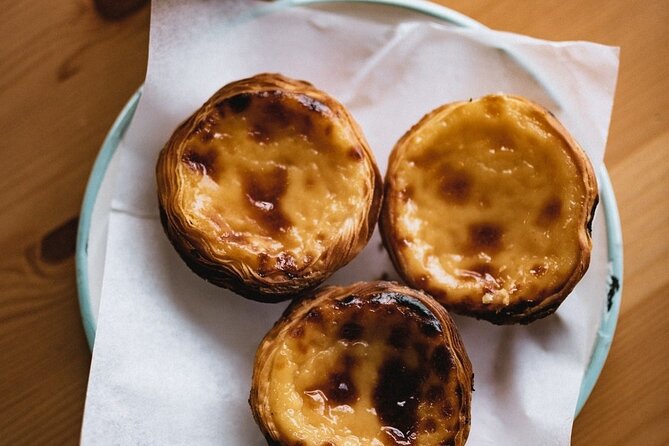
Lisbon’s famous custard tart is easy to eat and surprisingly tricky to make. This two-hour class takes you inside a real working bakery, where you learn to laminate puff pastry, shape the shells, cook the custard, and bake your own three pastéis de nata. The hands-on work, rather than a pastry demonstration from the sidelines, is the main draw.
I like the professional bakery setting and the fact that you make the pastry from scratch, not from ready-made dough. I also like the friendly, beginner-ready teaching style, with instructors such as Sergio Garcia, Silvia Sousa, Adriano Cardoso, and award-winning chef João Batalha leading classes. The main consideration is price: at $84.65, this costs more than a simple pastry tasting, and the class may feel less worthwhile if you only want to eat a tart.
Key points to know before booking

- You make all three parts: puff pastry, custard filling, and the shaped tart shells.
- The class lasts about two hours: It ends with warm pastéis de nata and water plus your choice of coffee, tea, or a soft drink.
- It suits complete beginners: No cooking experience is required, and children age eight and up may join with an adult.
- The group can reach 12 people: That keeps the class social, though a small group may allow more time for questions.
- You leave with useful extras: A recipe is sent by email, and you receive a certificate of achievement.
- The location is central: Meet at R. de Santa Justa 87, only steps from the Santa Justa elevator.
Why making pastry from scratch matters
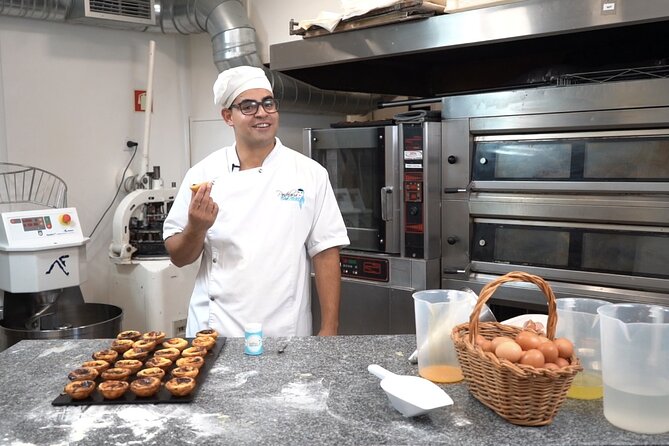
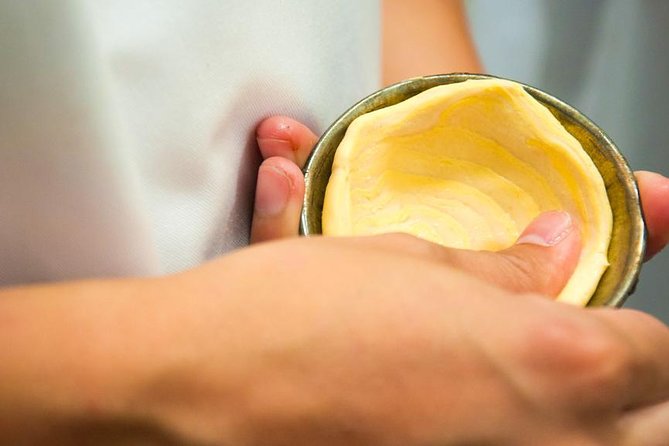
Many pastel de nata classes focus on assembling prepared ingredients. This one takes the more satisfying route. You work with the dough, learn the folding and lamination technique that creates flaky layers, and shape the pastry directly in the small molds.
That distinction matters if you want to repeat the recipe at home. Puff pastry is the part most likely to intimidate a beginner, so getting direct instruction from a pastry chef gives you more than a pleasant afternoon. You learn what the dough should look and feel like at each stage, along with the shaping method that gives the tart its familiar thin shell.
You will also prepare the custard rather than simply pouring a finished filling into the pastry. The class connects the two skills: a crisp, layered base and a smooth custard that browns in the oven. It is a compact lesson in pastry technique, not just a photo opportunity with flour on your hands.
The work is broken into clear steps. Ingredients and equipment are provided, so you do not need to bring baking tools or shop for supplies. That makes this a practical choice for a first cooking class, especially if you are traveling with children or have limited kitchen experience.
More Pastel de Nata Workshops in Lisbon
- Lisbon: Pastel de Nata Baking Class
★ 4.9 · 2,106 reviews - Pastel de Nata Pastry Class: Bake and Enjoy Your Own Treats
★ 5.0 · 485 reviews - Lisbon: 2-Hour Pastel de Nata Cooking Class
★ 4.8 · 461 reviews
Meeting the pastry chef at Santa Justa
The meeting point is R. de Santa Justa 87 in central Lisbon. It is near public transportation and just steps from the Santa Justa elevator, so it fits easily into a day spent around Baixa and the old downtown streets.
The exact instructor can vary. You might work with João Batalha, co-founder of Nat’elier and an award-winning chef, or with pastry chefs including Silvia Sousa, Adriano Cardoso, Sergio Garcia, or Andre. The teaching style described for the classes is patient and direct, with help available when a piece of dough goes wrong.
That last point is important. Pastry can punish small mistakes, but beginners are not expected to get everything right on the first attempt. Silvia Sousa, for example, is noted for calmly helping a young baker start over after a mistake. That kind of relaxed correction keeps the class fun rather than turning it into a test.
You should arrive ready to work in a professional kitchen. The class provides the ingredients and equipment, and you will gear up before entering the kitchen. Specific clothing requirements are not stated, so ask the provider about any current kitchen rules if you have concerns.
The opening lesson: a short story behind the tart
The workshop begins with an introduction to the history of pastel de nata. This gives the pastry a place in Portuguese food culture before you start measuring and shaping.
The introduction is brief enough to leave plenty of time for baking, but it adds useful context. You are not making a random custard tart. You are working on one of Portugal’s best-known foods, a small pastry tied closely to Lisbon’s café culture and everyday eating habits.
I find this opening useful because it helps you pay attention to the details. The pastry’s appeal depends on contrast: crisp, flaky layers against soft custard, with a browned top and a warm center. Once you understand that goal, each step in the kitchen has a clear purpose.
Laminating the dough and shaping three tart shells
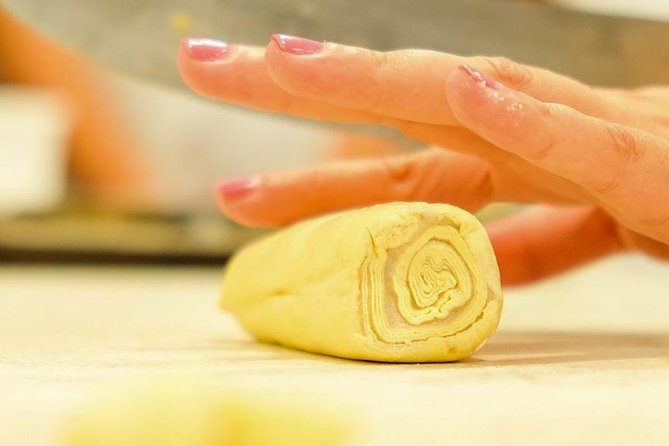
The most technical section is the puff pastry. You learn to laminate the dough, a process that creates layers by working fat and dough together through folding and rolling.
You will not simply watch the chef perform this at a distance. The class is designed so that each person makes at least three tarts by hand. The instructor guides you through the pastry technique and offers corrections as needed.
Next comes the shaping. Pastel de nata has a particular form, with a thin pastry shell that rises around the custard. The technique is different from lining a standard pie pan, and this is where hands-on guidance pays off. You learn how to press and shape the dough into the molds so it bakes evenly and holds the filling.
This stage can be messy, especially for children or anyone new to pastry. That is part of the value. You get a real lesson in handling dough, and you can see how small differences in thickness affect the finished tart.
The group size is capped at 12 people. A full class may feel social and lively, while a smaller class gives you more room to ask questions. One particularly small class had only two participants, which allowed extra time for technique questions. The exact amount of personal attention will depend on the day’s group.
Same base, a completely different sort of day:
- Lisbon City Center Tour – The Unmissable Lisbon
★ 5.0 · 22,234 reviews - Lisbon: Jerónimos Monastery Entrance Ticket
★ 4.1 · 14,164 reviews - Lisbon: History, Stories and Lifestyle Walking Tour
★ 4.8 · 10,902 reviews - Lisbon: Sunset Boat Party Cruise with DJ and Open Bar
★ 4.5 · 10,378 reviews
Cooking the custard and filling the molds
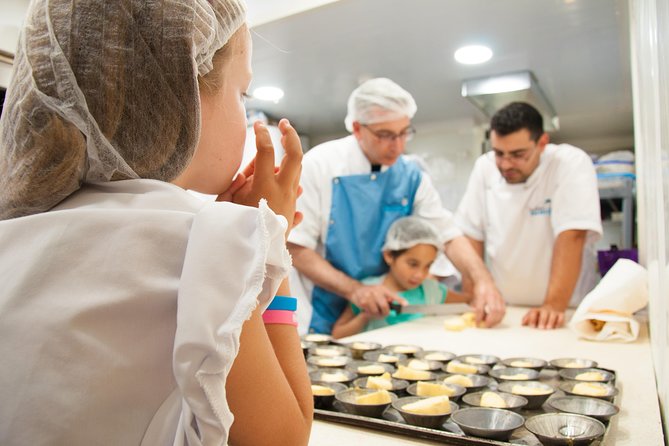
After the pastry work, you prepare the custard. The filling is the soft, sweet center that gives the tart its character, and the class covers the process from the ingredients through to filling the shaped shells.
You then fill your own pastry molds and place them in a professional oven. This is another useful difference from a standard demonstration. You see the tarts go from raw dough and liquid custard to finished pastries, and you learn how the high heat produces the browned surface and crisp shell.
The kitchen is described as warm and spacious, with the steps set up so participants can stay involved. That preparation helps the two-hour schedule work. Pastry classes can lose time if everyone waits for tools or ingredients, but this format is arranged for steady participation.
Do not expect to leave with a large box of pastries. The included amount is three tarts per person. You can eat them at the bakery or take them with you, and some classes provide a box for the pastries you do not finish. The supplied experience specifically promises three fresh pastéis de nata, so treat that as the reliable portion.
The best part: warm pastéis de nata and a drink

Once the tarts come out of the oven, the class moves to a café area for tasting. You receive water and a choice of coffee, tea, or a soft drink.
This final tasting is more than a quick bite. It gives you a chance to compare the pastry you made with the result you were aiming for, and it lets the group relax together after the kitchen work. Several of the most enjoyable elements of the class come at this point: warm pastry, a drink, and time to talk with the people around you.
You can eat all three or take some home. If you have a full dinner planned soon afterward, keeping one or two for later may be sensible. If you are taking them away, ask how best to carry them, since the crisp shell is at its best soon after baking.
Alcohol is not included. The bakery may sell alcoholic drinks, milkshakes, and hot chocolate at an extra cost, but the included drink is limited to water plus coffee, tea, or a soft drink. One practical improvement would be the option to pre-add an alcoholic drink, but you can simply pay separately if available.
What the $84.65 price really buys you
At $84.65 per person, this is not the budget way to sample Lisbon’s signature pastry. You can buy a pastel de nata cheaply at a bakery or café. The price makes sense only if you value the lesson, the professional setting, and the chance to make the food yourself.
You are paying for roughly two hours with a pastry chef, all ingredients and equipment, three tarts, one included drink, a recipe sent by email, and a certificate of achievement. The recipe is especially useful if you want the experience to continue after Lisbon.
The class also offers something a bakery purchase cannot: an understanding of how the pastry is built. If you enjoy cooking, baking, or food culture, the hands-on instruction adds real value. If your main aim is a quick snack, spend the money on several pastries at different bakeries instead.
The recipe is normally sent by email, but one participant had not received it at the time of writing a follow-up. I would check your inbox after the class and contact the provider if it does not arrive. You should not need to take notes during the workshop, since the recipe is intended to be provided afterward.
Is this a good family and solo activity?

The class welcomes adults and children age eight and up. Children must be accompanied by an adult, and the structure works well for families because everyone gets a real task rather than watching a chef do all the work.
Teens may especially enjoy it because the finished food arrives quickly enough to keep the activity focused. The instructors are used to guiding beginners and helping younger participants stay involved. For a family, this offers a shared activity with a clear reward at the end.
It also suits solo visitors. The group format gives you an easy way to meet people, and the kitchen work creates natural conversation. One useful detail is that solo participants may receive extra pastries in some situations when the work is shared differently, but you should not book expecting more than the stated three per person.
Couples, friends, and small groups will find the class easy to join together. It is also a good choice for anyone who wants a break from museums and walking tours without giving up a strong connection to Lisbon.
Timing, group size, and practical planning
Plan on about two hours from the meeting point to the end. The activity begins and ends at R. de Santa Justa 87, so there is no separate transport between stops and no need to arrange a ride to another part of Lisbon.
The central location makes it easy to combine the class with the Santa Justa elevator, Baixa, or nearby sights. Still, avoid booking it too close to a fixed museum entry or dinner reservation. Baking schedules can be orderly, but the class is hands-on and the final tasting is part of the experience.
The activity is offered in English. Specific dietary requirements should be provided at booking. The supplied information does not promise gluten-free, dairy-free, or egg-free substitutions, and those ingredients are central to traditional pastel de nata, so ask before reserving if you have an allergy or strict dietary need.
The class is often booked about 32 days ahead. That is a useful planning signal, particularly for weekends, school holidays, or a short Lisbon stay. Free cancellation is available if you cancel at least 24 hours before the start time. Changes or cancellations inside that window are not accepted for a refund.
Who should book this masterclass?
Book it if you like to understand how a local food is made, want a hands-on activity, or would enjoy a relaxed social class in central Lisbon. It is a strong pick for families with children over eight, solo visitors, couples, and first-time bakers.
The class is also a good match for experienced home cooks. The basic instructions are suitable for beginners, but the pastry work gives more confident bakers something to focus on. You can pay attention to lamination, shaping, and the texture of the custard rather than simply following the broad outline.
Skip it if your schedule is tight, you dislike group activities, or you only want to taste the pastry. At $84.65, the class is priced as a food experience, not as a cheap snack stop.
My booking verdict
I would book this masterclass if you want one memorable food activity in Lisbon and are willing to pay for instruction rather than just dessert. The strongest reasons are the real bakery setting, the from-scratch puff pastry, the three tarts you make yourself, and the clear teaching approach associated with chefs such as Sergio Garcia, Silvia Sousa, Adriano Cardoso, João Batalha, and Andre.
For the best fit, reserve ahead, allow the full two hours, and plan a little space afterward to enjoy or carry your pastries. Bring an appetite, but also bring patience: the point is not only to eat a pastel de nata. It is to learn why the good ones have such crisp pastry, soft custard, and a beautifully browned top.
FAQ
Where does the pastel de nata class meet?
The class meets at R. de Santa Justa 87, 1100-581 Lisboa, Portugal. It is in downtown Lisbon, near public transportation and just steps from the Santa Justa elevator.
How long does the masterclass last?
The experience lasts approximately two hours, including the hands-on baking and the final tasting.
How many pastéis de nata do I make?
You make at least three pastéis de nata by hand during the workshop. You may eat them at the bakery or take them home.
Is previous baking experience required?
No. The class welcomes all ability levels and does not require previous cooking experience.
What drink is included?
You receive water and a choice of coffee, tea, or a soft drink. Alcohol, milkshakes, and hot chocolate are available only at an additional cost.
Are children allowed to join?
Yes. Children age eight and up are welcome, but children must be accompanied by an adult.
What is included besides the pastries?
The price includes the two-hour class, ingredients, equipment, three pastéis de nata, water, one included drink, a recipe sent by email, and a certificate of achievement.
The newest listings around Lisbon
- The Real Lisbon Street Art Private Guided Tour by Minivan★ 4.8 · 49 reviews
- Lisbon: Historical Walking Tour with Jeronimos Monastery★ 4.5 · 71 reviews
- Lisbon: Port Wine Tasting at Taylor’s Shop and Tasting Room★ 4.6 · 490 reviews
- Lisbon: Tagus River Cruise With Brunch★ 3.2 · 73 reviews
- South Lisbon: 3-Hour Christ the King Electric Bike Tour★ 4.8 · 97 reviews
- Oeiras Coast: Stand Up Paddleboarding near Lisbon★ 4.9 · 56 reviews
- Small Group Walking Tour of Belém★ 4.9 · 80 reviews
- Lisbon: 3-Hour Secret Food Tour★ 4.7 · 53 reviews
Pastel de Nata Workshops, compared.

Pastel de Nata Cooking Class with Grandma’s Recipe
Read our review →
Pastel de Nata Cooking Class with Port Wine – Sé
Read our review →
Pastel de Nata Pastry Class: Bake and Enjoy Your Own Treats
Read our review →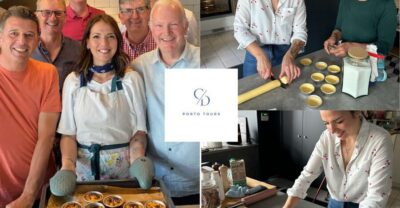

Pastel de Nata Cooking Class with Porto Wine (Sé do Porto)
Read our review →Browse the lists this tour appears in