
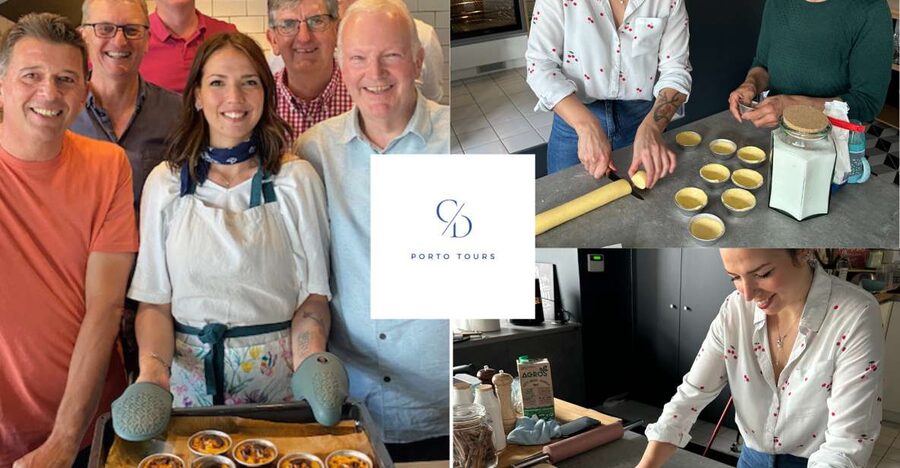
Reviewed · PASTEL DE NATA WORKSHOPS
Porto: Pastel de Nata Cooking Class from Scratch
The best part of this Porto cooking class is that you make the pastry dough from scratch, not just pour custard into ready-made shells. That extra step takes more time, but it gives you a better feel for why a good pastel de nata has such delicate, flaky layers.
I like the friendly, social format and the chance to eat the pastries warm from the oven. I also like that the teaching is practical: you take turns with each stage, and the recipe is provided digitally afterward. The main drawback is that a group of up to 12 cannot give everyone equal hands-on time at every step.
Key points
- Real dough-making: You prepare the pastry as well as the custard filling, which makes this more useful for home bakers.
- Warm pastries at the end: The class finishes with the food you made, fresh from the oven, and some may be available to take home.
- Rotating English-speaking instructors: Clara, Ana, Mariah, Vanessa, Maria, and other hosts lead different sessions, so the exact teacher can vary.
- Social group format: Two to four people may handle a particular step while the rest watch, taste, and learn.
- Wine and Portuguese food culture: A glass of regional wine accompanies the lesson and the conversation about local baking traditions.
- Strict start time: Arrive early. Once the door closes at the scheduled time, you cannot enter.
Why the dough makes this Porto class worthwhile

Pastel de nata is easy to eat and harder to make well. The little custard tart depends on two things: a smooth, gently flavored filling and pastry with thin, crisp layers. Many short demonstrations skip the dough and focus only on the custard. This workshop includes both.
I like that approach because it turns a famous snack into a proper cooking lesson. You do not just learn a recipe. You learn the basic sequence behind it: preparing the dough, handling it carefully, making the custard, shaping the pastry, and baking the finished tarts.
The class lasts 2.5 hours, which gives the instructor time to explain the process without rushing every step. It also leaves room for stories about Portuguese pastry and food customs. The lesson is in English, so you can ask questions as you work.
The exact instructor varies by session. Clara, Ana, Mariah, Vanessa, Maria, Klara, Claudia, and Anna have led different classes. The teaching style described across the sessions is warm, clear, and playful. Several instructors make a point of learning names and drawing quieter people into the conversation.
More Cooking Classes in Porto
- Porto: Pastel de Nata Cooking Class with Grandma’s Recipe
★ 5.0 · 1,565 reviews - Porto: Pastel de Nata Cooking Class with Port Wine – Sé
★ 4.8 · 888 reviews - Porto: Pastel de Nata Cooking Class with Porto Wine (Sé do Porto)
★ 5.0 · 340 reviews
Entering the kitchen and meeting your group
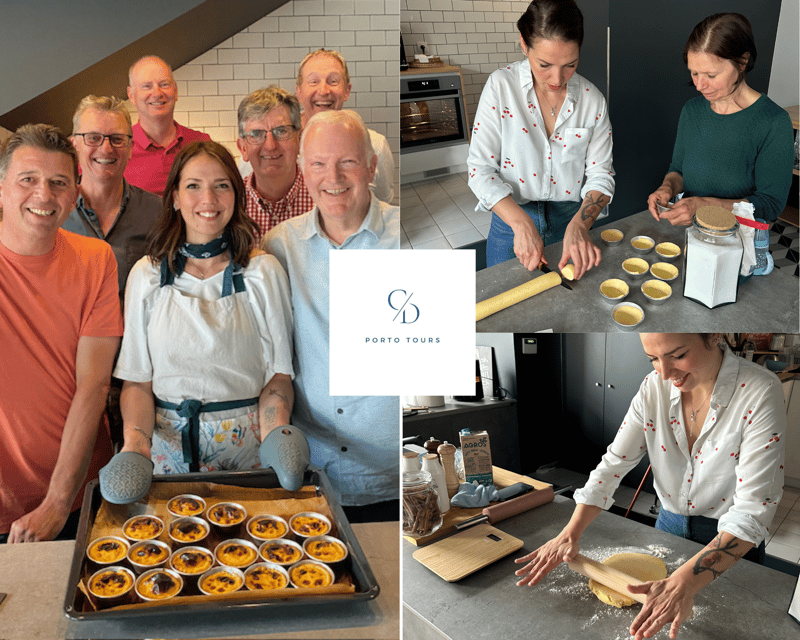
The workshop takes place in a modern show kitchen with a large shared table. The meeting point can vary depending on the option you book, so check your confirmation carefully rather than heading to a familiar cooking school by assumption.
The group can have up to 12 people. That is small enough for a shared class atmosphere, but it is not a private lesson. You sit together, watch demonstrations, and take turns helping with the recipe.
The group format is part of the appeal. You may meet people from several countries, and the shared task gives everyone an easy way to talk. It also works well for solo visitors who want a social activity that does not require a full day.
There is one important trade-off. Not every person will handle every stage. In some sessions, two to four people work on a particular step while the rest watch. If you want personal instruction or full control of your own batch, ask about a private workshop instead.
Preparing the pastry from scratch
The dough is the part that gives this class its edge. You learn how the pastry is made rather than treating it as a bought ingredient.
Your instructor breaks the process into manageable stages. The class works together, and selected participants help with each part. You get to see the technique up close, then take your turn when your group reaches the next stage.
This is not an advanced pastry exam. The process is explained in plain language, and the group moves through the steps together. That makes it suitable for people who bake often and for people who normally avoid recipes that look fussy.
Still, you should expect to pay attention. The recipe alone cannot show every small movement involved in pastry work. One particularly useful point is that technique matters as much as the ingredient list. If you plan to repeat the recipe at home, watch closely when the instructor handles and shapes the dough.
A digital recipe is supplied through a QR code after the class. That is handy because you do not need to keep track of flour-covered paper while cooking. It also gives you a written guide when you try the recipe in your own kitchen.
Making the custard filling
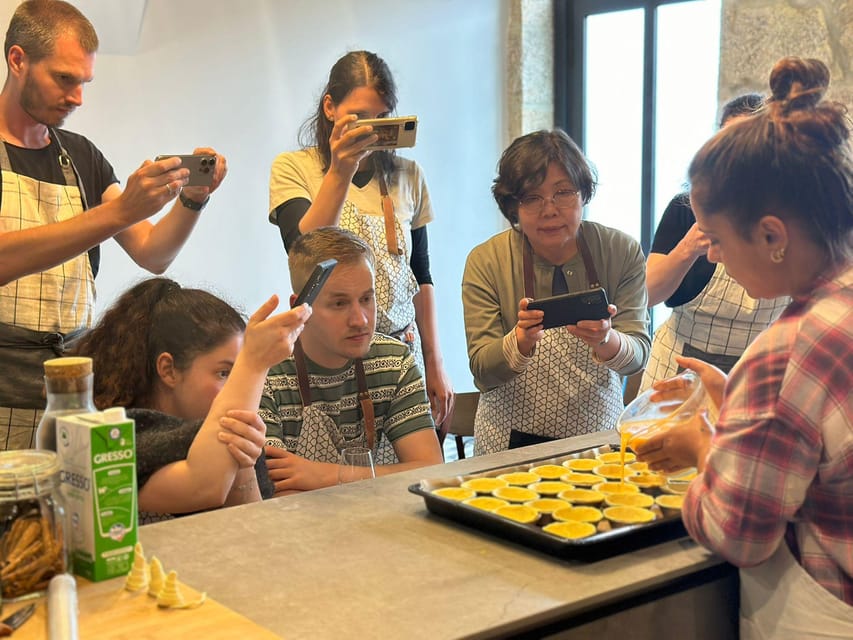
The custard is prepared alongside the pastry. The instructor explains the filling and shows how it fits into the shaped shells.
This is where the lesson connects the familiar taste of pastel de nata with Portuguese food culture. You learn about the pastry’s place in the country’s baking tradition while preparing the filling yourself.
The class is not designed as a lecture. The cultural background comes through conversation as the food is made. That balance works well for me. You get enough context to understand what you are cooking, but you are not stuck listening while someone else does all the work.
The instructor also keeps the pace light. Ana, Clara, Mariah, and the other hosts are praised for being funny, patient, and good at making people feel included. That matters in a cooking class. A technically correct lesson can still feel stiff if the teacher does not create room for questions and mistakes.
More Pastel de Nata Workshops in Porto
- Porto: Pastel de Nata Pastry-Making Workshop
★ 4.9 · 1,542 reviews - Porto center- Workshop “A nata do BJ” making pasteis de nata
★ 4.9 · 79 reviews
Shaping, baking, and eating the results

Once the dough and filling are ready, the group prepares the tarts for the oven. Then comes the best part: eating them warm.
Freshly baked pastel de nata has a different appeal from one that has been sitting in a display case. The pastry is crisp, the custard is warm, and you can connect the final bite to the work that came before it.
The amount you eat can vary by session. Several class accounts describe having multiple pastries and taking one or two home, but the formal inclusions promise pastries rather than a fixed number. Plan on tasting what the group makes, with extra portions possible depending on the batch.
That uncertainty is minor, but it is worth noting if you are booking mainly for a large meal. This is a pastry lesson with a tasting, not a full lunch or dinner.
Wine, stories, and the social side

A glass of regional wine is included. It gives the class a distinctly Portuguese feel and helps keep the conversation flowing while the pastries bake.
The official inclusion is one glass, though the refreshments can vary by session. Some class descriptions also mention additional drinks such as coffee or iced tea, but you should treat the wine as the dependable inclusion.
The food conversation is one of the more enjoyable parts of the experience. You hear about Portuguese pastry and local customs while doing something with your hands. That is more memorable than reading a short paragraph about nata in a guidebook.
The wine is not suitable for everyone. The minimum legal age for alcohol consumption in Portugal is 18, and you can choose not to drink. Anyone who arrives intoxicated will not be accepted.
What the 2.5-hour schedule feels like

Two and a half hours is a sensible length. A shorter session would likely rush the dough, while a much longer one could make a simple pastry feel like a full-day project.
You begin at the scheduled time with the instructor and group. The lesson then moves through the recipe in stages, with demonstrations, group participation, conversation, and baking time.
The pace is generally relaxed. One session was described as slow enough to learn and chat, while another suited a rainy afternoon in Porto. That makes this a useful break from walking between churches, viewpoints, and wine lodges.
Do not arrive at the last minute. The door closes when the class begins, and late entry is not permitted. This is not a casual drop-in activity. Give yourself extra time to find the meeting point, especially since it may vary by booking option.
There is no hotel pickup or drop-off. You make your own way to the workshop and leave independently afterward.
Who will get the most from this class

I would choose this activity if you enjoy food, want a break from sightseeing, or like bringing home a skill instead of only buying souvenirs.
It suits:
- Couples looking for a relaxed shared activity
- Solo visitors who enjoy meeting people around a common task
- Adults with little baking experience
- Confident home bakers who want to study Portuguese pastry technique
- Anyone planning a rainy-day activity in Porto
- People who want a practical cultural experience in English
The class is for adults and is not suitable for children under 15. Minors are not accepted without an accompanying adult, and children under 15 cannot join the regular group workshop for safety and logistical reasons.
Families with younger children need to request a private workshop. Companions who do not have a reservation cannot enter the space, regardless of age. That rule is easy to overlook, so book every participant who plans to attend.
You should also skip this experience if you have gluten or lactose intolerance. Pastel de nata contains both wheat-based pastry and dairy, and the activity is not presented as an allergy-adapted class.
Is $50 a fair price?
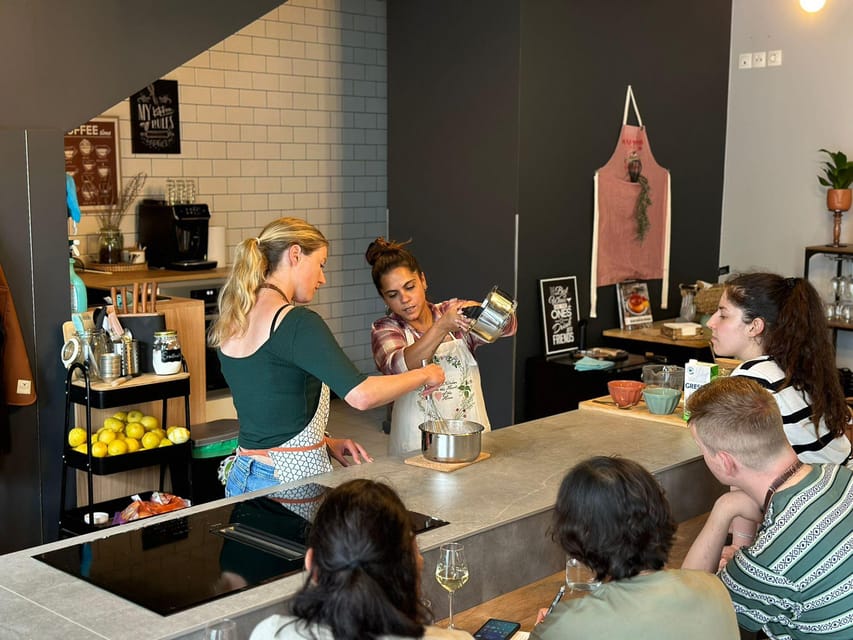
At $50 per person, the value depends on what you want from the afternoon or morning.
If you only want to eat pastel de nata, this is not the economical choice. Portuguese bakeries sell the pastries for far less than the cost of a cooking class.
If you want instruction, a social setting, a glass of wine, warm pastries, and a recipe you can use at home, the price is reasonable. The dough-making component matters here. You are paying for the method and the teacher’s technique, not just for a tasting.
The group size also affects the value. Up to 12 people means you share the work, so this is not the same as paying for a private chef. On the other hand, the shared table creates an easy social mood and keeps the class from feeling intimidating.
I would consider the price especially fair for a solo visitor or couple who want one planned activity in Porto. It is also a good choice near the end of a trip, when you can take the recipe home and try to recreate a taste associated with Portugal.
Free cancellation is available up to 24 hours before the activity for a full refund, and you can reserve now and pay later. Those terms help if your Porto schedule is still shifting, but they do not change the strict no-late-entry rule.
Small details that improve your experience

Arrive early. This is the single most important practical tip. The workshop does not admit late arrivals, and there are no exceptions.
Wear something comfortable that you do not mind wearing in a kitchen. The activity involves food preparation, but no special clothing is listed as included, so keep your outfit practical.
If you are hoping to do every stage yourself, set your expectations before booking. The instructor rotates participation, and the group may work on a shared batch. You will learn by watching as well as doing.
Pay close attention during the dough stage. The digital recipe is useful, but it cannot fully replace seeing the instructor’s hand movements. If you have baked before, this is the part most likely to add something new.
If you want a private family experience, ask for the private option before booking. The standard group class is adults-only for children under 15, and unreserved companions cannot wait inside.
Should you book the Porto pastel de nata class?
Book it if you want more than a bakery stop. The class gives you a practical look at Portuguese pastry, lets you make the dough and filling, and finishes with warm food you helped prepare.
I would especially recommend it for a rainy day, a last morning in Porto, or a trip that already includes plenty of sightseeing. The combination of cooking, wine, conversation, and a recipe to take home gives the activity real value.
Skip it if you dislike group participation, need a fully private lesson, cannot eat gluten or lactose, or want a guaranteed large meal. Also skip it if your schedule is too tight to arrive early.
For most adults who enjoy food and friendly conversation, this is a well-priced, satisfying way to spend 2.5 hours in Porto. The pastry is the subject, but the real reward is learning why the dough matters and leaving with a skill you can try again at home.
FAQ
How long does the Porto pastel de nata class last?
The class lasts 2.5 hours, including instruction, preparation, baking, tasting, and conversation about Portuguese pastry and culture.
Is the class taught in English?
Yes. The activity includes a live English-speaking guide or instructor.
Do I make the pastry dough from scratch?
Yes. The class includes making the dough as well as preparing the pastel de nata filling. This is one of the main features of the workshop.
Is wine included?
Yes. A glass of regional Portuguese wine is included. Alcohol is available only to participants aged 18 or older.
Can children join the group class?
Children under 15 cannot join the regular group workshop. Families with younger children need to request a private workshop. Minors must be accompanied by an adult.
What happens if I arrive late?
Late entry is not allowed. The door closes at the scheduled start time, so arrive early and allow time to find the meeting point.
The newest listings around Porto
- Canyoning Tour From Porto★ 5.0 · 79 reviews
- Porto: Tuk tuk Tours with Port Wine Tasting★ 4.5 · 65 reviews
- The Beautiful Story of Porto: Guided Tour with Entry Tickets★ 4.8 · 111 reviews
- Porto: Small Group Surfing Experience with Transportation★ 4.9 · 40 reviews
- Porto: Royal Oporto Tour na Real Companhia Velha★ 4.8 · 395 reviews
- Porto: WOW Daily Ticket★ 4.7 · 42 reviews
- Porto: 6 Bridges Port Wine River Cruise with 4 Tastings★ 4.8 · 182 reviews
- Porto Wine Tasting Experience with Portuguese Tapas Plate★ 4.7 · 356 reviews
Pastel de Nata Workshops, compared.
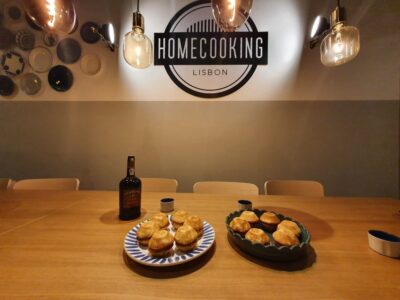

Pastel de Nata Cooking Class with Grandma’s Recipe
Read our review →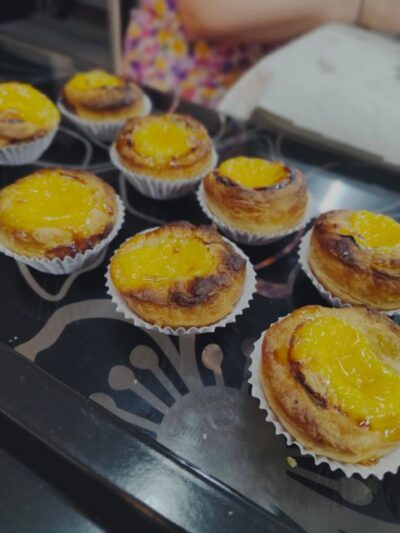
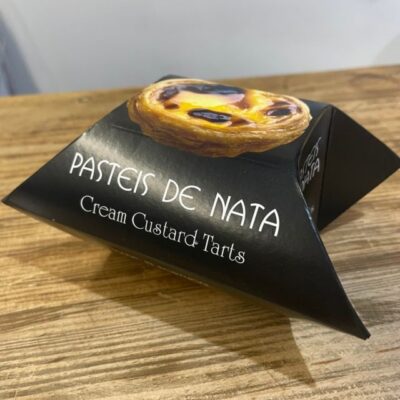
Pastel de Nata Cooking Class with Port Wine – Sé
Read our review →
Pastel de Nata Masterclass at a Real Bakery in Downtown Lisbon
Read our review →
Pastel de Nata Pastry Class: Bake and Enjoy Your Own Treats
Read our review →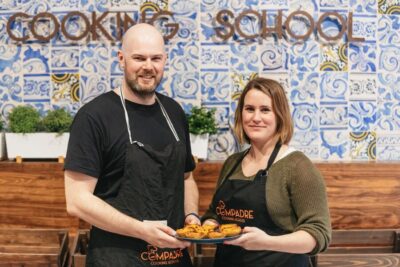

Pastel de Nata Cooking Class with Porto Wine (Sé do Porto)
Read our review →Browse the lists this tour appears in