
Reviewed · COOKING CLASSES
Lisbon: Traditional Portuguese Cooking Class
Portuguese food makes the most sense when you hear the family stories behind it. In this three-hour Lisbon class, you do not simply sit down to a finished meal. You taste cheese, chorizo, and wine, then work with the chefs to prepare a starter, main course, and dessert.
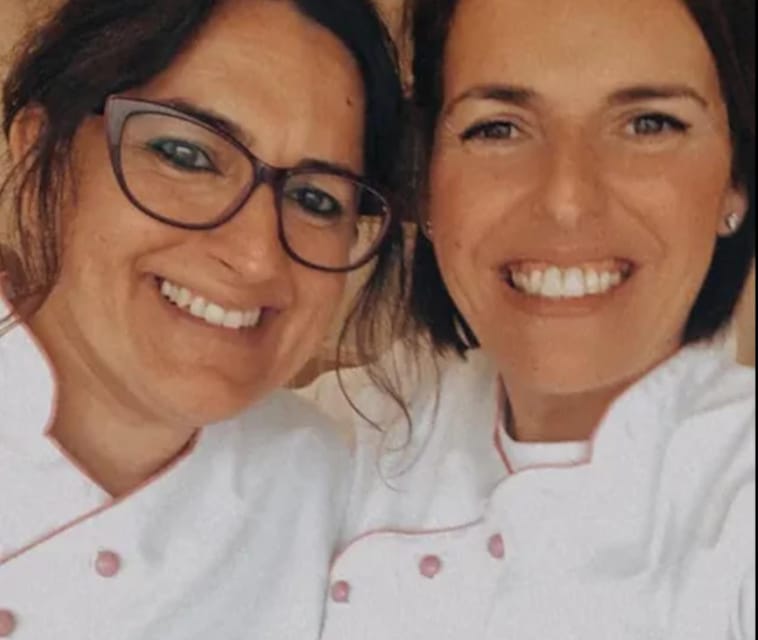
I like the hands-on format, since you learn techniques you can use at home rather than watching a cooking show from the sidelines. I also like the personal touch from Ana and Carina, whose classes draw on family ingredients, home cooking, and the everyday connection between food and Portuguese life.
The main drawback is that this class is not suitable for vegans, people with food allergies, or children under eight. The kitchen is upstairs, too, so it does not work for wheelchair users. If you need a vegetarian menu, give notice at least 72 hours ahead.
Key points before you book

- A full three-course meal: You help prepare a starter, main course, and dessert, then eat what you made.
- Seasonal Portuguese cooking: The menu changes with the season and the ingredients available.
- Ana and Carina lead the class: Instruction is offered in English and Portuguese, with a friendly, informal approach.
- Small group setting: The class is limited to 10 people, which gives you a better chance to take part.
- Tasting begins before cooking: Cheese, chorizo, and wine set the tone before the work starts.
- Plan for the access limits: The kitchen is on an upper floor, and the class cannot accommodate vegans or people with food allergies.
What the three-hour class is really about

This is not a quick demonstration followed by a plate of food. The point is to cook alongside the chefs and understand why the dishes matter.
The menu is built around fresh, local, seasonal ingredients. That means you should not book with one exact dish in mind. The menu may change with the time of year and what is available, but that flexibility is part of the appeal. Portuguese home cooking is often guided by the market, the garden, and the family pantry rather than a fixed restaurant menu.
The chefs explain the recipes and the methods as you go. You can expect practical instruction, not just a list of ingredients. The class is designed for people with different levels of experience, so you do not need to arrive as a confident cook. The teaching is meant to help beginners take part while still giving more experienced cooks something useful to bring home.
The class also uses food as a doorway into Portuguese culture. You hear the stories behind the dishes, including connections between food, family, and daily life. That context matters. A recipe becomes easier to remember when you understand where it belongs and why it is prepared in a certain way.
More Cooking Classes in Lisbon
- Lisbon: Pastel de Nata Baking Class
★ 4.9 · 2,106 reviews - Lisbon: Traditional Portuguese Cooking Class
★ 4.9 · 592 reviews - Lisbon: 2-Hour Pastel de Nata Cooking Class
★ 4.8 · 461 reviews
Starting with cheese, chorizo, and wine
The opening tasting gives you a relaxed way into the evening. You sample Portuguese cheeses and chorizo with wine before the cooking begins.
This first part is useful for two reasons. First, it lets you taste local products without rushing through a formal meal. Second, it gives the group time to settle in and meet one another. Several class descriptions point to the informal mood, with conversation and laughter helping the session feel more like a shared meal than a strict lesson.
The food itself is also a preview of the class philosophy. Simple ingredients matter here. The chefs place attention on the quality and origin of the produce, olive oil, bread, and other staples. Ingredients brought from family gardens and farms have been part of the experience, including olive oil and figs from the chefs’ family property and bread connected to their hometown.
You should treat the tasting as part of the meal, not just a sample tray. If you are planning a large dinner afterward, allow for the fact that the class includes food from the beginning and finishes with a full three-course meal.
Preparing the starter, main course, and dessert

After the tasting, the group moves into the cooking portion. You help prepare three courses: a starter, a main course, and dessert.
The exact dishes are not fixed in advance. That is important when comparing this class with a cooking lesson built around one famous Portuguese recipe. Here, you get a broader look at Portuguese cooking, but you cannot count on making a particular dish during your visit.
The chefs guide the group through the preparation. The class is intended to be active, so expect to chop, mix, shape, season, or otherwise assist with the meal. The precise tasks depend on the seasonal menu and the number of people attending.
I like this structure because it connects the instruction directly to dinner. You learn a method, use it immediately, and then taste the result. That makes the lesson more memorable than a demonstration where the chef does everything.
The cooking also appears to be designed around home-style food rather than restaurant tricks. The dishes are presented as food the chefs would prepare for their own families. That gives you a useful sense of what Portuguese cooking looks like away from formal dining rooms: generous, ingredient-focused, and tied to ordinary family meals.
The dessert is part of the hands-on menu, too. You are not stopping after the savory courses. By the end, you have worked through a complete meal and seen how the parts fit together.
Meeting Ana and Carina in the kitchen

The personalities of the instructors are a large part of the experience. Ana and Carina teach in English and Portuguese, and their approach is warm, funny, and easy to follow.
That matters in a cooking class. Technical instructions can feel intimidating when the pace is quick or the teacher assumes too much. Here, the emphasis is on making the process approachable. You can ask questions, take part at your own level, and learn without needing professional kitchen skills.
The class is limited to 10 participants. That is still large enough for a social evening, but small enough that the experience should feel more personal than a big group demonstration. You will not have a private lesson, and tasks may be shared, but the group limit gives the chefs room to teach rather than simply perform.
The language arrangement is another practical plus. English instruction is available, along with Portuguese. If you speak Portuguese, you may enjoy the chance to hear the food discussed in its home language. If you do not, the English option makes the recipes and stories accessible.
The tone is informal rather than polished or theatrical. That is good news if you want contact with local cooking traditions instead of a staged food show. It also means the experience may suit you best if you enjoy conversation, participation, and a little kitchen disorder.
Same base, a completely different sort of day:
- Lisbon City Center Tour – The Unmissable Lisbon
★ 5.0 · 22,234 reviews - Lisbon: Jerónimos Monastery Entrance Ticket
★ 4.1 · 14,164 reviews - Lisbon: History, Stories and Lifestyle Walking Tour
★ 4.8 · 10,902 reviews - Lisbon: Sunset Boat Party Cruise with DJ and Open Bar
★ 4.5 · 10,378 reviews
The meal at the table

Once the cooking is finished, everyone sits down to eat the meal prepared during the class. The final table is the payoff, but it is not the only reason to book.
You get to taste the finished dishes with a better understanding of what went into them. You will have seen the ingredients, handled the preparation, and heard the story connected to each course. That makes the meal feel more personal than a standard restaurant dinner.
The relaxed setting also gives you time to talk with the chefs and other participants. This is a good evening choice for couples, friends, solo visitors who enjoy social activities, and families with older children who meet the age requirement.
The food is clearly the strongest part of the experience. The ingredients are fresh and seasonal, and the chefs place importance on simple products that can carry a dish on their own. You should not expect elaborate restaurant presentation or a fixed tasting menu. Expect a generous cooking lesson followed by the food you helped make.
Wine is included with the tasting, and wine is part of the shared meal atmosphere. Alcohol is allowed as part of the experience, but illegal drugs are not permitted. If you do not drink, the class still has plenty of value in the cooking and cultural discussion, though the published experience does not specify alternative beverages.
Why the $94 price can make sense

At $94 per person, this is not the cheapest way to eat in Lisbon. You can find a less expensive meal elsewhere, and a cooking class always costs more than the raw price of its ingredients.
The value comes from combining several things in one three-hour session:
- A guided cooking lesson
- A starter, main course, and dessert
- Cheese, chorizo, and wine tasting
- English or Portuguese instruction
- A small group capped at 10 people
- Cultural stories connected to the dishes
- A full meal at the end
If you already plan to pay for dinner, the price is easier to justify. You are adding instruction, social time, and a cultural activity to the meal. I would see it as a food experience with dinner included, not as a restaurant replacement alone.
The value is strongest for people who want to remember more than the name of a dish. You can take home cooking ideas, a better sense of Portuguese ingredients, and a clearer picture of how food connects to family life.
The price may feel less worthwhile if you dislike group activities, want a guaranteed menu, or prefer to spend the evening at a quiet restaurant. It is also not a good fit if you cannot eat the listed ingredients or need a fully accessible venue.
Finding the kitchen near Continente Bom Dia

Transportation to and from your accommodation is not included. You will need to make your own way to the meeting point.
The directions use the Continente Bom Dia supermarket as a landmark. When you are near the supermarket and facing its main entrance, look to the left for a set of stairs. Go up the stairs to the end. The kitchen is in the square on the top floor, inside the chefs’ shop.
Give yourself enough time to find it. The street is a main street, but the kitchen is not described as a street-level storefront. The stairs and upper-floor location are important details for anyone carrying luggage, managing limited mobility, or traveling with a stroller.
The activity does not provide hotel pickup. Check the route before you leave, especially if your class has an evening starting time and you are unfamiliar with the area.
Who should book this Portuguese cooking class

I would recommend this class to you if you want an active food experience and enjoy meeting people over a shared meal. It is especially well suited to:
- Couples looking for an evening activity beyond restaurant dining
- Solo visitors who enjoy small-group experiences
- Families with children aged eight and older
- Amateur cooks who want clear instruction
- Experienced home cooks interested in Portuguese ingredients and techniques
- Anyone who wants cultural context along with a meal
You do not need advanced cooking skills. The chefs teach the preparation, and the class is structured so you can take part without already knowing Portuguese recipes.
I would not choose it for a vegan, someone with a food allergy, or anyone who needs step-free access. Vegetarians may be accommodated, but you must contact the provider at least 72 hours before the class. The same notice applies to other dietary restrictions, although the experience specifically says it is not suitable for people with food allergies.
Children under eight cannot attend. That age rule makes sense for a working kitchen and a three-hour class, but it limits the activity for families with younger children.
Small details that can improve your evening

Arrive ready to participate. This is not the place to sit back while someone else prepares everything. Wear clothing you do not mind wearing in a kitchen, and come with enough appetite for tasting, cooking, and a complete meal.
Keep your schedule open for the full three hours. The class includes several stages, from the opening tasting to the cooking and final meal. Rushing away halfway through would cut out much of the cultural and social part of the experience.
If you have a specific dietary need, do not wait until the day of the class. Contact the provider at least 72 hours ahead. Vegetarian requests can be accommodated with advance notice, but vegans and people with food allergies should choose another activity.
The class is offered in English and Portuguese. If you are booking with people who have different language needs, confirm that the group will be comfortable with the available instruction.
Free cancellation is available up to 24 hours before the start time, and you can reserve now and pay later. Those options help if your Lisbon plans are still changing, but they do not remove the need to check your menu and access requirements before booking.
Should you book it?
Book this class if you want to cook Portuguese food with local chefs, eat a full meal, and hear the family stories behind the recipes. The strongest reasons to go are the hands-on format, the seasonal ingredients, the friendly instruction from Ana and Carina, and the chance to connect food with everyday Portuguese life.
Skip it if you need a guaranteed dish, a vegan or allergy-safe menu, or a wheelchair-accessible venue. For everyone else, the $94 price is reasonable when you count the three-hour lesson, tastings, wine, and dinner. It is a particularly good choice for a Lisbon evening when you want to leave with both a full stomach and something useful to cook at home.
FAQ
How long does the Lisbon Portuguese cooking class last?
The class lasts three hours. It includes the tasting, hands-on preparation of three courses, and the meal at the end.
What food is included?
You will taste cheeses, chorizo, and wine. You will also help prepare a starter, main course, and dessert, with the exact menu changing according to the season and ingredient availability.
Is the class offered in English?
Yes. The instructors teach in English and Portuguese.
How many people can join the class?
The class is limited to 10 participants.
Can vegetarians attend?
Yes, the menu can be adapted for vegetarians if you communicate the request at least 72 hours before the reserved class.
Is the cooking class wheelchair accessible?
No. The kitchen is on the top floor and is not suitable for wheelchair users. The activity is also not suitable for children under eight, vegans, or people with food allergies.
The newest listings around Lisbon
- The Real Lisbon Street Art Private Guided Tour by Minivan★ 4.8 · 49 reviews
- Lisbon: Historical Walking Tour with Jeronimos Monastery★ 4.5 · 71 reviews
- Lisbon: Port Wine Tasting at Taylor’s Shop and Tasting Room★ 4.6 · 490 reviews
- Lisbon: Tagus River Cruise With Brunch★ 3.2 · 73 reviews
- South Lisbon: 3-Hour Christ the King Electric Bike Tour★ 4.8 · 97 reviews
- Oeiras Coast: Stand Up Paddleboarding near Lisbon★ 4.9 · 56 reviews
- Small Group Walking Tour of Belém★ 4.9 · 80 reviews
- Lisbon: 3-Hour Secret Food Tour★ 4.7 · 53 reviews
Cooking Classes, compared.


Pastel de Nata Cooking Class with Grandma’s Recipe
Read our review →
Pastel de Nata Cooking Class with Port Wine – Sé
Read our review →


Lisbon Portuguese Cooking Class with 3-Course Dinner
Read our review →
Pastel de Nata Cooking Class with Porto Wine (Sé do Porto)
Read our review →Browse the lists this tour appears in