
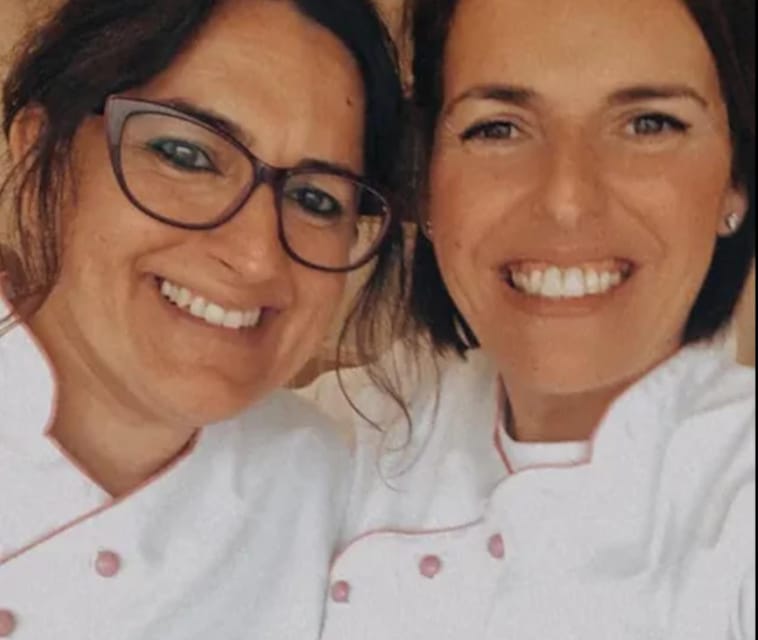
Reviewed · COOKING CLASSES
Lisbon: Traditional Portuguese Cooking Class
Lisbon’s food culture makes more sense when you cook it yourself. At Homecooking Lisbon HUB, you start with Portuguese snacks, wine, and beer, then work through a four-course meal with a chef guiding every step. The point is not a polished restaurant show. You chop, stir, taste, ask questions, and sit down to eat what the group has made.
I like the small groups of up to 10 and the patient, social teaching style. I also like that the class connects food with family stories, local customs, and seasonal cooking. The main consideration is the amount of food: arrive hungry, since the meal can be surprisingly generous. One dish may also depend on the day’s menu, and a pork cut has been described as tough.
Key points to know before booking

- Four-course meal: You prepare and eat a full Portuguese meal, including dessert.
- Drinks are included: Wine, beer, homemade juice, coffee, water, and small tastings are part of the experience.
- English instruction: Chefs such as Miguel, Theresa, Beatriz, Pedro, and others lead the class in English.
- Social kitchen setting: You cook in pairs or small teams, making it easy to meet other people.
- Three hours at Homecooking Lisbon HUB: The class takes place at one cozy kitchen location, with no hotel pickup.
- Good for beginners: The instruction is step by step, though children under 6 and people with mobility impairments should not book.
Why this Lisbon cooking class works so well

A cooking class can be a useful break from monuments and tiled facades. You leave with more than a full stomach. You gain a better sense of how Portuguese food is built: simple ingredients, careful timing, strong local habits, and recipes passed through families.
This class is especially appealing because it does not treat Portuguese cuisine as a quick tasting menu. You help prepare the food. That hands-on work gives you a practical connection to dishes you may later see in Lisbon restaurants or try at home.
The setting also favors conversation. With no more than 10 participants, the chef can circulate, correct a technique, and answer questions. You are not standing in the back of a large demonstration group trying to see a cutting board. The format is cooperative, with people often working in pairs before sitting down together.
The experience lasts three hours and costs $100 per person. That is not a bargain meal, but the price includes ingredients, kitchen equipment, instruction, the complete four-course meal, snacks, and drinks. If you would otherwise pay separately for dinner and several drinks, the value becomes easier to see. You are also paying for an activity, not just food.
More Cooking Classes in Lisbon
- Lisbon: Pastel de Nata Baking Class
★ 4.9 · 2,106 reviews - Lisbon: 2-Hour Pastel de Nata Cooking Class
★ 4.8 · 461 reviews - Lisbon Portuguese Cooking Class with 3-Course Dinner
★ 5.0 · 445 reviews
Arriving at Homecooking Lisbon HUB
The meeting point is Homecooking Lisbon HUB in the Lisbon District. Hotel pickup and drop-off are not included, so you need to make your own way there. One participant found that a city bus stopped right at the front door, but you should still check the exact route and travel time from your accommodation before booking.
The kitchen is described as cozy and inviting, which matters more than it may sound. A cooking class depends on having enough room to work without feeling crowded. The group size helps, though the class can feel lively when all 10 places are filled.
You might find the location a little outside the busiest central streets. That can be a plus. One participant liked being just far enough from central Lisbon to get a better feel for the local neighborhood. Still, do not treat this as a sightseeing tour. The food and people are the focus, not views or a sequence of city landmarks.
Starting with snacks, wine, and Portuguese drinks

The evening begins with finger food, snacks, and drinks before the main cooking starts. Wine and beer are included, along with homemade juice, coffee, and water. Some sessions have also included tastings of ginja, port wine, and sweet almond liqueur toward the end.
This opening helps set the tone. You are not expected to arrive knowing how to cook Portuguese food. You can settle in, meet the others, and get comfortable with the chef before the more active work begins.
The drinks are also part of the value. Alcohol is not an extra charge, and several people have specifically appreciated having wine and beer available throughout the meal. If you do not drink alcohol, homemade juice, water, and coffee are included too.
You should pace yourself. The class can last three hours, and the drinks arrive alongside a substantial amount of food. This is not the place for a large lunch just before you arrive. Come hungry, but do not assume that every dish will suit every taste. The menu is traditional and may include ingredients or cuts that are less familiar to you.
Learning the menu before you cook

The chef introduces each dish, explains the ingredients, and talks about the methods behind it. Menus are seasonal, so the exact four courses can vary. That is a strength for an experience focused on Portuguese home cooking, though it means you should not book expecting one fixed menu unless the current offering is confirmed in advance.
The teaching includes more than instructions. Chefs explain spices, preparation choices, and the cultural background of the food. Some also connect dishes with Lisbon’s past or with recipes learned from parents and grandparents. That personal layer is one of the most appealing parts of the class.
The instructors named in the supplied feedback include Miguel, Theresa, Beatriz, Pedro, Miyuki, Tereza, Kriszti, and Bee. You cannot request that a particular chef will lead your date unless the provider confirms it, but the pattern is clear: the class depends heavily on warm, attentive teaching.
A good example is the way Theresa is described as giving practical alternatives for using the same ingredients. Beatriz is praised for explaining both technique and the stories behind the dishes. Miguel is noted for clear instructions and close attention during the cooking. These details suggest that the best part of the class is not simply the recipe card. It is the help you receive while making the food.
Same base, a completely different sort of day:
- Lisbon City Center Tour – The Unmissable Lisbon
★ 5.0 · 22,234 reviews - Lisbon: Jerónimos Monastery Entrance Ticket
★ 4.1 · 14,164 reviews - Lisbon: History, Stories and Lifestyle Walking Tour
★ 4.8 · 10,902 reviews - Lisbon: Sunset Boat Party Cruise with DJ and Open Bar
★ 4.5 · 10,378 reviews
Cooking four traditional Portuguese courses

After the introduction, you cook the meal in a step-by-step format. The group may divide into pairs or small teams, with the chef and assistants moving around the kitchen to help. This gives you a real job rather than leaving you as an observer.
You will handle the ingredients and equipment supplied for the class. The structure is designed for all experience levels, so you do not need a background in cooking. Beginners get clear direction, while more confident cooks can ask about technique and try methods outside their normal routine.
The class is collaborative, which is important to understand before you book. You are helping create a shared meal, not ordering four separate dishes made entirely by you. Some tasks may be done with a partner or assigned to different parts of the group. That arrangement keeps the class moving and makes it easier to talk with people from other countries.
The menu includes savory courses and dessert. Past sessions have included Portuguese specialties such as pastel de nata, and one participant was pleased to prepare and take home a generous amount of tarts. The exact dishes are seasonal, so treat that example as a possibility rather than a promise.
A chorizo grill demonstration has also been part of one class. It was memorable because it showed a traditional piece of Portuguese cooking equipment that many participants had never seen. These small moments are valuable. They turn an ordinary recipe into a lesson about how food is cooked at home.
There is one practical caveat. A pork ribs dish was found tough by one participant. That does not make the whole menu poor, but it is a reminder that traditional food is not always adjusted to modern restaurant expectations. You may encounter a cut, texture, or ingredient that you would not choose at home.
Sitting down to eat what you made

Once the cooking is finished, the group shares the four-course meal. This is when the class shifts from instruction to a communal dinner. You can compare the results, talk through the dishes, and enjoy the meal with the people who prepared it beside you.
The social side is a major reason to choose this activity. Several participants describe the atmosphere as relaxed and family-like, with conversation, laughter, and plenty to drink. If you are visiting Lisbon alone, this gives you an easy way to meet people without joining a formal city tour. If you are traveling as a couple or family, it creates a shared activity rather than another meal at a separate table.
The meal can be larger than expected. People have specifically advised arriving very hungry, and that is sensible. The class begins with snacks, continues through four courses, and may finish with drinks or sweets. You should not schedule a demanding activity immediately afterward unless you enjoy walking around Lisbon very slowly.
The food is also the clearest test of value. You are not just tasting a few samples. You prepare a full meal and eat it with the group. At $100, that makes the experience more reasonable for people who want both dinner and instruction. It is less compelling for someone who only wants the cheapest possible meal.
How the teaching style affects your experience

The most praised feature is the instructors. The chefs are repeatedly described as friendly, patient, funny, and attentive. That matters because cooking classes can become frustrating when the teacher talks to the whole room but misses the person who needs help with a knife, pan, or timing.
The format appears flexible. One participant appreciated being able to take part at a relaxed pace or be more active, depending on personal preference. Another noted that the instructor made an effort to include everyone and keep people comfortable in the kitchen.
That does not mean every moment will be quiet or perfectly orderly. A full group can create noise and a little confusion, especially when several dishes are being prepared at once. The social energy is part of the appeal, but people seeking a private, highly controlled lesson should choose a different format.
The class is conducted in English. That makes it practical for international visitors, and the instruction includes explanations rather than silent demonstrations. If you want to learn a few Portuguese food terms, you can certainly ask, but English is the working language.
Who should book this experience?

I would recommend it to food-focused visitors who want more contact with Portuguese culture than a restaurant meal provides. It suits solo visitors, couples, families with older children, and friends who enjoy doing something together.
Families should note the formal age restriction: children under 6 are not suitable for this activity. Older children have taken part successfully, including children aged 8, 10, and 11 in family groups. That suggests the class can work well for school-age children, though you should consider how comfortable your own child is with a three-hour kitchen activity.
It is also a good choice for people who are not confident cooks. The chef provides guidance, the ingredients and equipment are supplied, and the process is explained one step at a time. You do not need to arrive with special skills.
You should think twice if you have serious mobility limitations, since the experience is not suitable for people with mobility impairments. You should also communicate food allergies or preferences before booking. One class accommodated several dietary needs with plenty of choices, but you should never assume that every menu can be changed without advance notice.
Timing, cancellation, and practical value
The activity takes three hours, but start times vary by date. Check availability before planning the rest of your day. Since the meal is substantial and drinks are included, a class near lunchtime may serve as your main meal, while an evening class works well as dinner.
You can cancel up to 24 hours in advance for a full refund. The reserve-now, pay-later option also gives you some flexibility while arranging a Lisbon trip. These policies are useful, but the more important planning detail is the meeting point. You must reach Homecooking Lisbon HUB yourself.
Insurance is included. So are all ingredients, kitchen gear, instruction, snacks, and drinks. There are no surprise charges listed for the meal itself, though hotel transportation is not part of the package.
Should you book the Lisbon traditional cooking class?
Book it if you want a meal you helped create, a friendly English-speaking chef, and an easy way to meet people while learning about Portuguese food. The strongest reasons are the small group, the hands-on format, the included drinks, and the personal stories that connect recipes with Portuguese life.
At $100, I see it as a worthwhile splurge for food lovers and a particularly good choice early in your Lisbon visit. You can use what you learn when ordering in restaurants for the rest of your stay. Just arrive hungry, allow time to reach the kitchen, and remember that the menu is seasonal rather than fixed.
Skip it if you want a private lesson, a short tasting, or a guaranteed restaurant-style version of every dish. For everyone else, Homecooking Lisbon offers a warm, practical introduction to Portuguese cuisine, with enough food and conversation to make three hours feel well spent.
FAQ
Where does the cooking class take place?
The class takes place at Homecooking Lisbon HUB in the Lisbon District. Hotel pickup and drop-off are not included.
How long does the Portuguese cooking class last?
The experience lasts three hours. Starting times depend on availability for your selected date.
What is included in the price?
The price includes ingredients, kitchen equipment, chef instruction, a four-course meal, finger food, snacks, wine, beer, homemade juice, coffee, water, and insurance.
Is the class taught in English?
Yes. The instructor language is English.
How many people are in each group?
The class is limited to 10 participants, making it a small-group cooking experience.
Can children or people with mobility impairments join?
Children under 6 are not suitable for the activity, and the experience is not suitable for people with mobility impairments.
The newest listings around Lisbon
- The Real Lisbon Street Art Private Guided Tour by Minivan★ 4.8 · 49 reviews
- Lisbon: Historical Walking Tour with Jeronimos Monastery★ 4.5 · 71 reviews
- Lisbon: Port Wine Tasting at Taylor’s Shop and Tasting Room★ 4.6 · 490 reviews
- Lisbon: Tagus River Cruise With Brunch★ 3.2 · 73 reviews
- South Lisbon: 3-Hour Christ the King Electric Bike Tour★ 4.8 · 97 reviews
- Oeiras Coast: Stand Up Paddleboarding near Lisbon★ 4.9 · 56 reviews
- Small Group Walking Tour of Belém★ 4.9 · 80 reviews
- Lisbon: 3-Hour Secret Food Tour★ 4.7 · 53 reviews
Cooking Classes, compared.


Pastel de Nata Cooking Class with Grandma’s Recipe
Read our review →
Pastel de Nata Cooking Class with Port Wine – Sé
Read our review →

Lisbon Portuguese Cooking Class with 3-Course Dinner
Read our review →
Pastel de Nata Cooking Class with Porto Wine (Sé do Porto)
Read our review →
Browse the lists this tour appears in