
Reviewed · WALKING TOURS
Lisbon: Best of City Private Walking Tour
Lisbon’s story comes alive on foot, from the earthquake-shaped streets of Baixa to the crooked lanes of Alfama. This private tour links the city’s main squares and neighborhoods while giving you a local guide to explain why Lisbon looks and feels the way it does. You’ll also get a pastel de nata, a small tapa, and wine.
I like the personal format, since your guide can adjust the pace, answer questions, and offer practical ideas for the rest of your stay. I also like the mix of big sights and everyday Lisbon, especially the stop at a local bar and the look at hidden Fado restaurants.
The main trade-off is time. Three hours passes quickly, and this is a walking tour rather than an inside visit to Lisbon’s monuments. Expect plenty of ground, some hills and uneven lanes, and only an outside look at places such as Carmo Church.
Key points at a glance
- Start in the center of old Lisbon: Meet at Rossio Square by the Column of King Pedro IV, a useful and easy-to-find starting point.
- See the city rebuilt after disaster: Baixa’s straight streets and planned blocks reveal how Lisbon rose again after the 18th-century earthquake.
- Cover several districts in one private walk: The route connects Rossio, Restauradores, Carmo, Chiado, Baixa, Alfama, and Praça do Comércio.
- Mix history with local tastes: A pastel de nata, one tapa, and a wine tasting are included.
- Hear about Portugal’s modern turning point: Carmo Square provides the setting for the story of the 1974 Carnation Revolution.
- Get advice tailored to your trip: Guides such as João, Carolina, Pedro Osorio, Beatriz, Raquel, and Tiago have been praised for useful restaurant, shopping, transport, and sightseeing tips.
Starting at Rossio, Lisbon’s natural orientation point

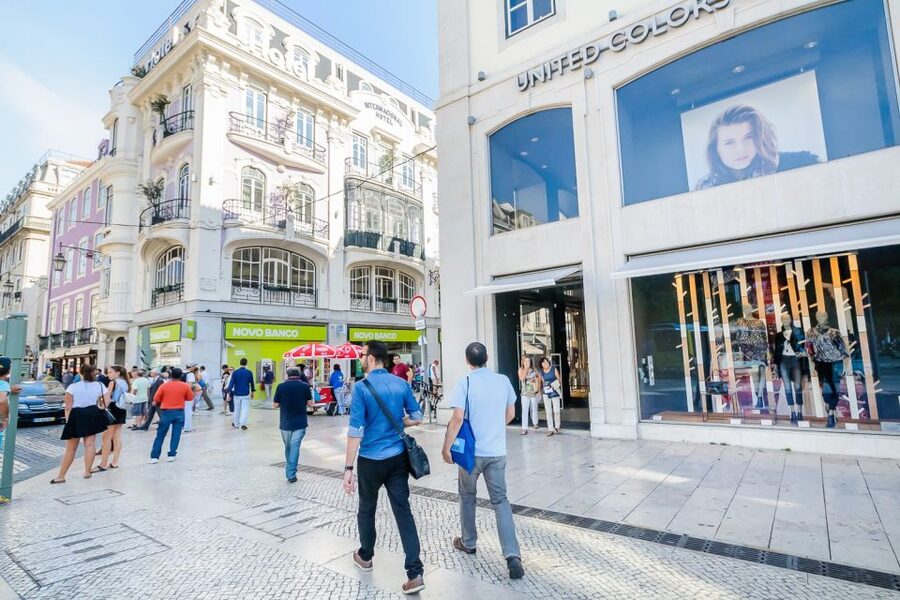
The tour begins at Praça Dom Pedro IV, better known as Rossio Square, in front of the column of King Pedro IV. This is a sensible place to start because Rossio sits at the meeting point of central Lisbon’s old quarters, shopping streets, cafés, and transport links.
Your guide will set the city in context before the walking really gets going. The focus is not just on names and dates. You’ll hear how Lisbon was shaped by the 18th-century earthquake, the rebuilding that followed, and the planning ideas used to create a safer and more orderly downtown.
That opening matters. Lisbon can seem like a jumble of hills, tiled facades, grand plazas, and narrow lanes. A private guide helps you see the pattern before you start climbing through it.
Guests have especially praised guides who keep the talk lively without burying you in facts. Chon was singled out for a fast, well-researched three-hour walk, while Rachel was appreciated for giving just enough history without overloading the group. That balance is useful if you want a clear introduction rather than a formal lecture.
More Walking Tours in Lisbon
- Lisbon: History, Stories and Lifestyle Walking Tour
★ 4.8 · 10,902 reviews - Best of Lisbon Small-Group Guided Walking Tour
★ 5.0 · 4,869 reviews - Lisbon: Food and Wine Small Group Walking Tour
★ 4.9 · 4,082 reviews
Restauradores and the memory of Portuguese independence

From Rossio, you’ll see Restauradores Square and its tall obelisk. The monument commemorates Portugal’s restoration of independence from Spain in 1640, a detail that gives the square more meaning than its grand scale alone suggests.
This is one of the tour’s strengths: major sights become pieces of a larger national story. Lisbon’s plazas are not simply attractive open spaces. They reflect wars, political change, rebuilding, and the way Portugal understands its own past.
The square also helps you get your bearings before the route moves toward Carmo and Chiado. You are still in the heart of central Lisbon, but the setting begins to shift from broad ceremonial spaces to older streets, cafés, shops, and elevated viewpoints.
Carmo Square and the Carnation Revolution
Carmo Square is one of the most important stops for understanding modern Portugal. Here, your guide explains the Carnation Revolution of 1974, which brought down the country’s dictatorial regime after 48 years.
The square is also home to the remains of Carmo Church. The tour does not include guided interior visits or monument entrance tickets, so you should think of this as an outdoor history stop rather than a church visit. Still, the setting gives the political story a strong sense of place.
I like this part because it links old Lisbon with the country’s more recent past. Many city walks focus only on kings, explorers, and earthquakes. This one also gives attention to the peaceful military-led revolution that changed Portugal in the 20th century.
If Carmo Church is high on your personal list, plan a separate visit after the walk. The three-hour schedule is built around the city as a whole, not long stops inside individual attractions.
Chiado’s cafés, theaters, and bookstores
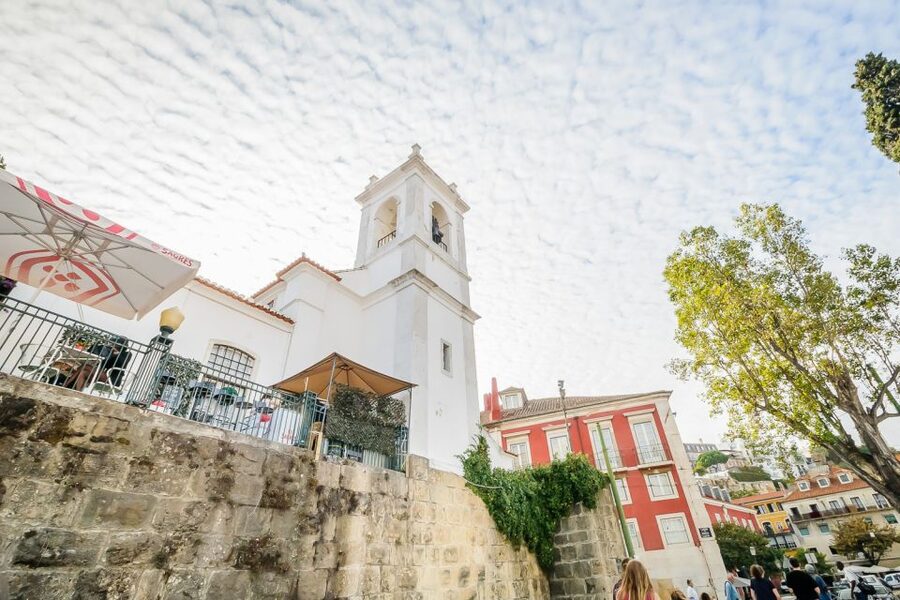
Next comes Chiado, one of Lisbon’s most elegant central districts. You’ll walk past old cafés, boutiques, theaters, and bookstores, with your guide explaining how this part of town fits into Lisbon’s cultural life.
Chiado is a good place to notice the city at street level. Rather than rushing from one famous monument to the next, you get a look at the places that make central Lisbon feel lived in. The area also provides a change of mood after the political weight of Carmo Square.
The route includes a pastel de nata, Portugal’s famous custard tart. This is a small treat, but it adds a useful local touch to a history walk. You can ask your guide about Portuguese food and get suggestions for other places to eat during your stay.
Food stops can vary in timing and setting, so do not book this tour expecting a full meal. The pastry is a snack, and the later tapa and wine tasting are also small portions. They are a pleasant part of the route, not a replacement for lunch.
Same base, a completely different sort of day:
- Lisbon City Center Tour – The Unmissable Lisbon
★ 5.0 · 22,234 reviews - Lisbon: Jerónimos Monastery Entrance Ticket
★ 4.1 · 14,164 reviews - Lisbon: Sunset Boat Party Cruise with DJ and Open Bar
★ 4.5 · 10,378 reviews - Lisbon: Oceanário de Lisboa Entrance Ticket
★ 4.6 · 9,943 reviews
Baixa and the practical lessons of the earthquake rebuild
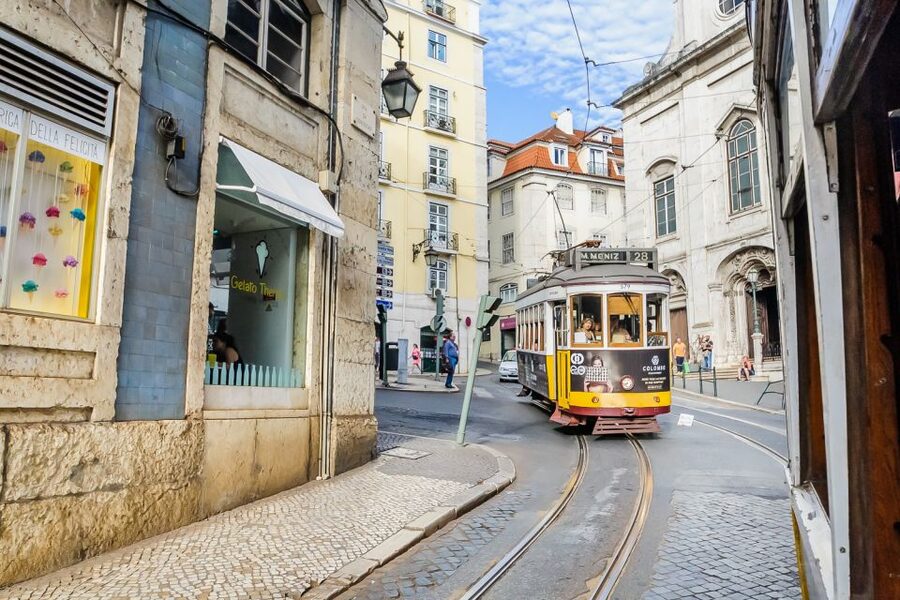
Baixa, or downtown Lisbon, is where the city’s rebuilding plan is easiest to read. After the earthquake, planners created wider, straighter streets and used new building methods designed to offer better protection against future shocks.
Your guide will point out the district’s orderly layout and explain the anti-seismic ideas behind it. This is the kind of detail that can slip past you when you are simply walking from one square to another. Once someone explains the plan, the downtown grid becomes much easier to understand.
I find Baixa especially valuable early in a Lisbon visit because it gives you a mental map. Rossio, Restauradores, Chiado, Praça do Comércio, and the routes toward Alfama stop feeling like separate sights. They become connected parts of one city center.
The drawback is that Baixa’s broad streets can make the walk feel less atmospheric than Alfama. Its value is in the planning, scale, and history, not in the maze-like character you get later in the tour.
Alfama’s narrow lanes and Fado traditions

The mood changes sharply in Alfama. You’ll wander through small squares, narrow lanes, and winding passages where the city feels much older and less planned.
The tour introduces Alfama’s Moorish connections and its long-established neighborhood character. You’ll also hear about Fado, Lisbon’s own musical style, while passing Fado restaurants tucked into the district.
This section is likely to be the most atmospheric part of the walk. It is also where comfortable footwear matters most. The route includes hills and uneven surfaces, and the narrow streets are better enjoyed when you are not worrying about sore feet.
A private guide helps here because Alfama is easy to experience as a confusing set of turns. You can ask about the Fado venues you pass, how the music fits into Lisbon culture, and which parts of the district might suit your evening plans.
Still, the tour does not include a Fado performance. You are learning about the tradition and seeing some of the places connected to it. If you want a full evening of music, ask your guide for suggestions and make a separate plan.
A local bar, wine, and a final look at Praça do Comércio
The included tasting stop adds a relaxed break near the end of the route. You’ll receive one tapa and a wine tasting at a local bar. The precise food may vary, but the idea is to sample something Portuguese while talking with your guide about the city.
This pause can make a real difference on a three-hour walk. It gives you a chance to sit or slow down, ask follow-up questions, and take stock of what you have seen. Several guests have described the food and drink stops as welcome surprises, alongside the pastry.
The route description places the final sightseeing stop at Praça do Comércio, the huge waterfront square that once served as the entrance hall to Lisbon. Its open scale is a fitting contrast to Alfama’s cramped lanes and Baixa’s regular blocks.
The meeting information also says the activity ends back at the starting point in Rossio. Because those details do not fully match, confirm the exact finishing arrangement after booking. This matters if you have a restaurant reservation, train, cruise transfer, or timed attraction afterward.
How the private format changes the experience
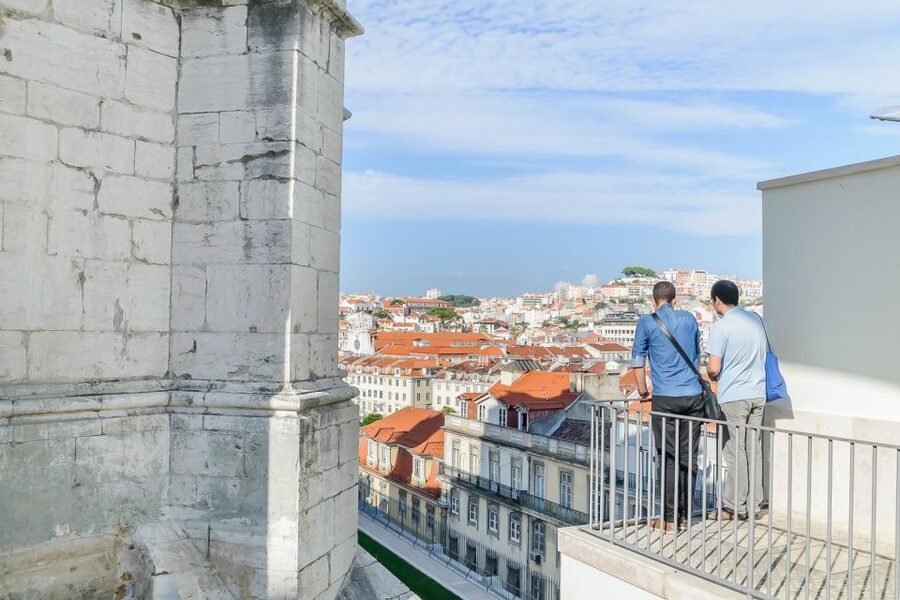
The group is private, so you are not walking with a large mixed crowd. That gives you more control over questions and pace. It also means the tour can work well for families, couples, and small groups with different interests.
The guide can spend more time on history if that is your priority, or shift toward food, shopping, transport, and evening plans. Pedro Osorio, for example, has been praised for helping with Metro directions and offering ideas for the rest of a Lisbon trip. Other guides, including Carolina, Beatriz, Raquel, and Tiago, have been noted for warmth, humor, and practical advice.
Families may find the personal approach helpful. One guide kept tired teenagers interested by limiting the amount of talking and adding humor. Another guide handled a group of six while answering questions and keeping everyone together.
The pace is not automatically gentle, though. The tour covers a lot in three hours. Older participants may manage it well if the pace is adjusted, but you should mention mobility concerns when arranging the tour. Comfortable shoes are essential, and pets are not allowed.
Language, timing, and pickup details
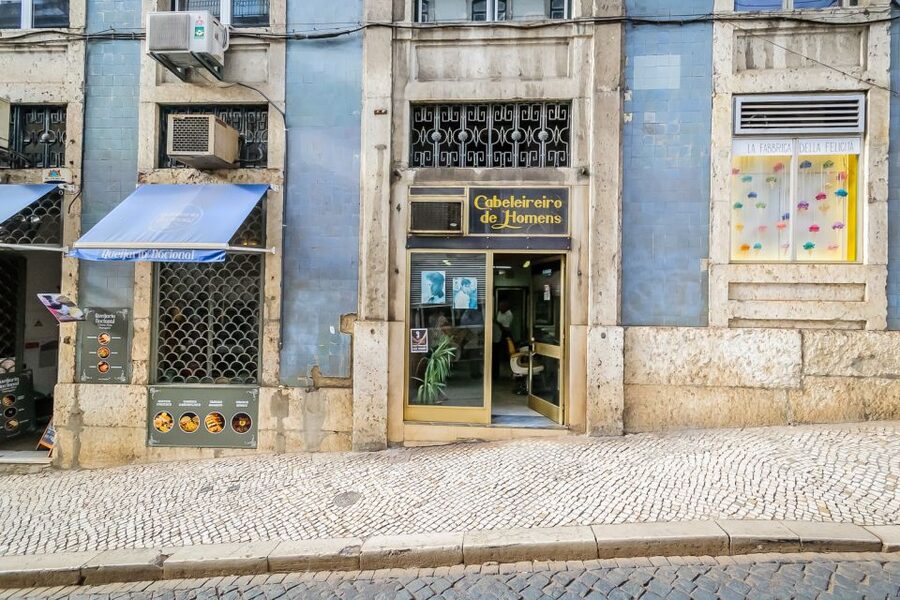
Live guiding is available in English, Spanish, and Portuguese. The guide assigned to you will depend on availability, so you should not assume you will receive a particular person such as João, Ines, Catarina, or Pedro.
The activity lasts three hours, with starting times shown according to availability. Hotel pickup is available from hotels in Lisbon’s city center. Otherwise, meet at Rossio Square by the Column of King Pedro IV.
Cruise passengers have some added flexibility. The tour operator can adjust the timing, remove lunch time, or shorten the walk to fit your time in Lisbon, but you need to contact the operator after booking to confirm that arrangement.
If you have just arrived from a long flight, consider choosing a later start. One family appreciated a guide who adjusted the tour earlier after an early arrival, while another had a shortened walk after a delayed meeting. Those examples show why clear timing matters, especially on arrival day.
Is $102 per person good value?
At $102 per person, this is not the cheapest way to see Lisbon. You are paying for a private guide rather than a basic group orientation, so the value depends on how much you use that personal attention.
The price includes the three-hour walking tour, a live guide, a pastel de nata, one tapa, and wine tasting. It does not include entry to monuments or guided visits inside them. There are no separate attraction tickets hidden in the price, but you should budget for any museums or churches you decide to visit afterward.
I think the price makes the most sense for a first visit, a small family group, or anyone who wants practical help as well as sightseeing. The guide can point out restaurants, shopping areas, Metro routes, and later activities. That advice may save you time during the rest of your stay.
For a large group splitting the cost, the private format can be more appealing. For a solo visitor focused only on taking photos of the main squares, a cheaper group walk may offer better value.
Who should book this Lisbon walk?
I would choose this tour at the start of a Lisbon stay. It gives you a working map of the center and introduces the city’s major themes before you visit places in greater detail.
It suits first-time visitors who want history without a long academic talk. It also works for families, since the guide can adjust the style and answer questions as they come up. Food-minded visitors will appreciate the pastry, tapa, and wine, though this is not a full food tour.
You should think twice if you dislike hills, uneven lanes, or a quick pace. You should also choose another activity if your main goal is extended time inside Carmo Church or other monuments, since admission and interior guiding are not included.
Cancellation is free up to 24 hours before the tour, and you can reserve now and pay later. Those terms are useful when your Lisbon schedule is still shifting.
Should you book it?
Book this private walk if you want a smart first look at Lisbon, a guide who can respond to your interests, and a route that connects the city’s central districts with Alfama. The strongest reasons are the citywide coverage, the clear explanation of the earthquake rebuild, the Carnation Revolution stop, and the practical advice you can use afterward.
Skip it if you want long monument visits, a dedicated Fado show, or a full meal. For most first-time visitors who can comfortably walk for three hours, the combination of history, neighborhoods, small tastings, and personal guidance makes the $102 price reasonable.
FAQ
Where does the Lisbon private walking tour start?
Meet at Praça Dom Pedro IV, also called Rossio Square, in front of the Column of King Pedro IV.
How long does the tour last?
The walking tour lasts three hours.
Where does the tour end?
The activity information says it ends back at the meeting point, while the route description identifies Praça do Comércio as the final sightseeing stop. Confirm the exact end point with the operator after booking.
What languages are available?
Live guiding is available in English, Spanish, and Portuguese.
Is this a private tour?
Yes. The activity is offered as a private group experience.
Is a pastel de nata included?
Yes. A Portuguese custard tart, or pastel de nata, is included.
Is food and wine included?
The tour includes one tapa and a wine tasting, along with the pastel de nata.
Are monument entrance tickets included?
No. Entrance tickets and guided visits inside monuments are not included.
Is hotel pickup available?
Pickup is available from hotels located in Lisbon city center.
Can cruise passengers request a different schedule?
Yes. Cruise passengers can request flexible timing, a shorter tour, or the removal of lunch time, but they must contact the tour operator after booking to confirm the arrangement.
The newest listings around Lisbon
- The Real Lisbon Street Art Private Guided Tour by Minivan★ 4.8 · 49 reviews
- Lisbon: Historical Walking Tour with Jeronimos Monastery★ 4.5 · 71 reviews
- Lisbon: Port Wine Tasting at Taylor’s Shop and Tasting Room★ 4.6 · 490 reviews
- Lisbon: Tagus River Cruise With Brunch★ 3.2 · 73 reviews
- South Lisbon: 3-Hour Christ the King Electric Bike Tour★ 4.8 · 97 reviews
- Oeiras Coast: Stand Up Paddleboarding near Lisbon★ 4.9 · 56 reviews
- Small Group Walking Tour of Belém★ 4.9 · 80 reviews
- Lisbon: 3-Hour Secret Food Tour★ 4.7 · 53 reviews
Walking Tours, compared.

Best of Lisbon Small-Group Guided Walking Tour
Read our review →
Porto Walking Tour, Lello Bookshop, River Cruise and Cable Car
Read our review →

Best of Lisbon Walking Tour: Rossio, Chiado & Alfama
Read our review →
Experience Porto’s Charm: 3-Hour Guided Walking Tour
Read our review →
Enjoy a Guided Levada Walk in the Rabaçal Valley
Read our review →Browse the lists this tour appears in