
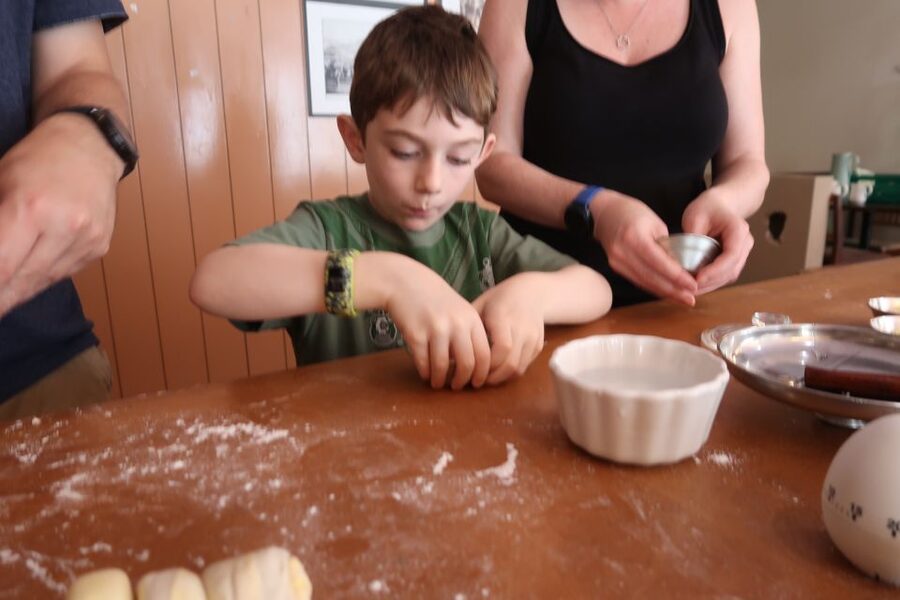
Reviewed · PASTEL DE NATA WORKSHOPS
Porto: Pastel de Nata Cooking Class with Grandma’s Recipe
Porto’s famous custard tart is best understood with flour on your hands and a warm batch in front of you. In Joana’s home, you make pastéis de nata from scratch, including the pastry and creamy filling, then sit down with coffee, tea, or juice to eat what you made.
I like the personal welcome and the fact that the recipe comes from Joana’s grandmother. I also like the fair price, $33 for two hours of instruction, ingredients, drinks, and pastries. The main catch is location: the home is about 10 minutes by car from central Porto, so your transport adds time and possibly cost.
- Grandmother’s recipe: Learn a family method rather than simply watching a pastry demonstration.
- Hands-on pastry work: The class includes the dough and custard, not only a pre-made assembly step.
- Small-group setting: Up to 10 people work in a cozy home kitchen, with everyone given a role.
- Warm finish: Eat the fresh tarts around the table with coffee, tea, orange juice, and sometimes Port wine.
- Easy but outside the center: Bolt or Uber is quickest, while buses and the metro offer cheaper options.
- A useful souvenir: You leave with new baking skills, the recipe, and local Porto suggestions from Joana.
A grandmother’s recipe in a Porto home
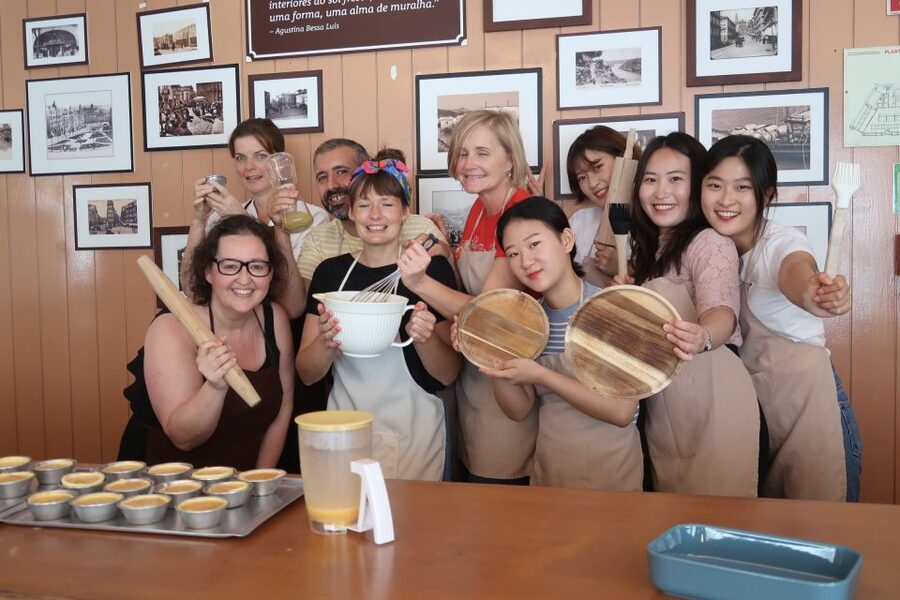
This class begins with a welcome, not a lecture. Joana invites you into her home, introduces herself, and shares something about her family before the baking starts. That small opening matters. You are not entering a commercial kitchen with a scripted show. You are being hosted in a local apartment, and the family recipe gives the class a personal thread.
The home is described as bright, comfortable, and carefully arranged for the session. Several people singled out the welcoming feel, the clean kitchen, and the attractive table setup. Music from a record player may be part of the scene, adding to the relaxed mood without turning the class into a staged performance.
You should expect clear English instruction throughout. Joana’s approach is patient and friendly, which helps if you rarely bake. It also works for confident cooks. One experienced baker found the class worthwhile, while complete beginners were able to follow the steps without feeling rushed.
Two hours of pastry, custard, and shared work
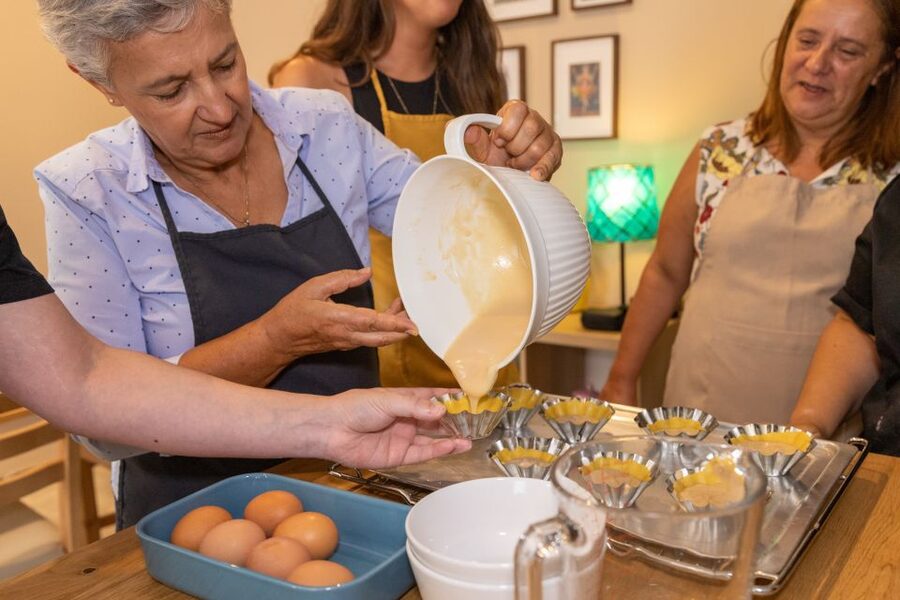
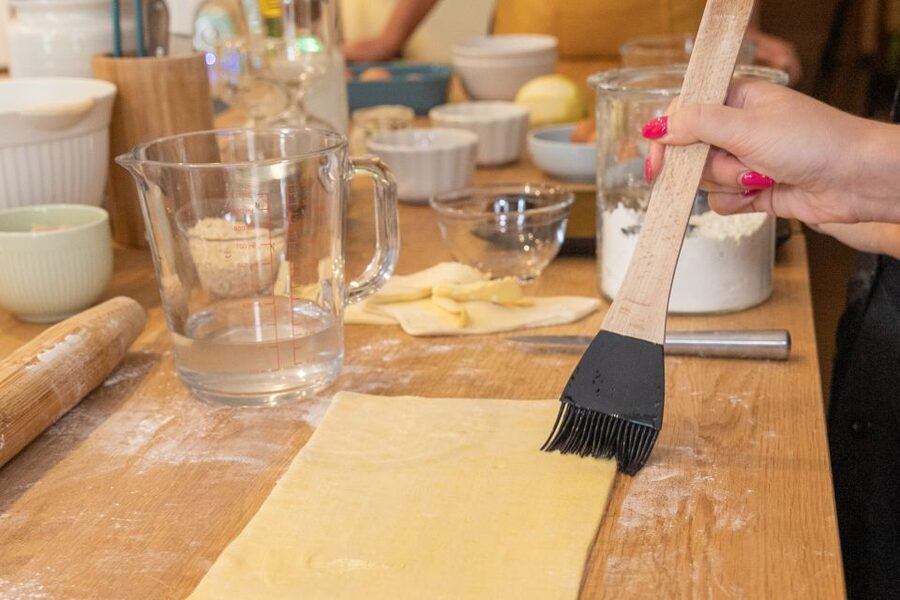
The class covers the two parts that make a good pastel de nata: the flaky pastry shell and the custard filling. This is important because some pastry classes prepare the dough before you arrive, leaving you to fill and bake ready-made shells. Here, you take part in the dough-making process as well as the custard.
The pastry takes care and timing. You will work through the stages with guidance, learning how the dough becomes thin and layered before it goes into the molds. The custard needs its own attention, with a focus on achieving the smooth, creamy texture that makes the tart work.
In a group of up to 10, you will not necessarily handle every single motion from start to finish. The class uses a rotation system, and people may work in two teams so everyone contributes. That keeps the session moving, but it also means you may watch some steps rather than perform each one yourself. If hands-on time is your top priority, ask Joana at the start how the group will divide the work.
This is a good tradeoff for a two-hour class. The process has enough detail to teach you something useful, yet the schedule still leaves time for baking and sitting down together. One practical point from the experience is that making both the dough and custard can leave limited time for every person to repeat every step. Even so, Joana’s demonstrations and rotation system keep the class active.
More Cooking Classes in Porto
- Porto: Pastel de Nata Cooking Class with Port Wine – Sé
★ 4.8 · 888 reviews - Porto: Pastel de Nata Cooking Class from Scratch
★ 4.9 · 468 reviews - Porto: Pastel de Nata Cooking Class with Porto Wine (Sé do Porto)
★ 5.0 · 340 reviews
Why the pastry matters in Portugal
Pastel de nata is more than a pretty dessert on a café counter. It is one of Portugal’s defining baked treats, known for crisp pastry, soft custard, and a browned top. In Porto, you will find tarts in bakeries across the city, but a cooking class shows you the work behind the quick snack.
Joana’s grandmother’s recipe gives you a family connection rather than a generic internet formula. The cultural value is not only in learning the ingredients. It is in hearing about Joana, her family, and the place this pastry has in Portuguese home cooking.
That personal context is one reason I would choose this over a purely technical baking lesson. You still learn practical skills, but the class also gives you a reason to remember the recipe. Several participants received the recipe afterward, making it possible to try the tarts at home instead of leaving the experience at the kitchen table.
A calm class for beginners and experienced bakers
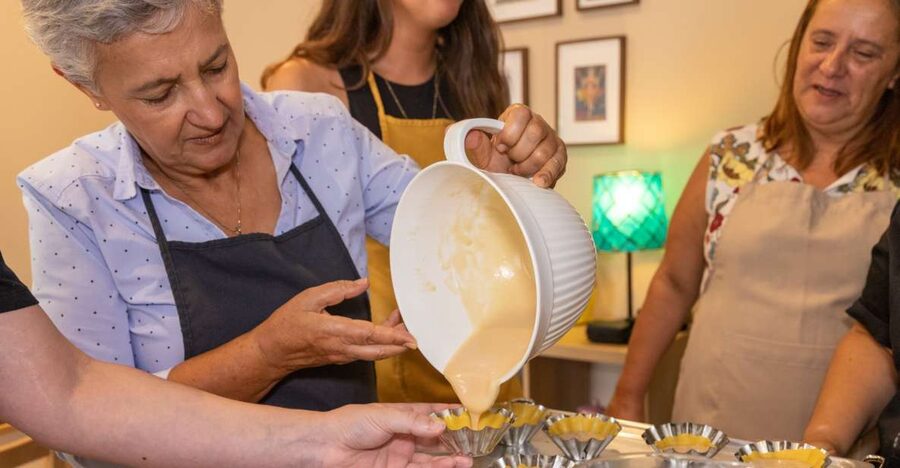
The tone here is gentle and social. Joana explains the process step by step, checks that everyone understands, and makes an effort to include the whole group. That is especially helpful when some people are comfortable with pastry and others have little baking experience.
The class suits solo visitors particularly well. You can arrive on your own and still have a natural way to meet people, since the work is shared and the final meal creates time for conversation. Couples, friends, and families with adult children also fit comfortably into the format.
You should not expect an advanced pastry-school course. The aim is a friendly introduction to a Portuguese specialty, not a professional qualification. If you already bake often, you may find the basic instruction familiar, but the family recipe, the home setting, and the chance to make the pastry from scratch still give the session character.
The kitchen is a practical setting rather than a large teaching studio. That helps create the home atmosphere, but it can also make the group feel busy when all 10 people are involved. The rotation system is there for a reason. Take turns, watch closely, and ask questions when Joana moves between groups.
The best part: warm tarts at the table
Once the pastéis come out of the oven, the pace changes. The class moves from work to reward, with everyone gathering around a prepared table. You eat the tarts fresh, when the pastry is still crisp and the custard is warm and creamy.
Drinks include coffee, tea, and orange juice. One session also included Port wine, though the listed inclusions specify non-alcoholic drinks, so you should not book expecting alcohol. The pastry itself is the main treat.
This final table time is more than a snack break. It lets you compare results, trade Porto tips, and talk with people from different places. The shared meal gives the class a natural ending instead of sending you out the door as soon as the oven work is done.
Several especially useful details come through in the experience. Joana has offered food recommendations around Porto, and the informal conversation can help you decide what to eat next. If your trip includes a rainy afternoon, this is a sensible indoor plan that still connects you with local food and daily life.
More Pastel de Nata Workshops in Porto
- Porto: Pastel de Nata Pastry-Making Workshop
★ 4.9 · 1,542 reviews - Porto center- Workshop “A nata do BJ” making pasteis de nata
★ 4.9 · 79 reviews
Getting there from central Porto
The class takes place in a home roughly 10 minutes by car from Porto city center. This is not a central Ribeira activity, so build transport into your schedule.
Bolt or Uber is the quickest choice. The price is also practical for a group: if you are traveling with more than two people, sharing a car can be the fastest and cheapest option. One person found the location added about 12 euros for an Uber ride, so the $33 activity price is not the complete door-to-door cost for everyone.
You have public transport options:
- From Bolhão, bus 800 or 801 takes about 20 minutes directly to a stop across from the house.
- Bus tickets can be bought on board, but you need coins.
- From Trindade, take the Orange Metro Line directly to Fânzeres. The ride takes about 30 minutes, followed by a walk of about 700 meters, or roughly 10 minutes.
- If you drive, free street parking is available.
When you reach the address, ring the bell marked 2 Andar. The host waits inside her home. Check your meeting instructions carefully before leaving, since this is a residential address rather than a standard shop or tour office.
Is $33 a good value?
For $33, you receive a two-hour guided class, ingredients, utensils, drinks, and the finished pastries. I consider that strong value, especially because the class includes the pastry dough rather than relying only on prepared shells.
The real value is also in what you take home. You gain a recipe, a repeatable method, and a better sense of why the pastry has several careful stages. Joana may also share Porto food recommendations, which adds practical help for the rest of your visit.
The price looks less impressive if you are measuring only the number of tarts you eat. You can buy a pastel de nata cheaply at a bakery. This class makes sense because you are paying for instruction, a family connection, the home setting, and a social meal, not simply dessert.
Remember to add transport. The metro and bus keep the total lower, but both require more time than a car. If you have a full sightseeing day planned in central Porto, the journey out and back may make the class less convenient.
Who should book this class?
I would choose this experience if you want food with a personal story. It is especially well suited to:
- First-time visitors who want more than a standard bakery stop.
- Solo visitors looking for a friendly small-group activity.
- Couples and families who enjoy cooking together.
- Beginners who want patient guidance.
- Experienced home bakers curious about a Portuguese version of a familiar pastry.
- Anyone needing a two-hour indoor activity on a wet day.
It is less suitable if you want to stay within Porto’s historic center, avoid group activities, or spend the whole session baking independently. The group can include up to 10 people, and not everyone will perform every step personally.
Wheelchair users should note that the activity is not suitable for wheelchair access. The listed language is English, and transport is not included.
Booking and timing tips
The class lasts two hours, with starting times varying by availability. Plan to arrive with enough time for the ride, particularly if you use the metro and walk from Fânzeres.
I would use Bolt or Uber if you are a group of three or more. If you are alone and watching costs, the bus from Bolhão is direct, but remember the coin-only ticket detail. The metro offers another direct route from Trindade, though it requires a walk at the other end.
The activity allows free cancellation up to 24 hours before the start time. You can also reserve now and pay later, which helps if your Porto schedule is still changing.
Should you book Joana’s pastel de nata class?
Book it if you want to meet a local host, learn a family recipe, and eat warm pastries in a home rather than simply sampling one at a bakery. Joana’s patient teaching, careful organization, and personal welcome are the main reasons this class receives such strong praise.
The decision comes down to location and style. You will leave central Porto, share the work with a group, and sometimes watch while another participant handles a step. In return, you get a hands-on lesson, the full pastry process, a recipe to use later, and an easy table conversation over fresh tarts.
For $33, I think it is one of the better-value food activities in the Porto area, provided you are happy to add a short journey to the price and schedule.
FAQ
How long does the pastel de nata class last?
The class lasts two hours.
How much does the activity cost?
The listed price is $33 per person.
Where does the class take place?
It takes place in Joana’s home, about 10 minutes by car from Porto city center.
What is included in the price?
Ingredients, cooking utensils, guided instruction, non-alcoholic drinks, and pastries are included.
How do I reach the host’s home?
You can use Bolt or Uber, take bus 800 or 801 from Bolhão, or take the Orange Metro Line from Trindade to Fânzeres and walk about 700 meters.
How many people can join the class?
It is a small-group activity limited to 10 participants.
Is the activity suitable for wheelchair users?
No. The activity is not suitable for wheelchair users.
The newest listings around Porto
- Canyoning Tour From Porto★ 5.0 · 79 reviews
- Porto: Tuk tuk Tours with Port Wine Tasting★ 4.5 · 65 reviews
- The Beautiful Story of Porto: Guided Tour with Entry Tickets★ 4.8 · 111 reviews
- Porto: Small Group Surfing Experience with Transportation★ 4.9 · 40 reviews
- Porto: Royal Oporto Tour na Real Companhia Velha★ 4.8 · 395 reviews
- Porto: WOW Daily Ticket★ 4.7 · 42 reviews
- Porto: 6 Bridges Port Wine River Cruise with 4 Tastings★ 4.8 · 182 reviews
- Porto Wine Tasting Experience with Portuguese Tapas Plate★ 4.7 · 356 reviews
Pastel de Nata Workshops, compared.
Pastel de Nata Cooking Class with Port Wine – Sé
Read our review →
Pastel de Nata Masterclass at a Real Bakery in Downtown Lisbon
Read our review →
Pastel de Nata Pastry Class: Bake and Enjoy Your Own Treats
Read our review →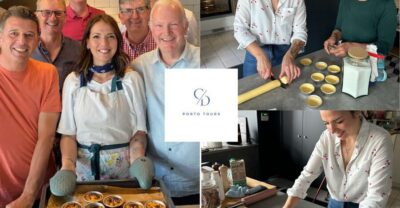

Pastel de Nata Cooking Class with Porto Wine (Sé do Porto)
Read our review →Browse the lists this tour appears in