

Reviewed · FOOD & DRINK
Lisbon: Food and Culture 3-Hour Walking Tour
Lisbon’s food tells its story one small plate at a time. On this three-hour walk, you move from a traditional tavern to a former monastery brewery, an old café, a 17th-century palace, and possibly a fado tavern, tasting the city as you go. The stops are more than places to eat. They show how Lisbon’s working-class cooking, café culture, southern Portuguese traditions, and colonial-era city life fit together.
I like the variety of venues, especially the chance to eat in Casa do Alentejo, an ornate palace now used as a restaurant. I also like that the guide connects each dish to local history instead of treating the food as a string of unrelated samples. The main consideration is mobility: this is a walking tour through central Lisbon and is not suitable for people with mobility impairments.
Key points at a glance
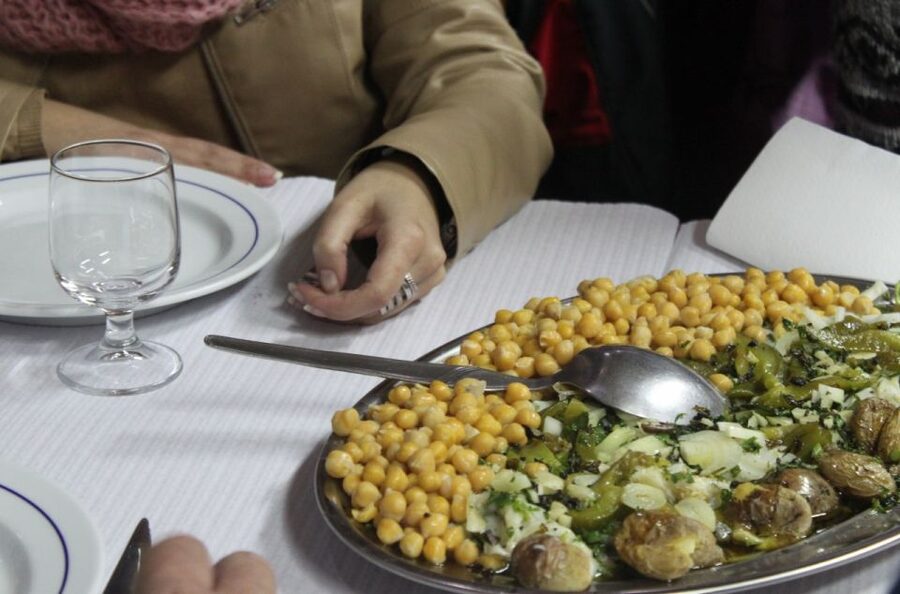
- Four tastings across up to five venues: The route may include a tavern, former monastery brewery, café, palace restaurant, pastry shop, or fado bar.
- Traditional dishes with a story: Expect cod, tuna, pork liver, octopus, chickpeas, pastries, coffee, or ginjinha.
- Casa do Alentejo is a highlight: You visit a lavish 17th-century palace and taste food from southern Portugal.
- Guides shape the experience: Claudio, Nina, and Fatima have led this walk, with a friendly, conversational approach.
- A generous three-hour format: Lunch or dinner and four food tastings are included in the $93 price.
- Central starting point: Meet outside Café A Brasileira on Rua Garrett, near the Baixa-Chiado metro station.
Starting at Café A Brasileira in Chiado
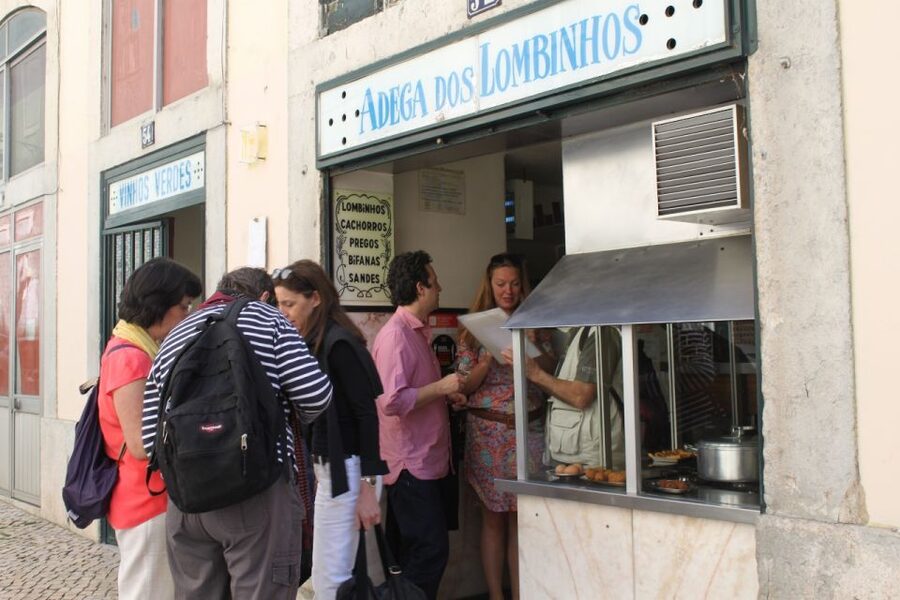
You meet at Café A Brasileira, Rua Garrett 120, in Lisbon’s Chiado district. The café is close to the Baixa-Chiado metro station, which makes the starting point practical if you are staying in or near the central neighborhoods.
Chiado is a good place to begin a food walk. It links the commercial streets around Baixa with the older lanes and historic squares climbing toward Bairro Alto. From here, the guide can give you a useful sense of how Lisbon’s food culture changes from one street and neighborhood to the next.
The meeting point is easy enough to find, but allow a little extra time. Café A Brasileira is a well-known Lisbon landmark, and the surrounding streets can be busy. Wear comfortable clothing and shoes. The tour lasts three hours, and you will be walking between eating stops rather than sitting in one restaurant throughout.
The tour is offered in English or German. The named guides connected with recent departures include Claudio, Nina, and Fatima. Their approaches may differ, but the common thread is a personal tour built around conversation, local places, and questions. That matters if you want restaurant suggestions for later in your stay. One of the useful features of the experience is that the guide can point you toward other shops and restaurants beyond the scheduled tastings.
More Walking Tours in Lisbon
- Lisbon: History, Stories and Lifestyle Walking Tour
★ 4.8 · 10,902 reviews - Best of Lisbon Small-Group Guided Walking Tour
★ 5.0 · 4,869 reviews - Lisbon: Food and Wine Small Group Walking Tour
★ 4.9 · 4,082 reviews
Rua das Flores Tavern and Lisbon’s traditional plates
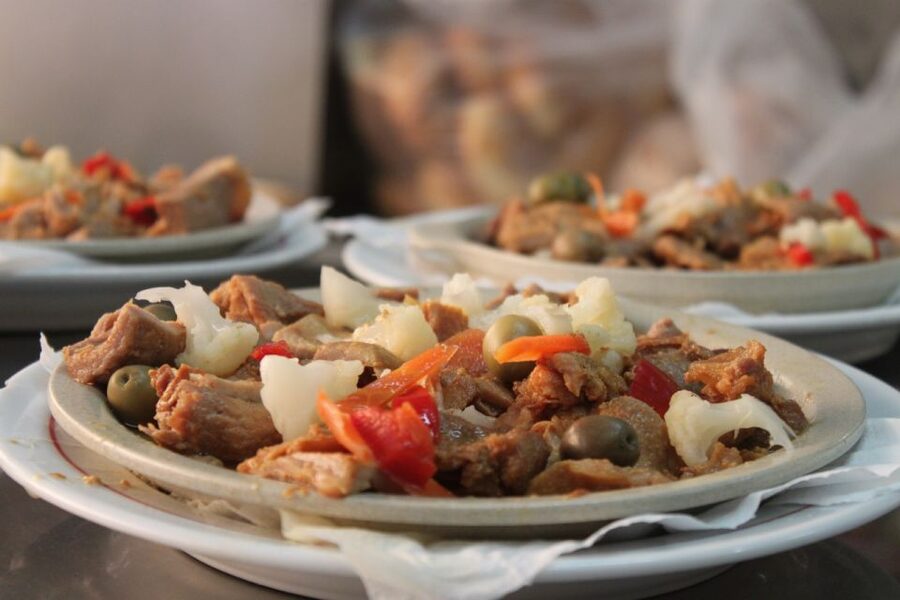
One early stop is Rua das Flores Tavern, an old-style place with a short, seasonal menu. The food can include cod, tuna, and iscas, a traditional dish made with pork liver. You taste what is being served that day, so this stop has a little more local character than a fixed menu designed for tourists.
Cod is central to Portuguese cooking, even though Portugal’s famous salt cod is not caught in Portuguese waters. It became a practical food because salting and drying preserved it for long journeys and leaner times. A dish built around cod gives the guide a natural way to explain Portugal’s seafaring past and the everyday habits that shaped the national kitchen.
The pork liver dish offers a different angle. It is not the safest choice for every palate, but that is part of the point. Food tours are most useful when they introduce you to dishes you might not order on your own. If you already know you dislike liver, ask the guide what alternatives are available that day. The menu is seasonal and short, so the exact tasting can change.
This stop is also a reminder that Portuguese food is not only grilled fish and custard tarts. It includes strong, direct flavors and humble cuts of meat. You get a better feel for Lisbon by trying at least one dish tied to ordinary local cooking.
Trindade beerhouse in a former monastery
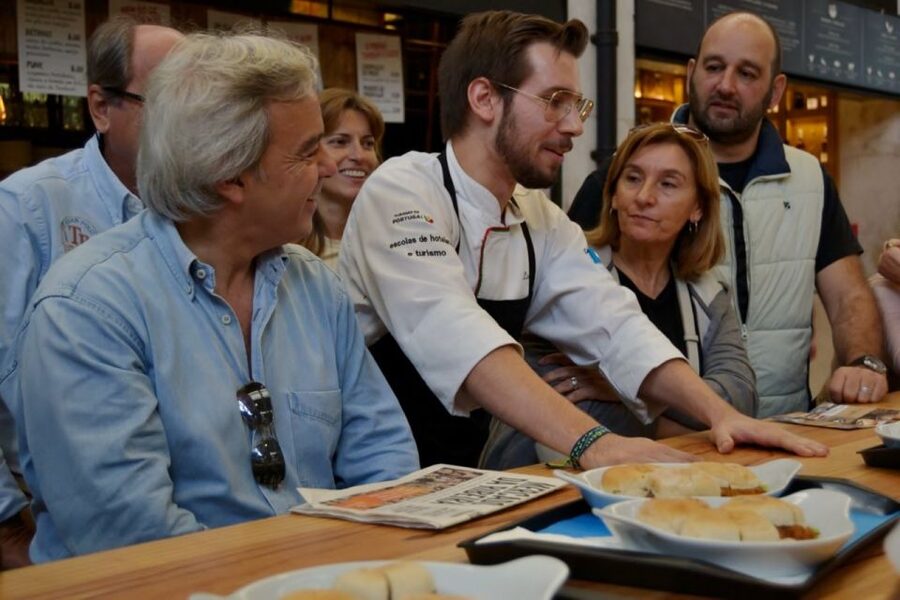
Next comes Trindade, described as the first Portuguese brewery and now a restaurant in a former monastery. The setting gives the stop some visual interest, but the food and drink are the main reason to pay attention here.
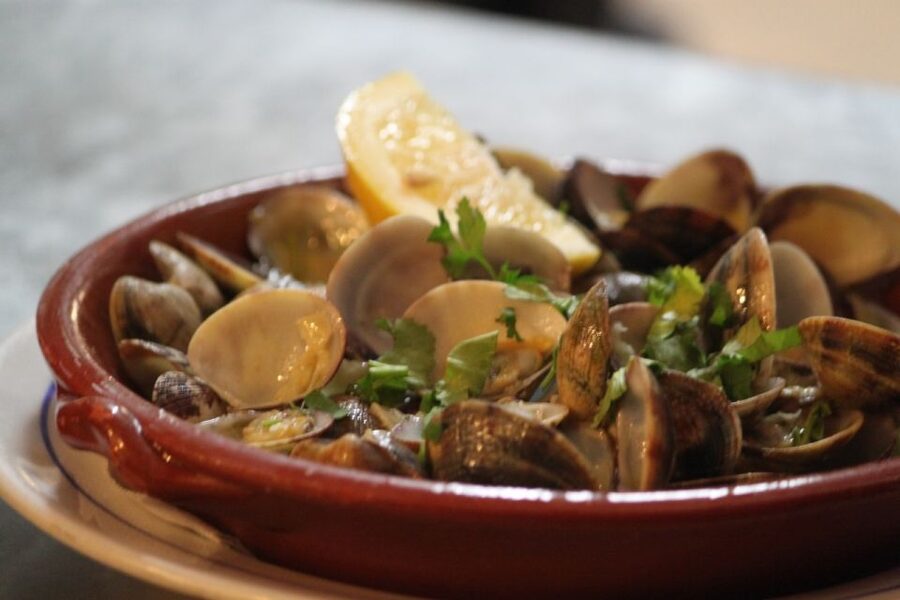
You sample one of Lisbon’s well-known snack combinations, described as sprat, octopus, and cod mixed with chickpeas and served with beer. The dish brings together seafood, legumes, and a cold drink in a way that feels more like a generous bar snack than a formal restaurant course.
The former monastery and brewery setting also help explain how old buildings in Lisbon keep changing purpose. A religious building can become a brewery, then a restaurant, while still carrying traces of the city’s earlier life. The guide can connect the room and its food to Lisbon’s social habits, especially the role of taverns and beerhouses as places to eat, meet, and linger.
This is one reason I prefer a food walk with several modest stops to a single long meal. You can compare the atmosphere of a tavern, brewery, café, and palace in one afternoon. The tradeoff is that you may not control every dish served. The route is designed around what each venue offers, not around a personal menu chosen in advance.
Pastéis Lisboa at Café Lisboa
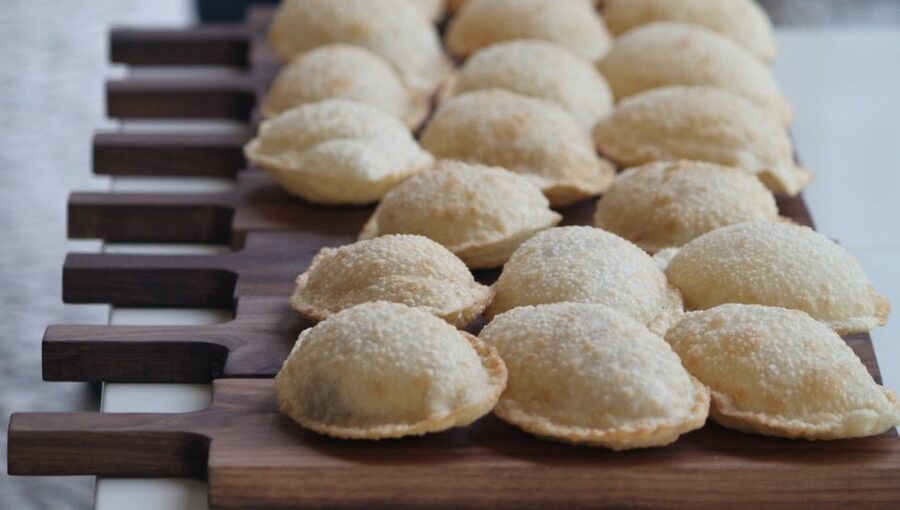
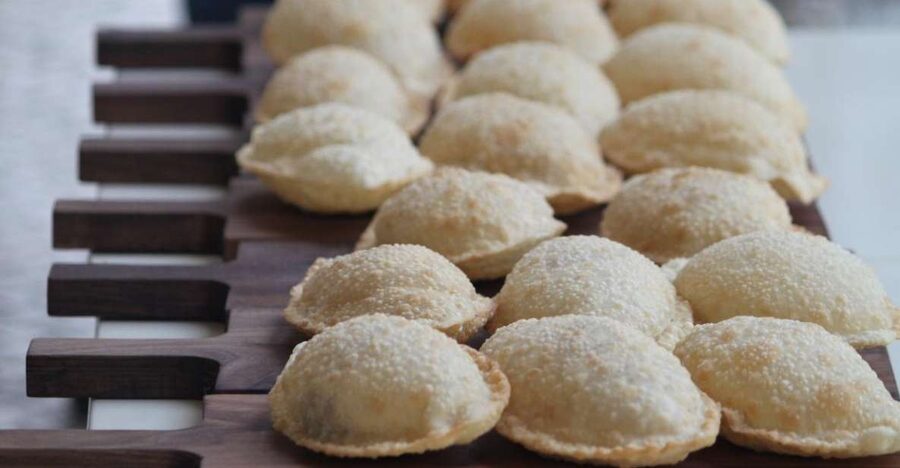
The pastry stop brings a change of pace. At Café Lisboa, you try a crumbly Pastel Lisboa. It is a sweet pause after the savory seafood and meat dishes, and it shows how Lisbon’s café culture has its own place in the city’s food story.
The texture is part of the appeal. The pastry is described as crumbly, so take your time with it rather than trying to eat it while walking. This is a café stop, not just a quick sugar hit. You get to see how pastries and coffee fit into the rhythm of daily life in Lisbon.
If you are comparing this experience with a standard pastry tour, note the difference in focus. The pastry is only one part of a much broader meal. You will not spend the whole three hours sampling sweets. Instead, the pastry gives you a brief look at Lisbon’s café traditions before the route moves into a more elaborate historic setting.
Same base, a completely different sort of day:
- Lisbon City Center Tour – The Unmissable Lisbon
★ 5.0 · 22,234 reviews - Lisbon: Jerónimos Monastery Entrance Ticket
★ 4.1 · 14,164 reviews - Lisbon: Sunset Boat Party Cruise with DJ and Open Bar
★ 4.5 · 10,378 reviews - Lisbon: Oceanário de Lisboa Entrance Ticket
★ 4.6 · 9,943 reviews
Casa do Alentejo and the food of southern Portugal
Casa do Alentejo is likely the most memorable setting on the route. This 17th-century Moorish palace is now one of Lisbon’s most refined restaurants, with extravagant decoration that makes the meal feel like a change of scene.
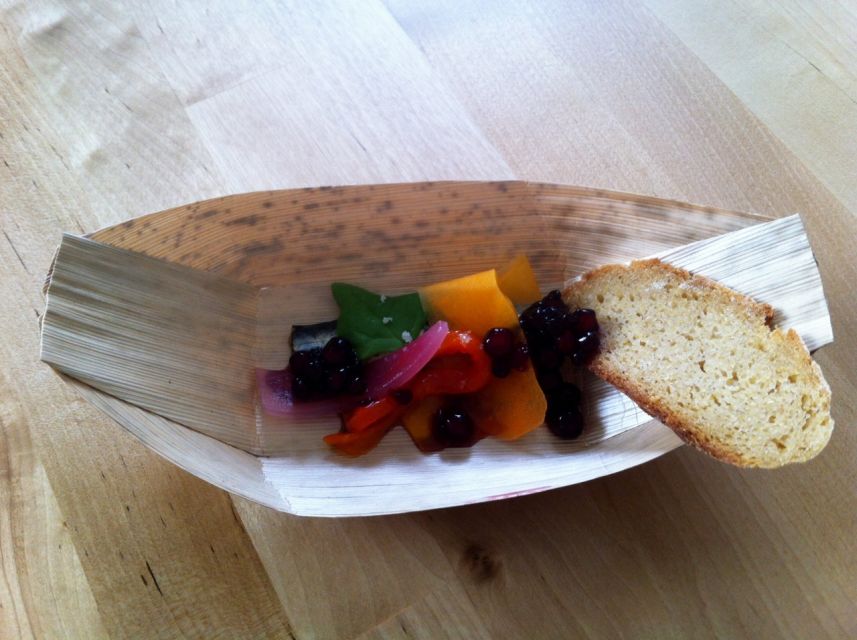
The food here comes from Alentejo, the region south and east of Lisbon. Traditional cooking from this area relies heavily on bread and aromatic herbs. That may sound simple, but it reflects a style of cooking that makes careful use of basic ingredients, broth, seasoning, and texture.
This stop adds useful regional context. Lisbon is Portugal’s capital, but its food is shaped by the country around it. A dish from Alentejo gives you a taste of southern Portugal without requiring a separate day trip. It also helps you understand why bread appears so often in Portuguese cooking. In a country with a long rural tradition, bread was not merely a side dish. It could provide the body of a meal.
The palace setting is a bonus, but do not expect the whole tour to feel formal. The experience moves between ordinary tavern food, beerhouse snacks, café sweets, and this grand restaurant. That contrast is the strength of the route. You see that Lisbon’s food culture can be plain and hearty in one place, decorative and ceremonial in another.
Confeitaria Nacional or a taste of fado
The final part of the experience can take one of two directions. One option is Confeitaria Nacional, described as Lisbon’s oldest establishment of its kind. There, you taste a traditional custard tartlet with coffee.
A custard tart is an essential Lisbon taste, but the setting matters. Confeitaria Nacional represents the city’s long pastry tradition and the habit of stopping for coffee and something sweet. The combination of a warm drink and a small tart is simple, but it makes a fitting finish after several savory tastings.
The alternative is Amigos da Severa, an old tavern where you may hear live fado and drink ginjinha, Lisbon’s cherry liqueur. This version gives the tour a stronger music and nightlife flavor. Fado is closely tied to Lisbon’s emotional identity, and a tavern setting is a natural place to hear it.
These are different endings, so check what is planned when you book or meet your guide. Confeitaria Nacional is better for a classic café finish. Amigos da Severa is better if you want music, atmosphere, and a small glass of local liqueur. The supplied details do not guarantee that both stops are included, so do not assume you will visit both.
How much food do you actually get?
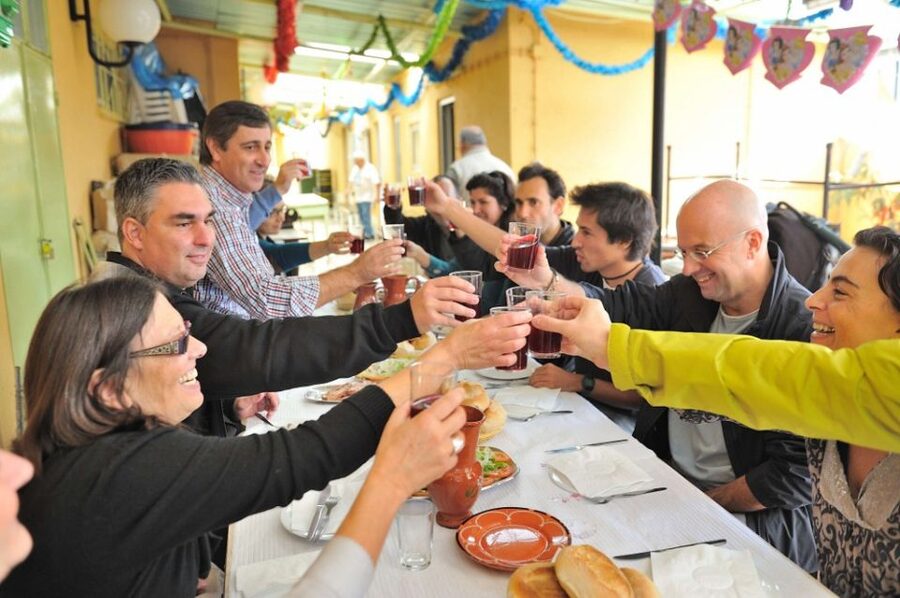
The price is $93 per person. That is not cheap for three hours, but lunch or dinner and four food tastings are included, along with the guide. You are also paying for access to several distinct venues and for the explanation tying the food to Lisbon’s past.
The portions appear to be substantial enough to replace a meal. One participant specifically noted that there was enough food to feel full even without breakfast. I would still avoid arriving overly hungry or treating this as an all-you-can-eat event. The route is about tasting a sequence of traditional foods, not ordering full portions from every menu.
The value is strongest if you want help choosing what to eat during the rest of your stay. A guide can explain unfamiliar dishes, tell you which flavors are typical, and suggest other local places. If you are only looking for the lowest-cost way to sample a custard tart and cod, $93 will feel high. If you value a guided meal, four tastings, several historic venues, and cultural context, the price is more reasonable.
The guide makes the difference
The best feedback about this experience centers on the guides. Claudio is described as authentic, warm, and easy to connect with. Nina is credited with explaining local venues and regional dishes clearly. Fatima is described as offering helpful city advice and making the walk feel like time spent with a friendly local relative.
That does not mean every departure will feel identical. A food tour depends on the person leading it, the day’s menu, and the group. Still, the repeated praise for the guides suggests that the human side of the experience is a major strength.
You should ask questions. Ask about dishes you see elsewhere in Lisbon, shops worth visiting, or foods from regions you plan to visit next. The tour works best when you treat it as a conversation rather than a lecture. Families may appreciate this format because there is room to ask many questions about both the food and the city.
The walk is offered in English and German. If you need another language, this is not the right choice based on the information provided.
Who should book this Lisbon food walk?
I would choose this tour if you are visiting Lisbon for the first time and want a fast introduction to Portuguese food beyond the usual tourist checklist. It suits curious eaters who want to try cod, octopus, pork liver, regional bread-based dishes, pastries, and cherry liqueur in one outing.
It is also a good pick for anyone who enjoys history through buildings and meals. The former monastery brewery and Casa do Alentejo give the food a physical setting, while the guide explains why the dishes belong in Lisbon.
Families and small groups may like the conversational style, especially if you have lots of questions. The tour can also work early in your visit, since the restaurant tips and food guidance may help with later meals.
I would hesitate if you have serious mobility limitations, since the experience is not suitable for people with mobility impairments. I would also think twice if you require a fixed menu, avoid several strong or unfamiliar foods, or prefer to spend three hours in one elegant restaurant. The menu is seasonal, and the final stop may vary between pastry and fado.
Practical details before you reserve
The tour lasts three hours and starts at Café A Brasileira, Rua Garrett 120, near Baixa-Chiado metro station. Transfers to and from the meeting point are not included, so you need to make your own way there.
Bring comfortable clothes and shoes. The experience combines walking, standing, and sitting at food venues, and the central streets may include uneven surfaces or slopes.
You can cancel up to 24 hours before the start for a full refund. You can also reserve now and pay later, which is useful if your Lisbon schedule is still changing.
The experience has a 4.7 rating from 95 reviews, but the useful point is not the number alone. The consistent praise focuses on the guides, the amount of food, the cultural explanations, and the practical tips for other places to eat.
Should you book it?
Book this tour if you want Lisbon explained through real dishes and old places, not just a checklist of landmarks. The strongest reasons are the mix of venues, the chance to eat at Casa do Alentejo, and guides such as Claudio, Nina, and Fatima who appear to make the walk personal and useful.
Skip it if walking is difficult, if you need complete control over every dish, or if $93 feels too high for a meal with several tastings. For everyone else, this is a well-rounded first taste of Lisbon, with enough food to count as lunch or dinner and enough local context to improve the rest of your stay.
FAQ
How long is the Lisbon food and culture tour?
The tour lasts three hours.
Where does the tour meet?
The meeting point is Café A Brasileira at Rua Garrett 120, Largo do Chiado, near the Baixa-Chiado metro station in Lisbon.
What languages are available?
The live guide is available in English or German.
Is lunch or dinner included?
Yes. Lunch or dinner is included, along with four food tastings.
What foods might I taste?
Possible tastings include cod, tuna, pork liver, sprat, octopus, chickpeas, a Pastel Lisboa, southern Portuguese dishes, a custard tartlet, coffee, or ginjinha. The exact food can vary by venue and the menu of the day.
Will the tour visit Casa do Alentejo?
The experience includes a visit to Casa do Alentejo, a 17th-century palace that now operates as a restaurant, where you taste traditional food from southern Portugal.
Is the tour suitable for people with mobility impairments?
No. The tour is not suitable for people with mobility impairments. Comfortable clothes are recommended.
What happens if I need to cancel?
You can cancel up to 24 hours in advance for a full refund. Reserve now and pay later is also available.
More Food and Drink in Lisbon
- Winner 2025 Undiscovered Lisbon Food & Wine Tour by Eating Europe
★ 5.0 · 6,390 reviews - Lisbon Small-Group Food Tour with 18 Tastings in Alfama District
★ 5.0 · 1,967 reviews - Lisbon: Baixa District Food Tour with Dinner and Drinks
★ 4.9 · 1,870 reviews - Devour Lisbon: The Ultimate Portuguese Food Tour
★ 5.0 · 1,782 reviews
More 3-Hour Experiences in Lisbon
- Lisbon: 3-Hour Tour by E-Bike
★ 4.8 · 1,150 reviews - 3-Hour Lisbon 7 Hills Electric Bike Tour
★ 5.0 · 818 reviews - Lisbon: 3-Hour The Slave Trade – An Historical Walking Tour
★ 4.9 · 179 reviews - Lisbon: 3-Hour Segway Sailor Tour to Belém
★ 4.9 · 140 reviews
The newest listings around Lisbon
- The Real Lisbon Street Art Private Guided Tour by Minivan★ 4.8 · 49 reviews
- Lisbon: Historical Walking Tour with Jeronimos Monastery★ 4.5 · 71 reviews
- Lisbon: Port Wine Tasting at Taylor’s Shop and Tasting Room★ 4.6 · 490 reviews
- Lisbon: Tagus River Cruise With Brunch★ 3.2 · 73 reviews
- South Lisbon: 3-Hour Christ the King Electric Bike Tour★ 4.8 · 97 reviews
- Oeiras Coast: Stand Up Paddleboarding near Lisbon★ 4.9 · 56 reviews
- Small Group Walking Tour of Belém★ 4.9 · 80 reviews
- Lisbon: 3-Hour Secret Food Tour★ 4.7 · 53 reviews
Food & Drink, compared.
Douro Valley w/ Boat Tour, Wine Tasting & Lunch
Read our review →
Winner 2025 Undiscovered Lisbon Food & Wine Tour by Eating Europe
Read our review →
Cálem Cellar Tour, Interactive Museum & Wine Tasting
Read our review →

Douro Valley Small-Group Tour with Wine Tasting, Lunch and Boat
Read our review →

Browse the lists this tour appears in