
Reviewed · WORKSHOPS
Lisbon: Azulejos’ Design Create Your Own Tile Workshop
The best part of this Lisbon workshop is that your azulejo is not picked from a shelf. You create the pattern yourself, then leave with the finished ceramic tile before the afternoon is over. The Formettes drawing method gives you a clear starting point, so you can make something appealing even if your artistic confidence is low.
I like the calm, personal setting in Agathe’s studio, and I like the clever production process that turns a paper design into a finished tile so quickly. The main thing to consider is the age rule: this activity is not suitable for children under 10, and two and a half hours of drawing and painting may feel long if you want a fast sightseeing stop.
Key Points at a Glance

- Create a personal Lisbon keepsake: You design the pattern instead of choosing a mass-produced souvenir.
- No drawing background needed: The Formettes tool helps you build a pattern step by step.
- Finish with watercolor: Pencil, fine black marker, and watercolor give the design its final look.
- Take the tile home immediately: A thermal press transfers the prepared design onto a 10cm by 10cm ceramic tile.
- Work in a small, friendly setting: Private and small-group options are available, with French, English, and Portuguese spoken.
- Expect useful guidance from Agathe: She explains the process patiently and helps you improve the design without taking over.
Why Azulejos Matter in Lisbon

Azulejos are one of the details that give Lisbon its unmistakable character. You see patterned ceramic tiles on building facades, inside churches, around stairways, and in older public spaces. Some are simple geometric designs. Others form large scenes or repeat across an entire wall.
This workshop gives you a small, hands-on connection to that tradition. You are not simply looking at tiles and taking a photograph. You are thinking about repetition, line, color, and balance in the same broad way a tile designer must.
The result is not a hand-fired tile made from raw clay. Your design is transferred onto a ceramic tile with a thermal press. That distinction matters if you are seeking a traditional pottery class. But it is also the reason you can walk away with a finished 10cm square tile on the same day.
For most people, that is a useful tradeoff. You get the creative process and a physical souvenir without waiting for a kiln or arranging later delivery.
More workshops in Lisbon:
- Porto: Pastel de Nata Pastry-Making Workshop
★ 4.9 · 1,542 reviews - Porto: Tile-Painting Workshop with Porto Wine – Bainharia
★ 4.9 · 526 reviews - Porto: Tile Painting and Cocktails in Downtown Porto
★ 4.9 · 484 reviews
Entering the Studio at Bell Number 2
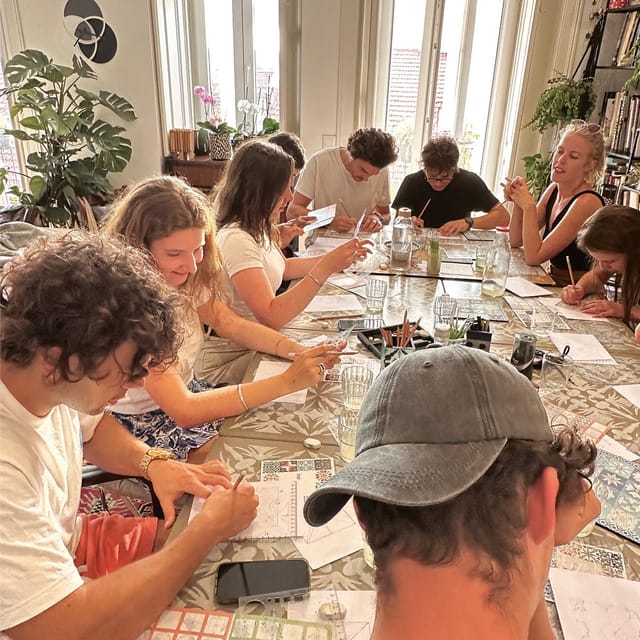
The meeting point is Bell Number 2. The workshop takes place in an artist’s home or studio rather than a large commercial classroom, which shapes the mood from the start. You can expect a relaxed space, a limited number of participants, and direct contact with the instructor.
Small groups matter here. You are working on a design, not following a guide through a monument, so it helps to have room for questions. Several people have found the small format comfortable even when attending alone, and private or small-group arrangements are available.
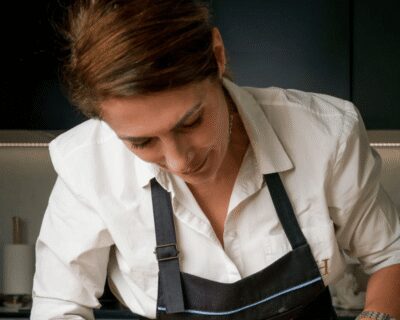
The languages are French, English, and Portuguese. Agathe, the French painter who leads the workshop, is described as patient, warm, and willing to help at every stage. Her role is not to impose one artistic style. She gives you a method, points out ways to strengthen your design, and lets you decide how traditional or unusual you want it to be.
Tea, coffee, and cookies are included. That sounds like a small detail, but it suits the pace of the class. You are sitting, thinking, sketching, and making small decisions for a good part of the session. A drink and a simple snack make the studio feel more like a creative visit than a rushed paid activity.
The Formettes Method Gives You a Starting Point

The workshop begins with a short presentation about azulejos and the Formettes method. The method is the key reason this class works for beginners. You do not need to arrive with a polished idea or the ability to draw freehand.
The Formettes tool helps you create and repeat shapes. It gives structure to your first marks, which is useful when a blank sheet feels intimidating. You can use the method to form a design with a regular pattern, then adjust it with your own choices.
This is where the class differs from a simple tile-painting table. You are not only decorating a ready-made square. You first create the artwork that will later be reproduced on the tile.
You still have freedom. You can make a design that feels traditional, or you can use the process as a springboard for something more personal. The instructor offers advice, but your tile does not need to match anyone else’s.
Step One: Pencil Lines and Design Decisions

Your first working stage is done in pencil. This is the forgiving part, so take your time. You can test a shape, adjust spacing, and change your mind before committing to the final lines.
I recommend beginning with a simple pattern rather than trying to fill every corner with detail. A tile is a small format, and a design that looks exciting on a full sheet may become crowded when reduced to 10cm by 10cm.
Agathe can guide you through the design if you are unsure how to proceed. The help is especially useful for spacing and composition, but you retain control. Several people with little confidence in their artistic ability have been pleased with the finished result because the process breaks the work into manageable stages.
This is also the most reflective part of the workshop. You are not racing through a list of sights. You have time to focus on line and shape, chat with the group, or work quietly.
A few more Lisbon options worth putting side by side
- Lisbon City Center Tour – The Unmissable Lisbon
★ 5.0 · 22,234 reviews - Lisbon: Jerónimos Monastery Entrance Ticket
★ 4.1 · 14,164 reviews - Lisbon: History, Stories and Lifestyle Walking Tour
★ 4.8 · 10,902 reviews - Lisbon: Sunset Boat Party Cruise with DJ and Open Bar
★ 4.5 · 10,378 reviews
Step Two: Fine Marker and Clean Lines

Once the pencil drawing is ready, you trace the important lines with a fine black marker. The marker gives the final pattern definition and makes the design easier to reproduce.
After that, the pencil marks are erased. This is a practical step, but it changes the appearance of the work. The design becomes cleaner and easier to read, with the black lines providing a firm outline for the color.
Do not worry if your drawing is not perfectly even. The instructor can help you make sensible corrections, and the post-workshop digital stage allows for slight adjustments if needed. That extra preparation is one reason the final tile can look more polished than your first paper sketch.
It also means the class is not a test of technical drawing. Your decisions about pattern and color matter more than perfect hand control.
Step Three: Watercolor Brings the Pattern to Life
The next stage is coloring with watercolor. This gives you room to make the tile soft and painterly rather than flat and mechanical.
Color choice is a major part of the experience. You can draw from the colors you have seen around Lisbon, or choose a combination that feels personal. The workshop does not require you to copy a particular historic tile, so you can make something that works as a gift, a wall decoration, or a small reminder of your own trip.
Watercolor also rewards restraint. A limited palette can make a small pattern easier to read. If you prefer stronger contrast, the black marker lines help the colors hold their shape.
The class supplies the drawing and painting materials. You do not need to pack art equipment or buy special supplies before arriving. That keeps the activity simple for people who have only a short stay in Lisbon.
How a Paper Drawing Becomes a Ceramic Tile

After you finish the paper artwork, the workshop moves into its less visible but very useful stage. Each drawing is worked on in Photoshop, corrected slightly if necessary, and multiplied so the design can be transferred to the tile.
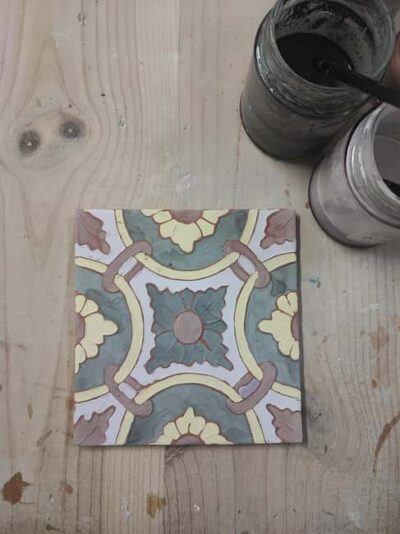
The repeated version is then applied to a ceramic tile with a thermal press. The finished tile measures 10cm by 10cm.
This process is worth understanding before you book. The workshop is not a traditional ceramics course where you shape clay, glaze a tile, and wait for a kiln firing. Instead, it combines a hands-on design lesson with a fast transfer process.
That approach gives you an important benefit: you leave with your tile immediately. You do not need to return to the studio later, pay for shipping, or worry about fitting another appointment into your Lisbon schedule.
The digital preparation also provides a safety net. If your paper design needs a slight correction, the final transfer can be improved before it reaches the ceramic surface. You still make the creative choices, but you are not left with a rough first attempt simply because you are new to drawing.
What the $64 Price Includes
At $64 per person, this is not the cheapest souvenir activity in Lisbon. The value comes from the full process rather than the ceramic object alone.
The price includes the instructor, drawing and painting materials, tea or coffee, cookies, and one 10cm by 10cm tile. It also covers the work involved in preparing your design and using the thermal press.
Compare it with buying a tile in a shop and the difference becomes clearer. A shop purchase is quicker and may offer a wider selection, but it has no connection to your own time in Lisbon. Here, you spend 2.5 hours making the design and leave with something that reflects your choices.
The value is strongest if you enjoy creative activities and want a souvenir with a story. It is less compelling if you only want a traditional tile at the lowest possible price or if your schedule is already packed with sightseeing.
Extra personalized objects and additional tiles are not included. One participant paid an extra €10 for a second tile, but you should confirm the current price for add-ons when booking rather than assume that amount.
Who Will Enjoy This Workshop Most

This is a good match for adults, couples, friends, solo visitors, and families with children aged 10 or older. Solo participation can work well because the class offers a natural activity and a comfortable setting without requiring you to arrive with a group.
It also suits mixed-age groups. A child, parent, and grandparent can all work at their own level, with the method providing a common starting point. The instructor’s guidance helps people who want more direction, while the design freedom gives confident artists room to experiment.
You should book it if you like:
- Making something with your hands
- Taking home a personal souvenir
- Learning a little about a local art form
- Spending a quiet two and a half hours indoors
- Working at your own pace in a small setting
You may want to skip it if you dislike drawing, want a highly active outing, or expect a full traditional pottery lesson. The class is relaxed and creative, but it still asks you to concentrate for several stages.
Practical Details That Affect Your Choice
The workshop lasts 2.5 hours, so plan it as a real part of your day rather than a quick stop between major sights. Check the available start times and allow enough time to reach Bell Number 2 without rushing.
The meeting point is provided as Bell Number 2, so read the final booking details carefully and make sure you know the exact location before setting out. The activity is offered in French, English, and Portuguese.
Free cancellation is available up to 24 hours in advance for a full refund. You can also reserve now and pay later, which is useful if your Lisbon schedule may change.
Bad weather need not ruin the plan. A participant was able to change the schedule because of poor weather, but this should not be treated as an automatic promise. Contact the provider as soon as possible if your plans change.
The Most Praised Part: Patient Guidance Without Taking Over
The strongest feature of the workshop is the balance between instruction and freedom. You are shown how the method works, but you are not pushed toward one standard result.
Agathe’s patience comes up again and again in the experience feedback, along with her humor and willingness to offer practical suggestions. That matters because many people arrive saying they are not artistic. The process gives them enough structure to succeed while leaving space for a personal design.
The atmosphere is another major strength. The studio feels warm and comfortable, and the small-group format allows for individual attention. You can meet people from different countries, work alone, or share the activity with friends without the class becoming noisy or impersonal.
The final tile is the payoff, but it is not the only reason to go. The slower pace gives you a break from Lisbon’s hills, crowds, and constant visual stimulation. You spend a few hours making decisions instead of collecting them.
Should You Book This Azulejo Workshop?
Book it if you want a meaningful Lisbon souvenir and enjoy the idea of making it yourself. The same-day finished tile, patient instruction, small studio setting, and beginner-friendly Formettes method make the $64 price fair for the right person.
I would especially recommend it for solo visitors, couples, creative families with children aged 10 or older, and anyone who has admired Lisbon’s tiled buildings but wants more than a photograph. Choose another activity if you want raw-clay pottery, a larger historical tour, or a quick low-cost purchase.
For most people who enjoy a relaxed hands-on class, this is a smart way to spend half a day. You leave with a small ceramic square, but also with a better sense of how pattern and color help define Lisbon.
FAQ
How long does the azulejo workshop last?
The workshop lasts 2.5 hours.
How much does the experience cost?
The listed price is $64 per person.
Do I need drawing experience?
No. The Formettes method is designed without drawing prerequisites, and the instructor guides you through the process.
What do I take home?
You take home one ceramic tile measuring 10cm by 10cm. Your design is transferred onto it with a thermal press after the workshop.
What languages are spoken?
The instructor offers the workshop in French, English, and Portuguese.
Can children join the workshop?
The activity is not suitable for children under 10 years old.
The newest listings around Lisbon
- The Real Lisbon Street Art Private Guided Tour by Minivan★ 4.8 · 49 reviews
- Lisbon: Historical Walking Tour with Jeronimos Monastery★ 4.5 · 71 reviews
- Lisbon: Port Wine Tasting at Taylor’s Shop and Tasting Room★ 4.6 · 490 reviews
- Lisbon: Tagus River Cruise With Brunch★ 3.2 · 73 reviews
- South Lisbon: 3-Hour Christ the King Electric Bike Tour★ 4.8 · 97 reviews
- Oeiras Coast: Stand Up Paddleboarding near Lisbon★ 4.9 · 56 reviews
- Small Group Walking Tour of Belém★ 4.9 · 80 reviews
- Lisbon: 3-Hour Secret Food Tour★ 4.7 · 53 reviews
Workshops, compared.

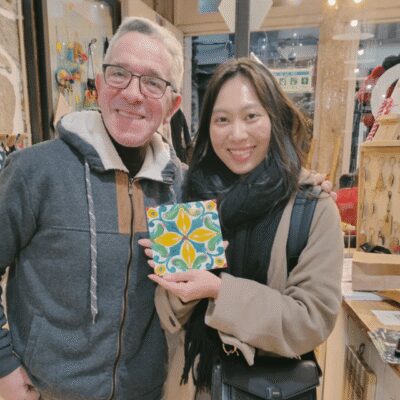
Tile-Painting Workshop with Porto Wine – Bainharia
Read our review →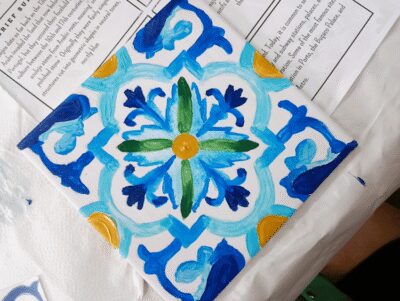
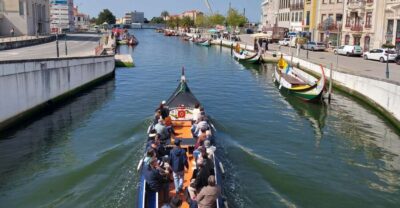
Stories, Canals, and Azulejos Guided Walking Tour
Read our review →
Porto center- Workshop “A nata do BJ” making pasteis de nata
Read our review →
Browse the lists this tour appears in