
Reviewed · COIMBRA TOURS
Conimbriga and The Roman Tour
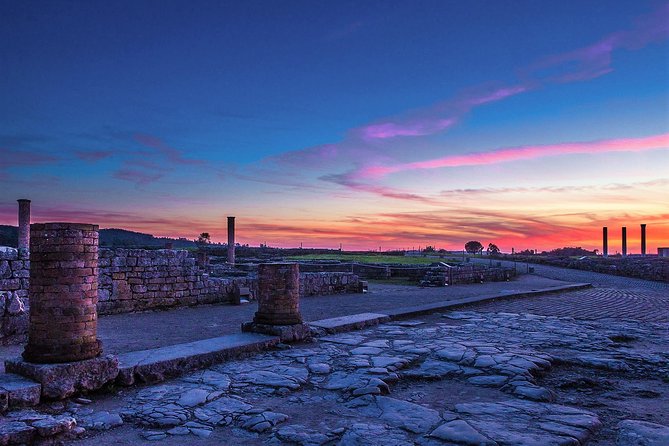
Conimbriga is one of Portugal’s finest Roman sites, with remarkably preserved mosaics, fountains, baths, and grand houses spread across a much larger area than you might expect. This private four-hour tour adds the missing pieces: the spring and aqueduct at Alcabideque, the modern PO.RO.S museum, and the main archaeological museum.
I like the personal pace and the chance to ask questions without a large group slowing things down. I also like that the route begins with Roman engineering, then moves through museum displays before reaching the ruins, giving you useful context instead of a pile of old stones.
The main catch is that museum admission is extra, and PO.RO.S is closed on Mondays. Pickup is also not quite as simple as the headline suggests, so confirm your exact hotel and any added transport fee before booking.
Key points to know before booking

- The aqueduct begins at a real village spring: Alcabideque still uses the old collecting basin as a pond.
- Conimbriga is best with a guide: The large site makes more sense when someone explains the houses, waterworks, baths, and mosaics.
- This is a private tour for up to 10 people: Your group sets the pace, with no strangers joining you.
- Alfredo is the main guide named in the feedback: He is praised for his Roman history, humor, patience, and ability to adjust the visit.
- Museum tickets cost extra: Budget separately for PO.RO.S and the Museu Monográfico de Conimbriga.
- Avoid Monday if you want the full program: PO.RO.S closes that day, and one scheduled visit also encountered an unexpected site closure.
Why Conimbriga deserves a half-day

Many visitors base themselves in Coimbra and never make it to Conimbriga. That is a mistake if Roman Portugal interests you. The ruins lie outside the city, and getting there is much easier with private transport, especially when the visit includes Alcabideque and the museums.
Conimbriga was occupied by Roman troops in 139 BC and later grew into the capital of the Lusitania province. Under Emperor Augustus, the city gained major public buildings, including a forum, amphitheatre, thermal baths, and a basilica. Wealthy homes followed, decorated with mosaics and water features that still command attention today.
The site is not just a single ruin you can see in 20 minutes. You walk through streets, houses, public buildings, and remains of the water system. The scale is part of the appeal, but it also creates the main challenge: without some explanation, you may notice the pretty floors while missing how the city worked.
That is where the private format earns its price. You can stop to ask why a fountain was placed in a courtyard, how the aqueduct reached the city, or what a particular building was used for. A good guide turns the visit from a scenic walk into a story about Roman planning, plumbing, religion, domestic life, and power.
A few more Coimbra options worth putting side by side
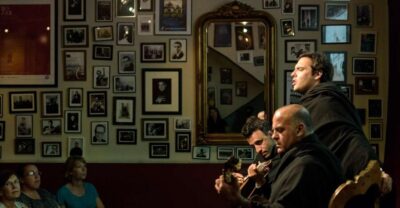
- Coimbra: Live Fado Show with Glass of Port Wine
★ 4.7 · 998 reviews - University of Coimbra guided tours without queue
★ 5.0 · 518 reviews - Guided tour of the University and city of Coimbra.
★ 5.0 · 377 reviews
Alcabideque and the Roman water supply
The first stop is Alcabideque, a small village connected to the water system that fed Conimbriga. The original collecting basin of the spring is still used as the village pond, which gives this stop an unusually direct link to the past.
Next to the pond are the remains of a castellum, a basin that helped clean and control the water before it continued toward the Roman city. From here, the aqueduct ran for about 3.5 kilometers before entering Conimbriga. Part of the route traveled on a supporting structure and ended at a more complex castellum aquae, or water distribution building.
This is a short stop, about 30 minutes, and admission is free. I like it because it makes Roman engineering easier to understand. At the main ruins, you see the result. At Alcabideque, you see the source and the practical problem the Romans solved.
Do not expect a grand monument on the scale of an arena. The appeal is quieter. You are looking at a working spring, a village pond, and the remains of a system that helped supply a major Roman city. It is also a good place for photographs and a useful start before the larger archaeological site.
PO.RO.S explains Roman Portugal

The PO.RO.S Roman Portugal Museum in Sicó is the newer and more modern stop. It uses multimedia and virtual displays to explain the Roman legacy of the area and works alongside the archaeological site at Conimbriga.
You spend about an hour here, and admission is not included in the tour price. The museum matters because it gives you a wider frame. Conimbriga is the star, but Roman settlement in Portugal was not limited to one city. A modern museum can show connections and daily life in a way that scattered stones cannot.
The exact balance between museum time and site time may depend on your guide and the day’s conditions. Since the whole tour lasts about four hours, you should not expect a long, leisurely visit at every stop. Still, the sequence is smart: understand the setting first, then inspect the ruins with more questions in mind.
The practical warning is simple: PO.RO.S is closed on Mondays. If you book for that day, the tour cannot deliver the full three-stop program as described. Choose another day if the museum is important to you, and check operating details before you pay.
Conimbriga’s mosaics, fountains, and Roman homes

The main visit takes about two hours at the Museu Monográfico de Conimbriga and the ruins around it. The museum presents objects found during years of excavation, with displays on domestic life, religion, architecture, house decoration, and activity in the forum.
The ruins themselves are the heart of the experience. The well-preserved mosaics are the feature most likely to stay with you. Designs cover the floors of Roman homes, and the scale of some residences points to the wealth of the people who lived there.
The fountains are another highlight. Some garden fountains still work, an especially pleasing detail after hearing about the aqueduct at Alcabideque. The baths and water channels show that Roman comfort depended on careful engineering, not just decoration.
You can also see remains connected to the forum, thermal baths, basilica, and amphitheatre. The three-nave basilica was built later in the city’s development, adding another layer to the site. Your guide can help separate the different periods and functions, which is useful when several foundations look similar at first glance.
I would not rush this stop. Two hours is enough for a solid visit, but not enough to examine every feature at length. If you love Roman history, you may wish the tour offered more time here. If you prefer a clear overview rather than an all-day archaeological study, the timing should work well.
Same base, a completely different sort of day:
- Coimbra: Mondego River Kayaking Tour
★ 4.7 · 324 reviews - Aveiro and Coimbra Small Group Tour with Moliceiro Boat Cruise
★ 4.5 · 236 reviews - From Porto: Aveiro & Coimbra Tour with Moliceiro Boat Cruise
★ 4.6 · 219 reviews - Coimbra: Guided tour with a local student
★ 5.0 · 170 reviews
What the private guide adds
The guide is the most important part of this experience. Alfredo is the owner of Veado Verde and is the guide most often named in the supplied material. He is described as friendly, humorous, patient, and strongly informed about Roman history. Ivone is also named as a guide and is praised for explaining the site and making extra stops while driving.
The best accounts describe a guide who brings Roman building methods to life and explains why the mosaics, water systems, houses, and public buildings matter. That detail is valuable at Conimbriga, where the sheer number of remains can otherwise blur together.
The private format also lets the guide adapt the pace. One family was able to move at its own speed because the group filled the whole tour. Another visitor received help adjusting the route to a husband with walking and sight difficulties. A daughter with minor motor and cognitive disabilities was treated with patience during the visit.
That does not mean every guide interaction will suit every personality. One person found Alfredo abrupt, and another felt disappointed by the handling of pickup and the missing souvenir photo. Those points do not erase the strong overall response, but they are useful reminders to state your needs clearly at the start.
If you have limited mobility, ask in advance how much walking is involved and how the route can be adjusted. The tour can be tailored to ability, but the ruins and museums still require movement between areas.
Transport, timing, and group size
The tour lasts about four hours and uses an air-conditioned private vehicle. The listed start point is Largo da Portagem in Coimbra, and the activity returns there at the end.
Pickup is offered from most hotels in central Coimbra, Condeixa-a-Nova, and Penela when parking is available. The wording matters. Pickup may require selecting the correct option, and locations outside the usual area can cost an additional 10 to 20 euros. One person also expected hotel pickup and found that it was not provided, so confirm the arrangement rather than assuming it is automatic.
The group limit is 10 people, but the experience remains private to your booking. A couple gets a very different feel from a family of eight, yet both avoid a coach group and can ask questions as they go.
The tour operates in all weather, so dress for conditions. Comfortable shoes are sensible because the main archaeological site involves walking across uneven outdoor ground. The supplied information says most people can participate, but it does not promise a fully step-free route.
The experience is offered in English, and a multilingual guide may operate the tour. If you need a specific language, ask before booking.
Is the 102.80 dollar price good value?

At $102.80 per person, this is not the cheapest way to reach Conimbriga. You also pay separately for the two museums, and food and drinks are not included. For a solo visitor, the total may feel high compared with arranging independent transport and paying only the basic site costs.
The calculation changes for a small private group. You are paying for a driver-guide, a private air-conditioned vehicle, round-trip transport when included, and four hours of explanation. You also visit three connected places rather than only the main ruins. For a family or group of friends, the per-person cost can make good sense, especially if you value convenience and a flexible pace.
The guide’s role is the real value. Conimbriga is not difficult to enter, but it is easy to miss the meaning of what you see. The aqueduct, castella, mosaics, fountains, baths, and basilica all become more useful when tied together.
Remember to include museum admissions in your budget. The tour includes one souvenir photo, but extra photos without logos can be purchased. Since one person felt the advertised photo was not provided, ask the guide directly if you want the included picture.
Who will enjoy this Roman tour most?
I would recommend this tour to anyone staying in Coimbra who wants more than a quick look at Roman ruins. It suits history fans, families, small groups, and people who prefer a guide to explain the site rather than read every panel alone.
It is especially good for you if:
- You want private transport from Coimbra.
- You like asking questions and setting your own pace.
- You are interested in Roman water systems and domestic life, not only famous monuments.
- You want a museum visit before or after the ruins.
- You are traveling with someone who needs a gentler pace.
Independent visitors may prefer to arrange their own transport and spend longer at Conimbriga. That option gives you control over timing, but you lose the connected story and the easy route between Alcabideque, PO.RO.S, and the main site.
If you have only a short stay in Coimbra, the four-hour length is convenient. If you want a full archaeological day, it may feel compressed.
Booking tips that can prevent surprises
Book a day other than Monday if you want to include PO.RO.S. Confirm which museums are open and ask what happens if a site closes unexpectedly. One scheduled visit encountered a sudden strike at Conimbriga, yet the guide still showed as much of the ruins and mosaics as possible and added nearby points of interest.
Confirm your pickup location, parking conditions, and any added fee of 10 to 20 euros. If you are starting from the central meeting point at Largo da Portagem, make sure you know where to meet and where the tour ends.
Cancellation is free up to 24 hours before the start time for a full refund. Changes or cancellations inside 24 hours are not accepted for a refund. If poor weather causes the operator to cancel, you are offered another date or a full refund.
Should you book Conimbriga and the Roman Tour?
Book it if you want Conimbriga explained, not simply photographed. The strongest part is the combination of a private vehicle, the Alcabideque spring, two museums, and a guide who can connect Roman engineering with daily life.
I would skip it only if you are determined to explore independently, need a much longer site visit, or are unwilling to pay museum admissions separately. For most people based in Coimbra, the tour is a practical and engaging way to reach one of Portugal’s most important Roman sites. Pick a non-Monday date, confirm pickup, and allow the guide to show you why the fountains, mosaics, and waterworks matter.
FAQ
How long does the Conimbriga and Roman Tour last?
The tour lasts approximately four hours.
Where does the tour start?
The listed meeting point is Largo da Portagem, 3000-337 Coimbra, Portugal.
Does the tour include hotel pickup?
Pickup is offered from most hotels in central Coimbra, Condeixa-a-Nova, and Penela when parking is available. Pickup from other locations may cost an additional 10 to 20 euros.
Where does the tour end?
The activity ends back at the meeting point.
Is this a private tour?
Yes. Only your group participates, with a maximum of 10 people per booking.
Is transport included?
Transport by private, air-conditioned vehicle is included. A driver-guide is also included.
Are museum admission tickets included?
No. Admission to PO.RO.S and the Museu Monográfico de Conimbriga is not included.
Is PO.RO.S open every day?
PO.RO.S is closed on Mondays.
Is the tour offered in English?
Yes. The tour is offered in English, though it may sometimes be operated by a multilingual guide.
What is the cancellation policy?
You can cancel at least 24 hours before the start time for a full refund. Cancellations or changes made less than 24 hours before the start time are not accepted for a refund.
The newest listings around Coimbra
- Lousa Mountain Private Tour★ 5.0 · 88 reviews
- Soft Canyoning, river Ceira, Góis, Serra da Lousa, Coimbra★ 5.0 · 48 reviews
- Schist Villages at Lousa Mountain★ 5.0 · 127 reviews
- Schist Villages of Lousã Mountain, half-day from Coimbra★ 5.0 · 42 reviews
- Discovering the charms and places of Coimbra★ 5.0 · 78 reviews
- Coimbra Private Walking Tour with U.C. Tickets Early Access★ 4.5 · 68 reviews
- University of Coimbra – more complete and private visit, ticket included★ 5.0 · 53 reviews
- A tour between Cascades and Schist Villages, Piodão★ 5.0 · 46 reviews
Coimbra Tours, compared.

University of Coimbra guided tours without queue
Read our review →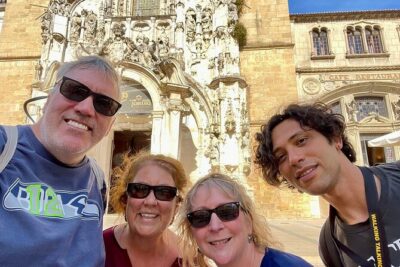
Guided tour of the University and city of Coimbra.
Read our review →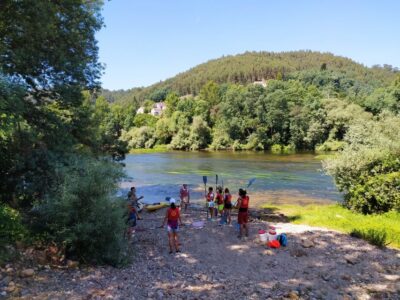
Aveiro and Coimbra Small Group Tour with Moliceiro Boat Cruise
Read our review →
Aveiro & Coimbra Tour with Moliceiro Boat Cruise
Read our review →

Browse the lists this tour appears in