
Reviewed · COIMBRA TOURS
Schist Villages at Lousa Mountain
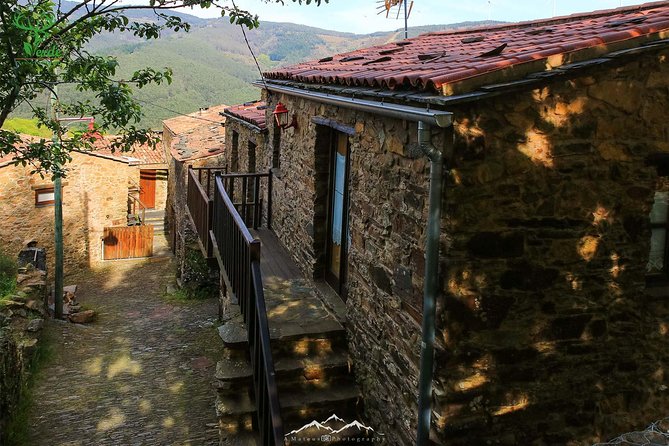
The best part of this excursion is how quickly Coimbra gives way to quiet mountain villages built from dark schist. You ride narrow and sometimes rough roads, then walk among stone houses, springs, woodland, and steep hillsides where village life still feels close to the land.
I like the freedom of a private tour with Alfredo, who can adjust the pace and explain both village history and local plants and animals. I also like the choice between a focused half-day visit and a fuller mountain day that reaches Aigra Velha, Aigra Nova, and Pena. The main caution is physical: expect steps, slopes, uneven paths, and some unpaved roads. It is not a good match if you need flat walking or dislike mountain driving.
Key points to know before booking
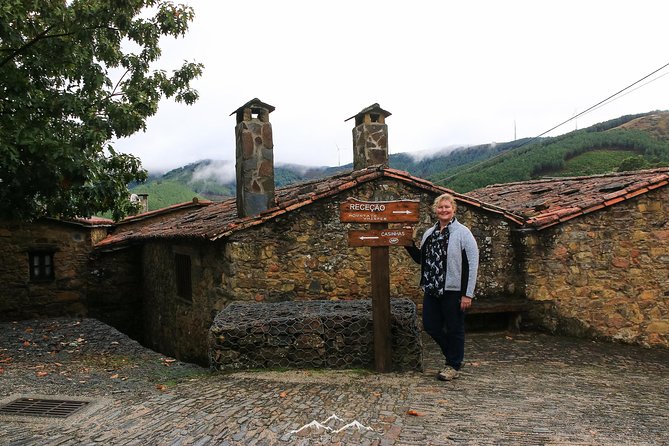
- Cerdeira feels like a woodland hamlet, reached by a small bridge and shaded paths leading to a spring.
- Talasnal and Gondramaz show restoration at its best, while Casal Novo and the Cadaval villages reveal a quieter, less polished side.
- The half-day tour visits three main villages, while the full-day option adds Aigra Velha, Aigra Nova, and Pena.
- Alfredo combines guiding with driving, useful on steep, unpaved mountain roads with limited roadside protection.
- Short hikes are part of the experience, including a walk between abandoned Cadaval Cimeiro and Cadaval Fundeiro.
- Food is optional and paid separately, with local dishes such as chanfana and regional drinks available during a longer outing.
Why Lousã Mountain makes a fine break from Coimbra
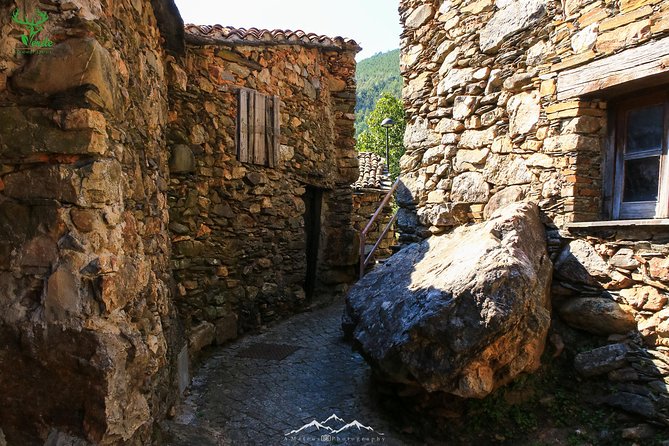
Coimbra is full of worthwhile city sights, but the Lousã Mountain villages offer a very different Portugal. Here, houses are made from local schist, a dark layered stone that gives the villages a warm gray and brown color. Roofs, walls, paths, springs, and wooded slopes all fit together in a way that feels shaped by necessity rather than by a modern design plan.
The villages are not identical. Some have been carefully restored for tourism and holiday use. Others remain quiet, partly abandoned, or still tied to farming. That contrast gives the outing much more meaning than a simple series of pretty viewpoints.
You also get a closer look at how remote mountain communities have changed. Some villages burned in the 1980s and are being repaired. Others have attracted artists, small tourism projects, or new residents. Alfredo adds useful context about the people who once lived here, those who remain, and the work being done to keep the villages from disappearing.
A few more Coimbra options worth putting side by side
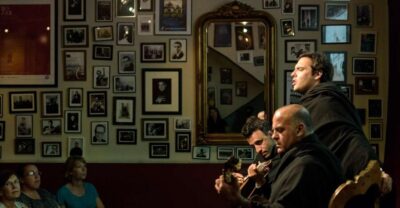
- Coimbra: Live Fado Show with Glass of Port Wine
★ 4.7 · 998 reviews - University of Coimbra guided tours without queue
★ 5.0 · 518 reviews - Guided tour of the University and city of Coimbra.
★ 5.0 · 377 reviews
Cerdeira begins with a storybook entrance
Cerdeira is one of the most atmospheric stops. A small bridge leads into the village, with houses partly hidden among foliage. The first impression is quiet and almost theatrical, but the setting is real rather than staged. A slate path guides you toward a spring concealed by greenery.
This is a good place to slow down. Water has cut steep channels into the surrounding hills, and the village sits among those folds with very little noise. The half-hour visit is short, so you will not have time for a long walk, but you can take in the stone construction and shaded setting.
Cerdeira has also been given new life through art and creative projects. At certain times of year, events combine art and botany. Since schedules are not specified, you should think of this as an added possibility rather than something guaranteed on your date.
Candal is the easiest village to reach
Candal is generally considered the most developed of the mountain villages. Its position beside the national road makes access easier, and it receives more weekend and holiday traffic than the quieter hamlets.
That makes Candal a practical early stop. You can walk around without feeling that you have entered a completely abandoned place, and you get a sense of how these villages function as living communities rather than museum pieces. The trade-off is that it may feel less secluded than Cerdeira or Casal Novo.
The visit lasts about 30 minutes. Use the time to look closely at the repaired schist houses and the way the village sits on the slope. You may also find a friendlier social atmosphere here, since local residents are accustomed to visitors.
Talasnal shows the power of careful restoration
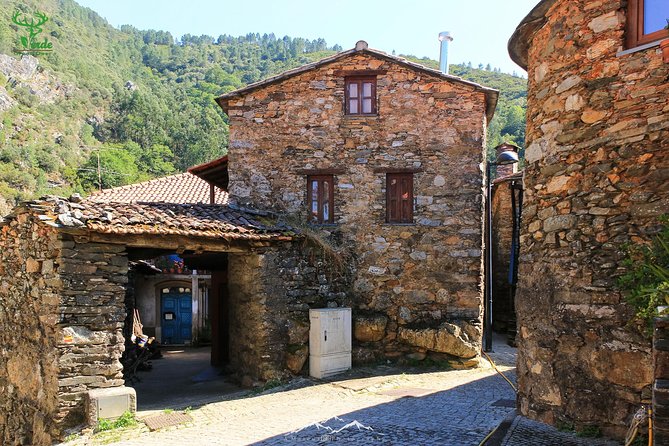
Talasnal is one of the most recognizable schist villages on Lousã Mountain. Its appeal comes from the many small details in the restoration of its houses and paths. The village has a strong sense of place, and nature still presses close around it.
This is one of the stops where you should look beyond the overall view. Notice the textures of the stone, the way doors and windows fit into the walls, and how the village follows the contours of the hillside. The setting helps explain why Talasnal has become one of the best-known villages in the area.
The phrase seduces us through the mouth in the tour description points to food, and that is useful to remember. Talasnal and the surrounding mountain area are connected with local eating places and regional dishes. Meals are not included in the stated price, but a longer tour may offer time to stop for lunch.
Same base, a completely different sort of day:
- Coimbra: Mondego River Kayaking Tour
★ 4.7 · 324 reviews - Aveiro and Coimbra Small Group Tour with Moliceiro Boat Cruise
★ 4.5 · 236 reviews - From Porto: Aveiro & Coimbra Tour with Moliceiro Boat Cruise
★ 4.6 · 219 reviews - Coimbra: Guided tour with a local student
★ 5.0 · 170 reviews
Casal Novo is easy to miss
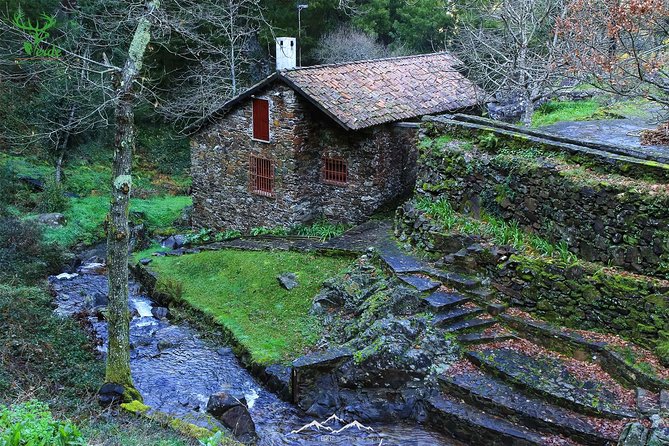
Casal Novo appears along an unpaved road, but you could pass it without noticing. The village lies in a fold of a steep, north-facing hillside, and woodland hides much of its outline.
That obscurity is part of the appeal. Casal Novo is not a grand arrival with a wide viewpoint and a busy center. It rewards careful observation. You get a glimpse of how mountain villages can disappear into their setting, especially when houses are built close to the slope and surrounded by trees.
Because this stop is passed along the road rather than described as a full visit, your time there may be brief. Still, it adds variety to the route and keeps the day from becoming a simple checklist of restored villages.
Gondramaz combines restoration with a coffee stop
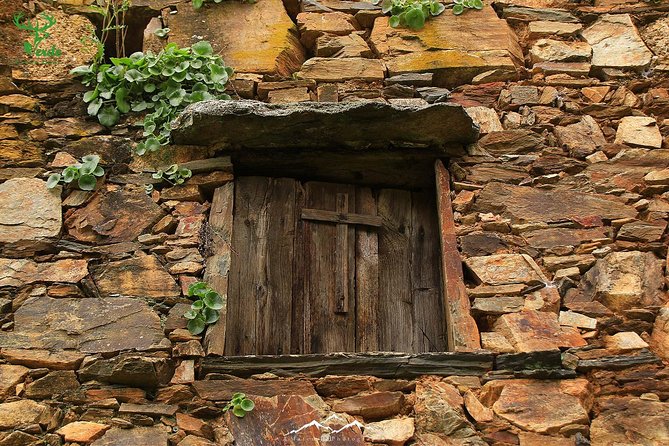
Gondramaz is a fully restored schist village with about 50 houses. It also has a tourist resort, making it one of the more visitor-ready stops on the route.
The planned coffee break matters. Mountain touring can become tiring when every stop involves steps and uneven ground, so a pause gives you time to rest and absorb the setting. It also offers a small connection with the present-day visitor economy around these villages.
Gondramaz may feel more finished than Cadaval Cimeiro or Cadaval Fundeiro. That is useful if you want to see successful restoration, but less satisfying if your main interest is abandoned places. The tour works well because it includes both kinds of village.
The Cadaval villages add a short mountain walk
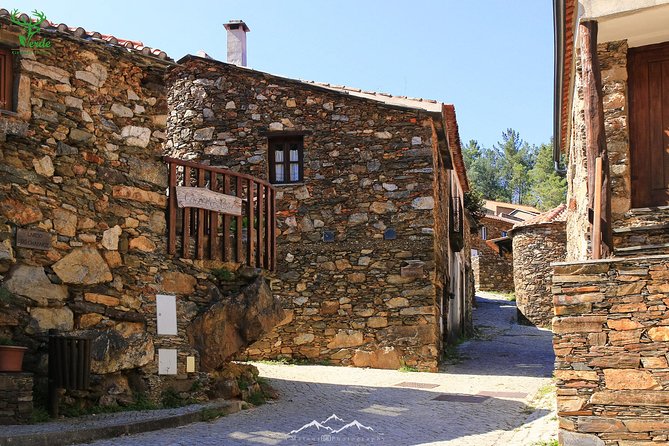
Cadaval Cimeiro and Cadaval Fundeiro are abandoned schist villages that burned twice during the 1980s. The route includes a hike between them, giving you a chance to experience the area on foot rather than only from the vehicle.
This is one of the most valuable parts of the excursion for anyone interested in rural Portugal. The restored villages show what can be saved. The Cadaval villages show what happens when a community loses people, buildings deteriorate, and fire changes the course of local life.
The hike is only listed as about 30 minutes, but do not read that as a promise of flat or effortless walking. Across the day, you should expect steps and slopes. Wear shoes with a firm grip, and bring clothing suited to changing mountain weather.
The full-day route reaches higher ground
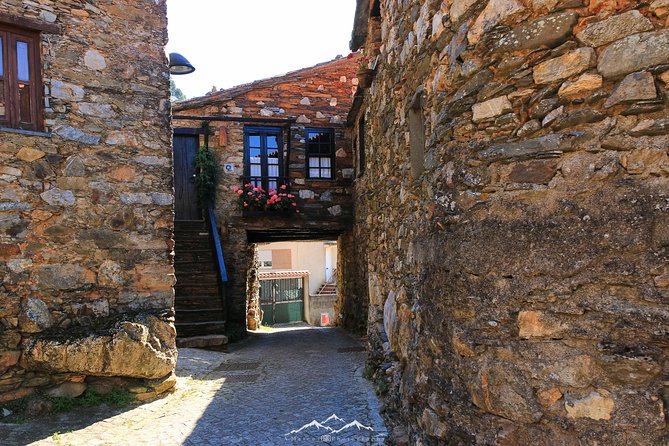
A half-day outing covers the core villages, while the full-day option adds three more stops: Aigra Velha, Aigra Nova, and Pena. If you have the time and enjoy quiet countryside, the longer route offers a broader picture of the region.
Aigra Velha sits at about 770 meters, making it the highest schist village in the area. It is close to the summits of Lousã Mountain but remains easy to reach by road. The village itself is small, while the open views around it give the stop its main appeal.
The atmosphere here is simple and closely linked to natural cycles. That can be a welcome change from restored villages with a stronger tourism presence. Bring an extra layer, since higher ground can feel cooler and more exposed.
Aigra Nova has three small streets lined with low schist buildings. Its spring and mild climate support market gardens, pastures, livestock, donkeys, and other farm activity. This is a living village, not only a preserved one, and it gives you a better idea of how agriculture still fits into mountain life.
Pena is visually unusual because its houses combine schist and quartzite. A centuries-old chestnut tree marks the entrance, while the village follows a promontory and seems to cling to the slope.
A stream supplies clear water, and the nearby Penedos de Góis offer more adventurous terrain. The tour information does not promise a separate long hike there, so treat Pena as a scenic and cultural stop rather than signing up specifically for a serious walk.
Alfredo’s role changes the feel of the outing
The guide is Alfredo, working with Veado Verde / Green Deer. His role is more than pointing out buildings. He drives, explains local history and culture, discusses trees and animals, and can help connect the villages with present-day life.
That combination is especially useful here because the roads can be steep, narrow, and unpaved. One direct account praised being able to leave the driving to Alfredo, particularly on roads without guardrails. Another raised a concern about driving safety, so I would keep expectations realistic: a private mountain tour depends heavily on the individual guide and conditions on the day.
Alfredo is also described as a good wildlife spotter. A large deer was seen close to the group during one outing, and binoculars are included. Wildlife sightings are never guaranteed, but the forest setting gives you a reasonable reason to keep your eyes open.
The private format is a real advantage. Your group alone takes part, with a maximum of 10 people per booking. You can ask for more time at a favorite village, move at a slower pace, or adjust the schedule within the limits of the day. English is offered, and the guide may be multilingual.
What the $102.80 price really buys you
The listed price is $102.80 per person for the experience described. For a four-hour private outing, that is not a bargain-basement bus excursion, but you are paying for a driver-guide, private transport, activities, binoculars, and a souvenir photo. Hotel pickup and drop-off apply when that option is selected.
The value improves if you are traveling with a small group and care about flexibility. A private vehicle saves you from working out mountain roads yourself, and the guide can combine several villages that would be awkward to reach by public transport.
Food and drinks are not included unless specifically arranged. Lunch is optional and paid separately on site. That gives you control over spending, but you should budget extra if you want a full-day outing with coffee, lunch, or regional specialties such as chanfana and local wine.
The half-day option makes sense if you want an unusual excursion without giving up your entire day in Coimbra. The full-day option is better if you like walking, quiet rural settings, and a slower look at several different types of village.
Practical details that matter on the day
The main meeting point is Largo da Portagem in central Coimbra. Pickup is available from many hotels in central Coimbra, Lousã, Miranda do Corvo, Condeixa-a-Nova, and Penela when parking permits. Other pickup points can cost an additional 10 to 20 euros.
Wear shoes that can handle stone paths, steps, and uneven ground. Dress for all weather, since the tour operates in changing conditions and may be canceled if the weather is poor. Service animals are allowed, and most people can take part, but the route is not described as wheelchair-friendly.
Confirmation is normally sent at booking. If you book within seven days of the date, confirmation can take up to 48 hours and remains subject to availability. Cancellation is free up to 24 hours before the start time. A cancellation inside that window is not refunded, while a weather cancellation gives you the choice of another date or a full refund.
Who should book this mountain outing?
I would choose this tour if you want to get beyond Coimbra’s city center without arranging a rental car and a mountain route yourself. It suits people who care about local building traditions, rural communities, short walks, and natural scenery more than polished sightseeing.
It is also a good choice for couples, families with older children, and small groups who value a flexible schedule. The private setup means you do not have to match the pace of a large coach group.
I would hesitate if you want a long, strenuous mountain hike, a guaranteed wildlife sighting, or a completely flat route. I would also ask about road conditions and the exact pickup plan before booking if mountain driving makes you uneasy.
Should you book the Schist Villages at Lousã Mountain tour?
Yes, if you have at least half a day in Coimbra and want to see a side of Portugal that feels far removed from the usual city circuit. The restored villages are attractive, but the strongest reason to go is the contrast between restored homes, abandoned hamlets, working farms, woodland, and mountain roads.
Choose the half-day tour for Cerdeira, Candal, and Talasnal, with additional stops such as Casal Novo and Gondramaz depending on the schedule. Choose the full day if Aigra Velha, Aigra Nova, and Pena appeal to you and you are comfortable spending more time on foot and in the mountains.
At $102.80 per person, the experience is best value when you want a private guide and do not want to drive. Pack good shoes, allow extra money for food, and let the day move at a calm pace. That is when the schist villages make the strongest impression.
FAQ
Where does the tour start?
The main meeting point is Largo da Portagem, 3000-337 Coimbra, Portugal. The activity ends back at the meeting point.
Is hotel pickup available?
Pickup is available from most hotels in central Coimbra, Lousã, Miranda do Corvo, Condeixa-a-Nova, and Penela if parking is available. Pickup from other locations may cost an additional 10 to 20 euros.
How long does the tour last?
The listed experience lasts approximately four hours. A longer full-day version is also available.
What is the difference between the half-day and full-day tours?
The half-day route includes villages such as Cerdeira, Candal, Talasnal, and Gondramaz, along with other stops on the route. The full-day option also includes Aigra Velha, Aigra Nova, and Pena.
Is the tour private?
Yes. Only your group participates, with a maximum of 10 people per booking.
Is the tour offered in English?
Yes. The experience is offered in English, and it may also be operated by a multilingual guide.
Are meals included?
Food and drinks are not included unless specified. Meals can be arranged as optional extras and are paid separately on site.
What happens if the weather is poor?
The experience requires good weather. If it is canceled because of poor weather, you can choose another date or receive a full refund. You can cancel for a full refund up to 24 hours before the start time.
The newest listings around Coimbra
- Lousa Mountain Private Tour★ 5.0 · 88 reviews
- Soft Canyoning, river Ceira, Góis, Serra da Lousa, Coimbra★ 5.0 · 48 reviews
- Schist Villages of Lousã Mountain, half-day from Coimbra★ 5.0 · 42 reviews
- Discovering the charms and places of Coimbra★ 5.0 · 78 reviews
- Coimbra Private Walking Tour with U.C. Tickets Early Access★ 4.5 · 68 reviews
- University of Coimbra – more complete and private visit, ticket included★ 5.0 · 53 reviews
- An adventure through the Forest and Palace of Bussaco – Coimbra★ 5.0 · 44 reviews
- A tour between Cascades and Schist Villages, Piodão★ 5.0 · 46 reviews
Coimbra Tours, compared.

University of Coimbra guided tours without queue
Read our review →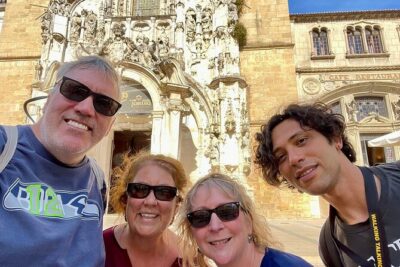
Guided tour of the University and city of Coimbra.
Read our review →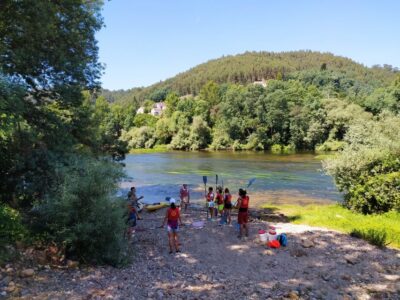
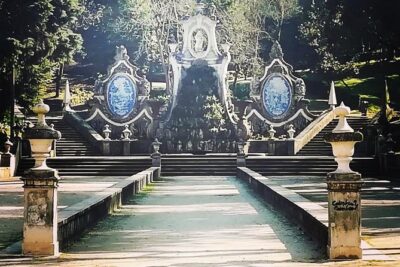
Aveiro and Coimbra Small Group Tour with Moliceiro Boat Cruise
Read our review →
Aveiro & Coimbra Tour with Moliceiro Boat Cruise
Read our review →

Browse the lists this tour appears in