
Reviewed · WALKING TOURS
Aveiro: Stories, Canals, and Azulejos Guided Walking Tour
Aveiro’s charm is easy to miss if you see only the canals and colorful boats. This walking tour connects those postcard scenes to the city’s churches, salt trade, ceramics, azulejos, and long recovery from hard economic times. Tony Walker, also called António, brings the route to life with local stories and the eye of someone who has lived in Aveiro for more than 20 years.
I like the way the tour moves beyond the usual canal photo stop, especially into the Carmelite Convent Church and the Beira Mar neighborhood. I also like that you learn to tell a moliceiro from a mercantel and understand why Aveiro’s waterways exist. The main drawback is the pace and surface: this is a continuous walk on city streets, and it is not suitable for wheelchairs, baby carriages, people with limited mobility, or anyone seeking an easy stroll.
Key points at a glance
- A two-hour walk with real local context: Churches, canals, tiles, salt, boats, architecture, and food all fit into one compact route.
- The Carmelite Convent Church: A small Baroque interior that rewards close attention.
- Aveiro’s azulejos: See tile work from early modern times through Art Nouveau and Art Deco.
- The lagoon’s working boats: Learn the difference between moliceiros, mercanteis, and other traditional craft.
- A walk through Beira Mar: This old neighborhood brings together canals, tiled homes, ironwork, and local life.
- A practical price: At $20 per person, the tour offers a useful introduction before you spend extra on a canal boat ride or museum visits.
Why this Aveiro walk is worth your time
Aveiro is often sold as the Portuguese city of canals, but that description is too thin. The canals are only one part of the story. The city grew beside the Ria de Aveiro lagoon, where salt production, fishing, sea trade, and the collection of seaweed helped shape daily life and local wealth.
This tour gives you the missing links. You see the buildings, then hear why they look the way they do. You see the boats, then learn what they carried and how they served the lagoon. You notice a tiled façade, then understand how azulejos became both decoration and a public display of taste.
At $20, the value is strongest if you are new to Aveiro. The walk covers several major sights without charging separate entrance fees, since the stops are either viewed from outside or entered free of charge. You also get a useful base for exploring on your own afterward.
The tour does not include food, drinks, or a canal cruise. That is not a serious flaw, but you should know what you are buying: this is a city walk with interpretation, not a combined walking and boat excursion. If you want a moliceiro ride, book that separately.
More workshops in Aveiro:
- Porto: Pastel de Nata Pastry-Making Workshop
★ 4.9 · 1,542 reviews - Porto: Tile-Painting Workshop with Porto Wine – Bainharia
★ 4.9 · 526 reviews - Porto: Tile Painting and Cocktails in Downtown Porto
★ 4.9 · 484 reviews
Starting at Praça da República
The meeting point is Praça da República, near the statue in the middle of the square. Look for the guide wearing a yellow and blue badge. This is a sensible place to begin because the square places you beside two immediate reminders of Aveiro’s civic and religious past: the Town Hall and the Misericórdia Church.
From here, the route heads along Rua de Coimbra. One early detail is the Portuguese pavement, known as calçada à portuguesa, with its black and white stone patterns. It is easy to treat the pavement as background decoration, but the guide uses it to point out a small part of Portugal’s urban character.
You should arrive in comfortable shoes. The walk lasts two hours, and the route includes ordinary city paving rather than a smooth museum floor. Sunscreen and clothing suited to the weather are also wise, since the tour runs rain or shine.
The Carmelite church and Aveiro’s quiet Baroque side
At Praça Marques de Pombal, you enter the Carmelite Convent Church. This is one of the tour’s most worthwhile stops because it is small enough to examine without getting lost in grand scale.
The church is presented as a Baroque jewel, and the interest comes from details rather than size. You can take in the decoration at close range while the guide explains what you are seeing. This is the kind of stop that benefits from a guide who enjoys architecture and symbolism, since many visitors would otherwise walk past without understanding the interior.
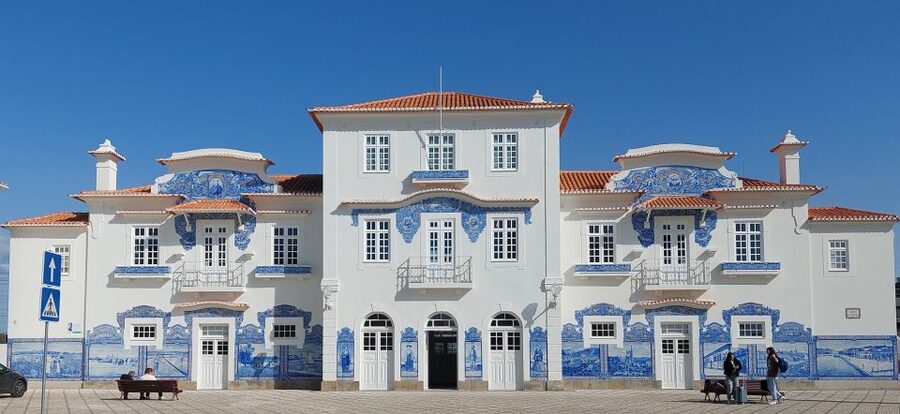
The route then passes the tile panels of Casa de Santa Zita and Sapataria Leão. These façades show how azulejos are not limited to churches or grand public buildings. In Aveiro, tile work appears on everyday commercial and residential architecture, giving ordinary streets a visual identity.
If you enjoy photography, this part of the walk is useful because it trains your eye. Look above shop level, around doorways, and across whole façades. The guide points out details that can be easy to miss when you are simply following the canal signs.
Santa Joana and the cathedral
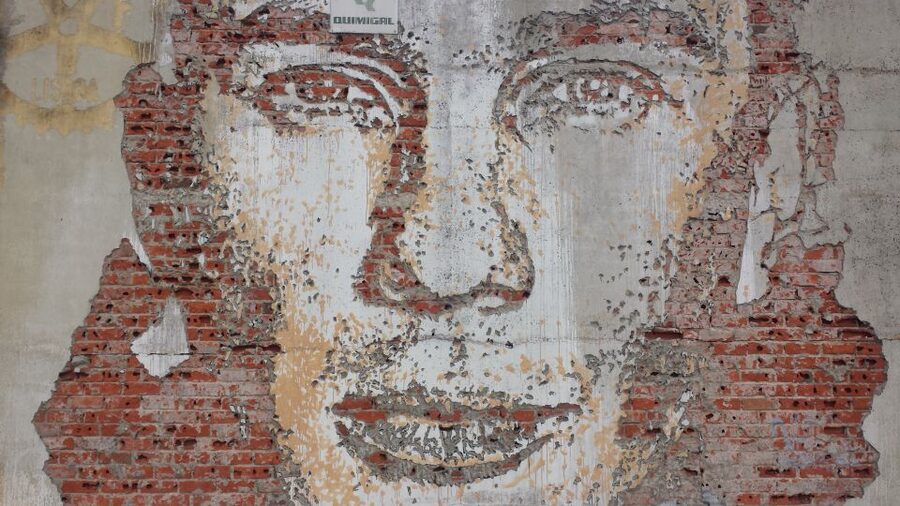
The walk continues beside the Dominican Convent of Jesus, where you hear the story of Princess Santa Joana, Aveiro’s patron saint. Her connection to the city adds a personal and royal strand to the tour’s broader account of trade, salt, and urban growth.
The route then passes the cathedral. The emphasis here is not simply on checking off another church. It is on placing Aveiro’s religious buildings within the city’s changing fortunes, from its period of power between the 11th and 15th centuries to the difficult centuries that followed.
This historical sweep gives the walk more shape. Aveiro was not always the easygoing canal town presented in modern tourism. The city crossed a difficult period in the 17th and 18th centuries before experiencing a revival in the 19th century. You begin to see how religious buildings, commercial streets, factories, and waterways belong to one long story.
More Walking Tours in Aveiro:
- Aveiro: Boat Cruise and City Walking Tour with Sweet Tasting
★ 4.7 · 318 reviews - Lisbon: History, Stories and Lifestyle Walking Tour
★ 4.8 · 10,902 reviews - Best of Lisbon Small-Group Guided Walking Tour
★ 5.0 · 4,869 reviews - Lisbon: Food and Wine Small Group Walking Tour
★ 4.9 · 4,082 reviews
Canal da Fonte Nova and the work of ceramics
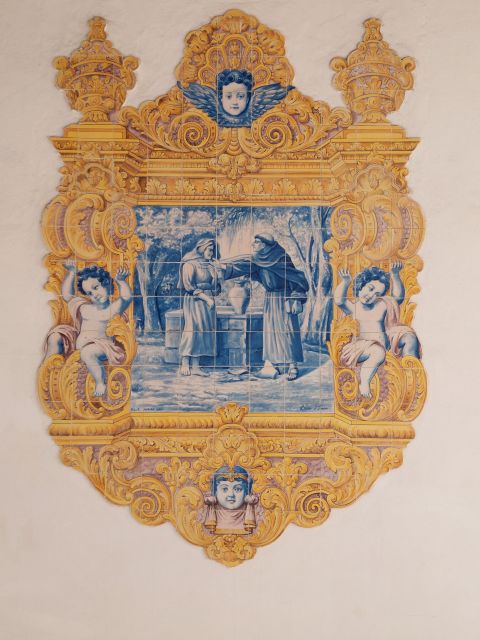
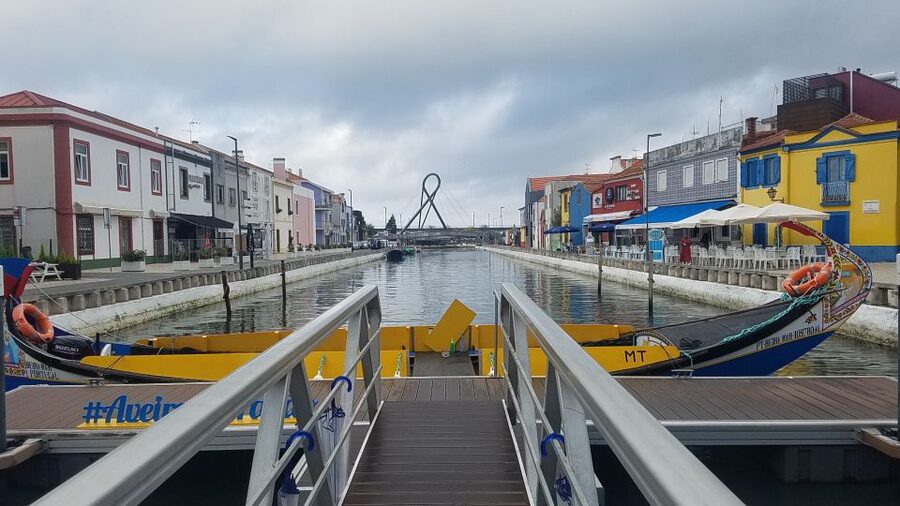
At Canal da Fonte Nova, the tour turns toward industry. One of the old ceramic factory buildings still survives here, giving you a physical link to the manufacturing side of Aveiro.
This is a strong section for anyone interested in how towns actually functioned. The canals were not made only for pretty views. They had practical uses tied to transport, work, and the lagoon. The guide explains how the waterways came into being and how they served the city.
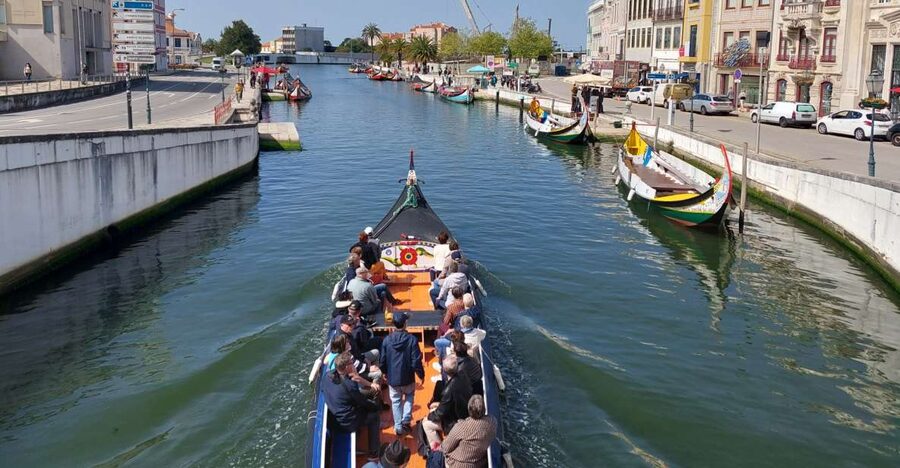
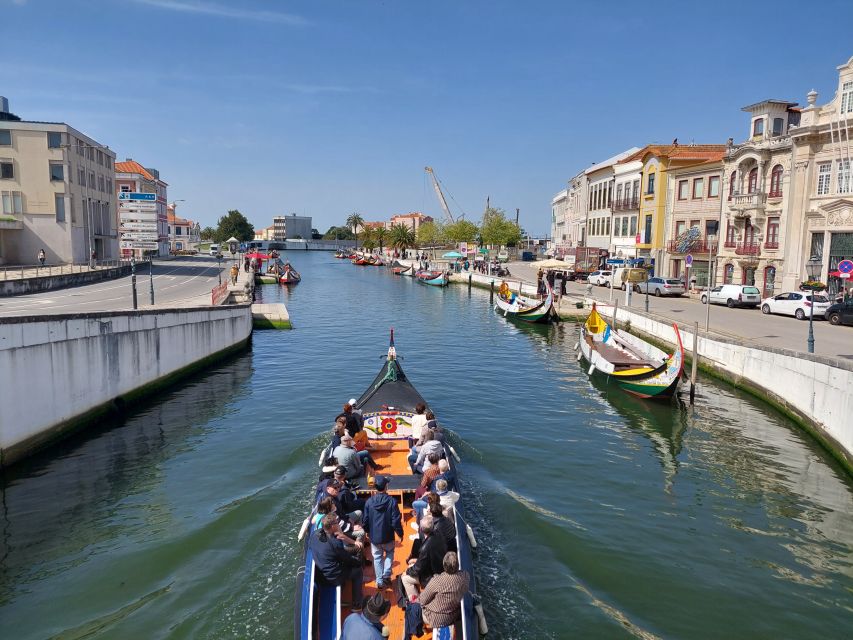
You also learn about the traditional boats of the Ria de Aveiro. Moliceiros are the best known today, often recognized by their bright paint and decorated prows. Mercanteis and other boats had different working roles. Understanding those differences makes the boats more than colorful props for photographs.
I like this part because it connects the city center to the wider lagoon. Aveiro’s identity comes from that meeting point between urban streets and watery working routes. The canals make much more sense once you know what moved through them and why.
Beira Mar, where tiles fill the streets
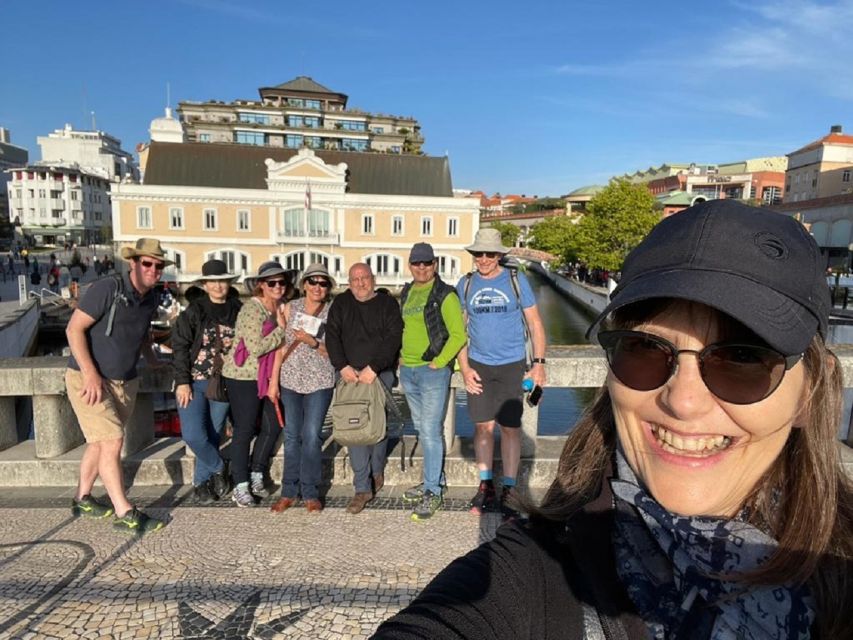
The walk enters the Beira Mar neighborhood, one of the most characterful parts of the route. Here, azulejos appear again and again, covering façades and adding color to streets that might otherwise seem quite plain.
The guide also points out Art Nouveau and Art Deco details, along with iron architecture from the turn of the 19th to the 20th century. Aveiro’s buildings are not all from one period, and the pleasure comes from comparing styles close together.
The Museum of Art Nouveau receives special attention for its two façades. Even if the museum itself is not open, the exterior gives you a clear look at the decorative language that shaped part of Aveiro’s modern image.
Museum access can affect your experience. One Monday walk had closed museums, while a festival day brought free entry and allowed the guide to adapt the route. That means you should not book this tour assuming every interior will be open. The strongest parts of the experience remain outdoors or in free-access sites, but opening days can change the balance.
The guide’s approach is another reason this section works well. Tony Walker is described as a retired teacher and a certified guide nearing 600 hours of training. That background helps explain the tour’s conversational, question-friendly feel. He is not simply reciting dates. He connects architecture, local administration, past events, and present-day Aveiro.
Toward the saltpans
As the walk heads toward the saltpans, the subject shifts from buildings to resources. Salt helped give Aveiro power and purpose, and the lagoon shaped both work and movement.
You will not spend the entire two hours hiking out across the saltpans. Instead, this section gives you context for the water, the salt, and the city’s connection to the coast. It also prevents the canals from feeling like an isolated attraction.
This is where weather matters most. The tour runs in rain or sunshine, and there is no promise of shelter along the entire route. Bring sunscreen on bright days and a light weather layer when conditions look uncertain.
The walk back includes local food. Eel stew is one of the traditional dishes discussed, along with ovos moles, Aveiro’s famous sweet made with egg yolk and sugar. You do not receive food or drinks as part of the tour, but the guide gives you useful background for choosing what to try later.
Finishing at São Gonçalinho
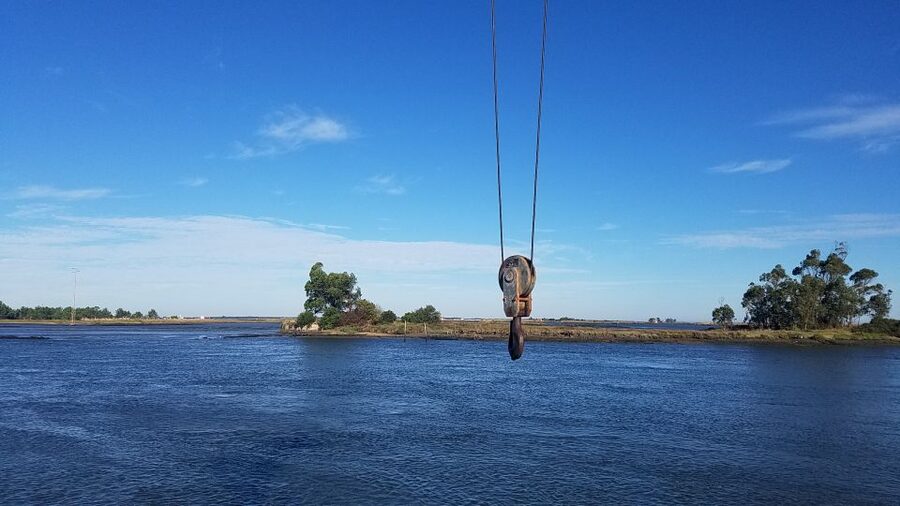
The final stop is the Church of São Gonçalinho. Here, the guide explains the January festival held in the saint’s honor, including the unusual tradition of throwing a hard, heavy local sweet over the heads of the faithful.
It is an excellent ending because it brings together religion, food, humor, and local custom. Aveiro’s traditions are not presented as frozen museum pieces. They are communal, physical, and sometimes wonderfully odd.
The tour finishes back at the original meeting point. That makes it easy to continue with lunch, a separate boat ride, more sightseeing, or a train departure, though you should allow extra time if your onward plans are tight.
What the $20 price really gives you

The $20 fee is fair for a two-hour guided introduction, particularly because it covers many parts of Aveiro that are free to visit but hard to interpret on your own. The price is not paying for admission tickets or transport. It pays for the route, the explanation, and the connections between places.
At $10 per hour, you are getting a compact orientation to the city’s religious art, tile work, industrial past, lagoon boats, salt trade, and food traditions. That is good value if you might otherwise spend the day walking past these details without seeing their meaning.
The main limit is that the tour cannot cover everything in depth. Two hours moves quickly, especially with questions or time spent examining church interiors. If you want a slow photography walk, museum visit, or extended canal cruise, you will need additional time after the tour.
Free cancellation up to 24 hours before the start and a reserve-now, pay-later option make the booking fairly flexible. Check the available starting times before planning other activities around it.
Who should book this walk
I would choose this tour if you are visiting Aveiro for the first time and want more than a quick canal photograph. It suits adults who enjoy architecture, local stories, religious art, and the practical side of city history.
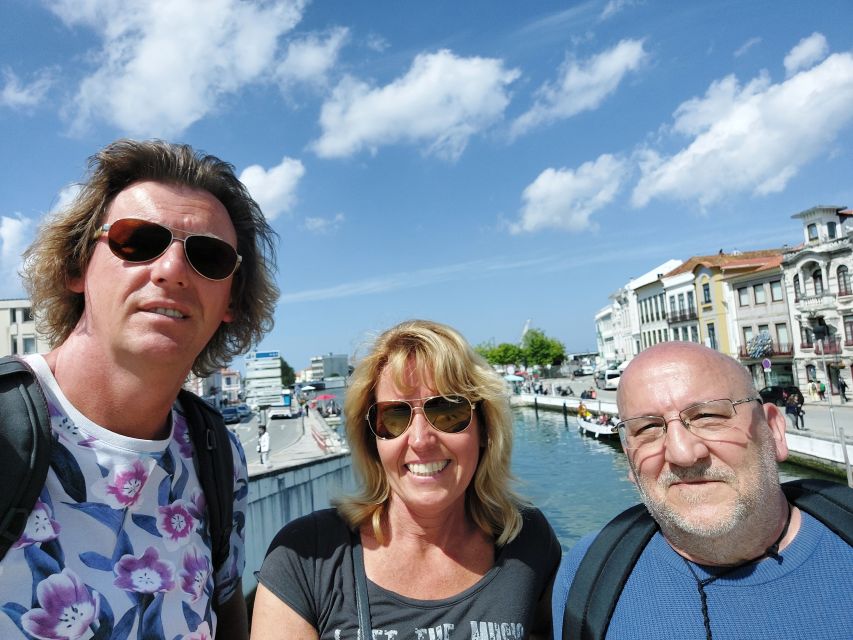
It is also a good choice if you prefer a guide who answers questions and adjusts the discussion. Tony or António is repeatedly described as warm, funny, and willing to spend extra time when the group is engaged. That personal style can make the difference in a city where many details are easy to overlook.
You should think twice if you have a low fitness level or find two hours on foot difficult. The experience is not suitable for children under 10, pregnant women, wheelchair users, people with mobility impairments, or anyone bringing a large bag, bicycle, or baby carriage.
The tour is offered in English, Portuguese, French, and Spanish. Check your preferred language and start time when booking.
Should you book the Aveiro Stories, Canals, and Azulejos tour?
Book it if you want Aveiro to make sense as a real city, not just a collection of canals and painted boats. The route is especially useful for noticing tiled façades, church interiors, Art Nouveau details, and the working purpose behind the lagoon.
Skip it if you only want a boat ride, a food tasting, or a very gentle stroll. For most first-time visitors who can manage the walking, $20 is a sensible investment, and you can add a separate moliceiro cruise afterward if you want the full canal experience.
FAQ
How long does the Aveiro walking tour last?
The tour lasts two hours.
How much does the tour cost?
The listed price is $20 per person.
Where does the tour start?
Meet near the statue in the center of Praça da República. The guide will wear a yellow and blue badge.
Where does the tour finish?
The activity finishes back at the original meeting point.
Which languages are available?
The tour is offered in Portuguese, French, English, and Spanish.
Are entrance tickets included?
The route uses sites that are either viewed as part of the walk or have free entry. Food, drinks, and paid extras are not included.
Does the tour include a canal boat ride?
No. The walking tour discusses Aveiro’s traditional boats, including moliceiros and mercanteis, but a boat trip can be booked separately.
What should I bring?
Bring comfortable shoes, sunscreen, weather-appropriate clothing, and a passport or identity card.
Is the tour suitable for children or people with mobility limitations?
It is not suitable for children under 10, pregnant women, wheelchair users, people with mobility impairments, people with a low level of fitness, or visitors bringing baby carriages. Large bags, bicycles, alcohol, and drugs are not allowed.
The newest listings around Aveiro
- From Porto: Aveiro Private Guided Day Trip★ 4.8 · 50 reviews
- From Porto: Aveiro Half-Day Tour with 1-Hour Cruise★ 4.2 · 214 reviews
- Aveiro Canal Cruise in Traditional Moliceiro Boat★ 3.5 · 131 reviews
- Moliceiro Boat Tour on the Ria de Aveiro★ 4.5 · 262 reviews
- Porto:Aveiro, Cruise, Costa Nova & Capelha da Pedra Full Day★ 4.5 · 434 reviews
- From Porto: Aveiro, Paiva Walkways, Suspension Bridge and Lunch★ 5.0 · 434 reviews
- 516 Arouca Bridge, Paiva Walkways and Aveiro Tour★ 5.0 · 289 reviews
- Aveiro: Boat Cruise and City Walking Tour with Sweet Tasting★ 4.7 · 318 reviews
Walking Tours, compared.
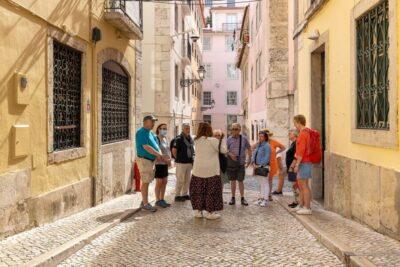

Best of Lisbon Small-Group Guided Walking Tour
Read our review →

Porto Walking Tour, Lello Bookshop, River Cruise and Cable Car
Read our review →

Best of Lisbon Walking Tour: Rossio, Chiado & Alfama
Read our review →
Experience Porto’s Charm: 3-Hour Guided Walking Tour
Read our review →
Enjoy a Guided Levada Walk in the Rabaçal Valley
Read our review →Browse the lists this tour appears in