
Reviewed · NATIONAL PARKS
Lisbon: Tagus Estuary Nature Reserve Birdwatching Boat Tour
Lisbon’s biggest surprise may be just beyond its waterfront skyline: a huge tidal estuary where flamingos, spoonbills, ibis, herons, and birds of prey gather within easy reach of the city. This three-hour cruise with guide Carlos Cera takes you from Parque das Nações into the Tagus Estuary Nature Reserve, where the water and mudflats set the pace.
I like the small group of up to 10 people, which gives you room to look through binoculars without fighting for space. I also like the mix of birding and scenery: you get wildlife, bridges, river views, and a peaceful break from Lisbon’s hills and pavement. The main consideration is simple: birds are wild, and sightings depend on tides, season, fog, and weather.
Key points
- A short hop from central Lisbon: Meet beside the Onda Luso-Americana artwork near Parque das Nações.
- Carlos Cera leads the trip: He identifies birds, explains their behavior and migration, and adjusts the route to the conditions.
- The winter season is strongest: Up to 120,000 wintering birds may gather in the estuary, with 2024 counts recording 12,000 flamingos.
- A genuinely small boat experience: The group is limited to 10 people, with life jackets and binoculars provided.
- Tides shape the show: Exposed mudflats can bring feeding waders close to the boat.
- You get more than birding: The route includes Parque das Nações, Bairro dos Pescadores, Mouchão da Póvoa, and the Vasco da Gama Bridge.
Why the Tagus Estuary is worth three hours
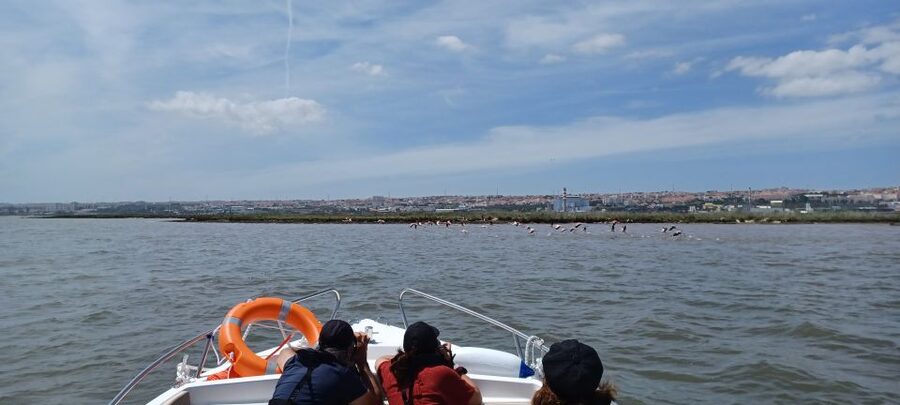
The Tagus Estuary Nature Reserve feels far removed from Lisbon, even though you reach it from the city’s modern eastern waterfront. The reserve covers about 14,000 hectares, and around 200 bird species have been identified there. Regular winter counts reach roughly 120,000 birds.
That scale matters. This is not a short harbor cruise with the occasional gull passing overhead. The boat heads toward channels, islands, and mudflats where birds gather to feed, rest, or migrate. You might see large groups, or you might spend several minutes watching one bird of prey work across the marsh. Both moments are part of the experience.
The estuary is also a useful reminder that Lisbon is more than old lanes, tiled churches, and lookout points. From the boat, the city becomes one part of a much larger setting. You see bridges and buildings, then turn toward open water and low marshland where the main attraction has feathers.
More Boat Tours in Lisbon
- Lisbon: Sunset Boat Party Cruise with DJ and Open Bar
★ 4.5 · 10,378 reviews - Lisbon: Daytime/Sunset/Night City Sailboat Tour with Drink
★ 4.9 · 3,114 reviews - Lisbon: Sunset Cruise with Welcome Drink and Snacks
★ 4.4 · 3,021 reviews
Carlos Cera makes the difference
Carlos Cera is both captain and guide, and that combination matters on a wildlife trip. He knows where to look, which areas suit the tide, and how to approach birds without causing them distress. His explanations cover identification, habitat, migration, and the estuary itself.
I would not book this expecting a scripted ride with a fixed list of stops. The best parts depend on what is happening on the water that morning. Carlos may slow down for a bird in flight, change position for a better view, or spend time near feeding mudflats rather than rushing through the route.
His style also suits mixed groups. Beginners can ask basic identification questions, while experienced birders can focus on migration patterns and less familiar species. You might see 17 species, more than 20, or over 30 in a strong three-hour outing. There is no honest way to promise a number, but Carlos’s local knowledge gives you a better chance than simply cruising the river alone.
Starting at Parque das Nações
The meeting point is next to the Onda Luso-Americana artwork in the Parque das Nações area. This is a practical location for a city visit because the district is easy to reach by metro, and it offers a modern contrast to central Lisbon.
At the marina, you receive a safety briefing of about 15 minutes. Life jackets are worn by everyone, and the crew provides binoculars. You should still bring your own pair if you have one, especially if you want to compare birds at a distance or take your time while another person is using the supplied equipment.
The boat is small and comfortable in calm conditions. That helps the group stay close to the guide and keeps the trip personal. It also means you should dress for the weather rather than assume the city’s temperature tells the whole story. Bring a jacket, sunglasses, comfortable shoes, sun protection, and clothing suited to the forecast.
Parque das Nações and the first views
The opening section passes through Parque das Nações, with time for photographs and a guided look at the waterfront. You see Lisbon from the river instead of from a pavement or viewing terrace.
This part is less about serious birding and more about getting oriented. The modern waterfront, marina, and broad river give you a clear sense of how close the reserve is to the city. It is a good warm-up for the transition from urban scenery to marsh and open water.
The boat then continues past Bairro dos Pescadores. The route provides more views and a glimpse of the river’s working character before reaching the reserve. Do not judge the trip by the first few minutes. The wildlife portion comes later, and the scenery changes gradually.
Same base, a completely different sort of day:
- Lisbon City Center Tour – The Unmissable Lisbon
★ 5.0 · 22,234 reviews - Lisbon: Jerónimos Monastery Entrance Ticket
★ 4.1 · 14,164 reviews - Lisbon: History, Stories and Lifestyle Walking Tour
★ 4.8 · 10,902 reviews - Lisbon: Oceanário de Lisboa Entrance Ticket
★ 4.6 · 9,943 reviews
Entering the Tagus Estuary Nature Reserve
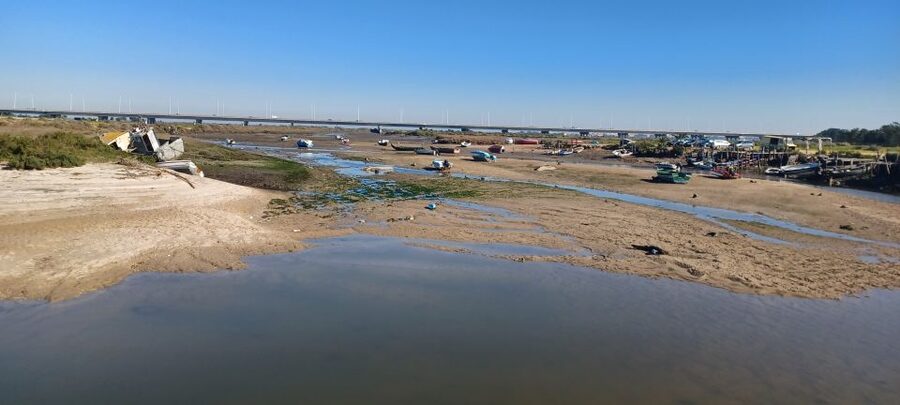
The reserve is where the trip earns its price. You spend about two and a half hours in the main wildlife area, looking for birds across channels, mudflats, and low islands.
Tidal mudflats are especially important. As the tide drops, feeding areas appear, and waders gather to search for food. Timing can make a real difference, so checking the tide before booking is a useful step if you have flexible dates. Still, conditions change, and no tide chart can guarantee a particular bird.
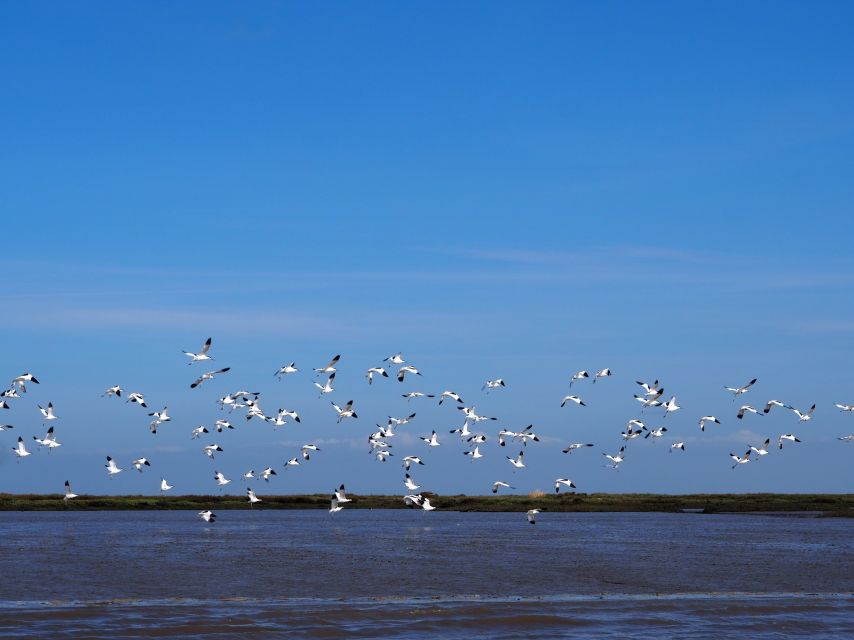
Common sightings may include avocets, spoonbills, glossy ibis, little and cattle egrets, purple herons, little terns, marsh harriers, ospreys, and flamingos. The exact mix depends on the season. Summer can be quieter for some migrating species, yet outings in July have produced a surprising range of birds. Autumn and winter generally offer stronger numbers, with migration and wintering flocks adding movement to the scene.
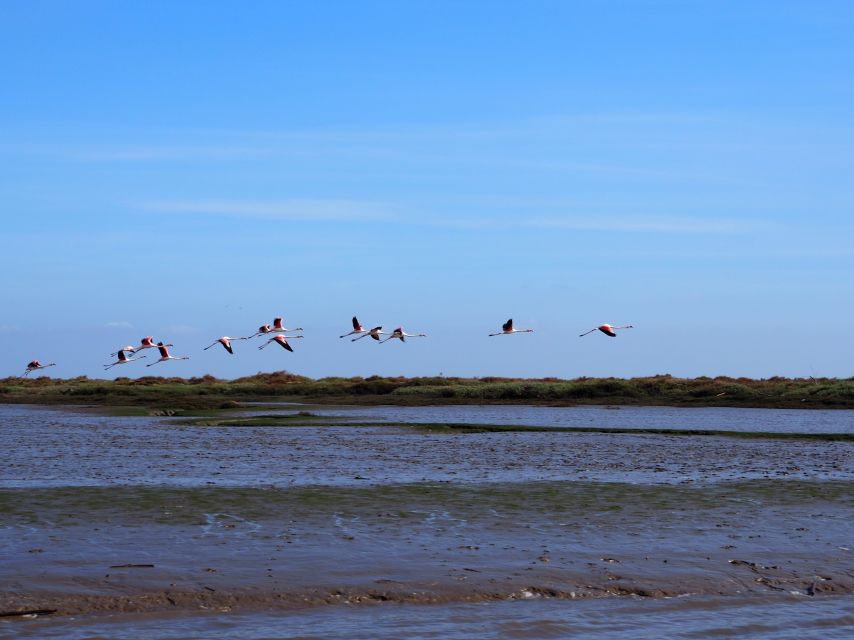
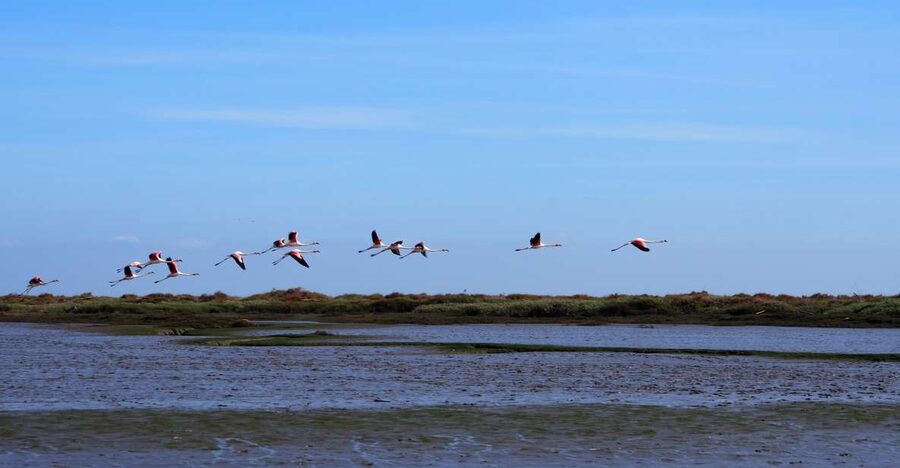
Flamingos are one of the great prizes. In 2024, about 12,000 were counted in the estuary. You may see hundreds in flight or groups resting and feeding, but the number visible from the boat will vary. The same applies to spoonbills and ibis. Their presence is possible, not guaranteed.
Birds of prey add another layer. Marsh harriers may patrol the islands, while ospreys can appear flying over the water. These sightings are often brief, so keep your binoculars ready and listen when Carlos points something out.
The importance of tides, seasons, and weather
This is a nature outing, not a theater performance. Fog can cancel a morning departure, and wind or rough water can change the route. Safety comes first, and an outing may be called off at short notice if conditions become unsuitable. If it cannot be rescheduled, the full ticket price is refunded.
The season affects the experience in clear ways. Winter brings large numbers of visiting birds, and the regular winter count can reach 120,000. Spring may offer breeding activity but fewer winter migrants. Summer can still produce herons, stilts, ibis, terns, and other species, though some birds have moved elsewhere. Autumn migration can bring large flights and good variety.
I would choose the date based on your priorities. For the biggest numbers, aim for the cooler months. For warmer weather and a calmer city break, summer can still work well. In every season, the tide is worth checking, and a clear forecast improves your chances of good photographs.
Mouchão da Póvoa and the return route
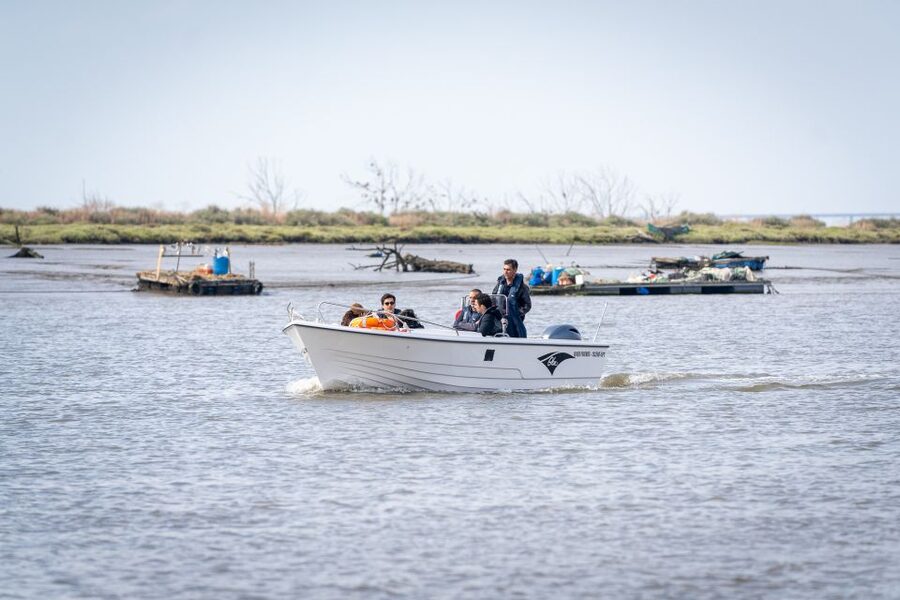
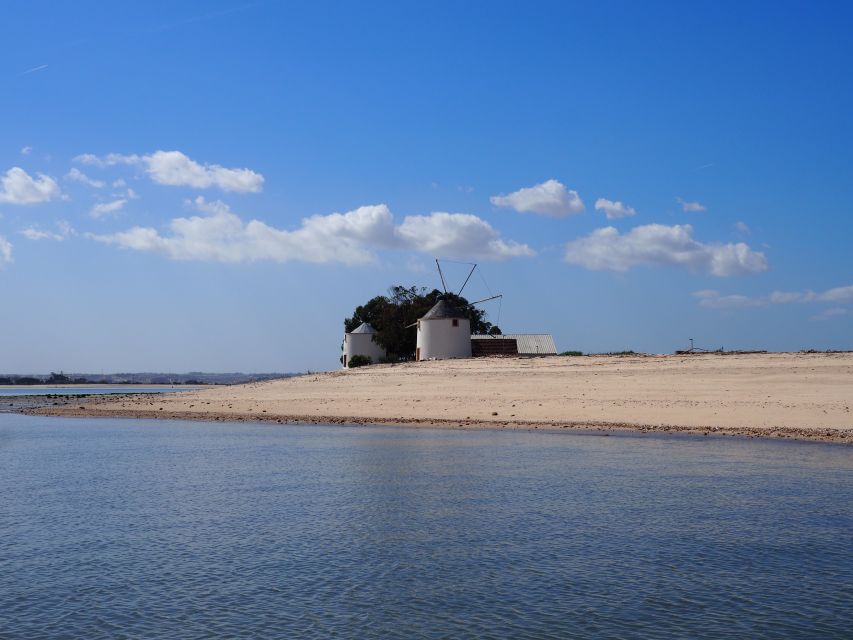
Mouchão da Póvoa appears as a pass-by point on the route, with more opportunities for wildlife viewing and photographs. It adds variety to the reserve section and helps you see how the estuary is shaped by channels, islands, and shallow water.
The boat does not turn this into a land visit, so you should not expect to walk through the reserve. The reward is the ability to cover more water and look for birds in different areas without spending the day on foot. That makes this a particularly good choice if you want nature without a long hike.
On the way back, the boat passes beneath or near the Vasco da Gama Bridge. The bridge gives the final stretch a strong sense of place and offers one more photographic angle. You see Lisbon’s modern engineering against the wide Tagus, then return to the Onda Luso-Americana meeting point.
What the small group means
A maximum of 10 people is one of the strongest features of the outing. On a small boat, a large crowd would make binocular use, photography, and quiet observation difficult. Here, you have a better chance of hearing Carlos when he names a bird and following his direction when something appears.
The group size also makes the trip feel flexible. The route can respond to the conditions rather than simply moving from one fixed stop to the next. If you are traveling with children, the short three-hour length helps. Families have found the outing manageable, and the boat provides a change from Lisbon’s steep streets and long walking days.
The small boat has limits, too. Space is not unlimited, so pack only what you need and keep your camera equipment compact. The trip is most comfortable when everyone accepts that wildlife watching requires patience and occasional quiet.
Price and what you receive for $58
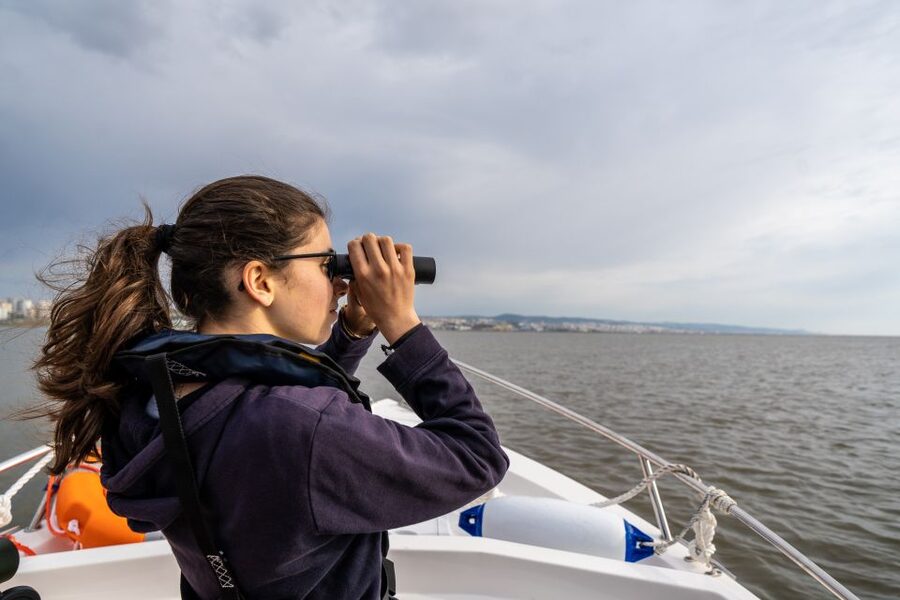
At $58 per person, this is not the cheapest way to spend a morning in Lisbon, but it offers more than a basic sightseeing cruise. Your fare covers fuel, operating fees, insurance, life jackets, binoculars, and the guide’s time for a three-hour trip into a protected estuary.
The value is strongest if you care about birds or want a serious change of pace from the city. Carlos’s ability to identify species and read the water adds something you could not easily reproduce on your own. You are paying for access, transport across the estuary, safety, equipment, and local field knowledge.
Food and drinks are not included. You can bring a picnic if you want one, but remember that the boat is focused on viewing wildlife rather than serving lunch. Plan to eat before or after the outing, or carry something simple that will not interfere with your binoculars and camera.
Who should book this cruise
I would recommend it first to birders, nature photographers, and anyone who enjoys quiet outdoor time. You do not need expert birding skills. Beginners can have a very good time because Carlos explains what you are seeing and provides binoculars.
It also suits people who have already spent several days sightseeing in Lisbon and want a different kind of outing. The cruise is not built around strenuous walking, and one visitor specifically appreciated getting outdoors without adding thousands of steps to the day.
Families can consider it, especially if children like animals and can sit patiently in a small boat. The wildlife is not guaranteed, so young children who need constant activity may find the slower pace difficult. The best approach is to present it as a search rather than a guaranteed flamingo show.
You should think twice if you want a fixed schedule, guaranteed sightings, or a warm, sheltered ride in all weather. Wind, fog, tide, and season all matter. The operator allows cancellation up to 24 hours ahead for a full refund, and tours may be rescheduled if weather or sea conditions make departure unsafe.
What to bring for a better outing
Bring comfortable shoes, sunglasses, a camera, biodegradable sunscreen, a jacket, and weather-appropriate clothing. The river can feel different from the city, so a light extra layer is sensible even on a pleasant day.
Binoculars are supplied, but your own pair may improve the experience. A camera with a useful zoom can help, though you should not expect every bird to sit close or remain still. Bring identification documents as requested, and keep your gear easy to reach rather than buried in a large bag.
A picnic is allowed if you prefer to carry one, but food and drinks are not part of the ticket. Most importantly, bring patience. The quiet minutes are not wasted time. They are when you begin to notice movement across the mudflats and learn how Carlos searches.
Should you book the Tagus birdwatching cruise?
Book it if you want Lisbon’s wild side, especially if flamingos, waders, raptors, and migration interest you. The small group, supplied binoculars, and Carlos Cera’s personal guidance make the $58 fare fair for a three-hour trip.
For the best chance of large flocks, look at autumn and winter dates and check the tide. If you visit in spring or summer, keep your expectations flexible, but do not assume the birding will be poor. The estuary can still produce memorable sightings outside peak season.
I would skip it only if your schedule cannot tolerate weather changes or if you need guaranteed wildlife. For everyone else, this is one of the more distinctive ways to spend part of a Lisbon day: less pavement, more open water, and a remarkable reserve close to the city.
FAQ
Where does the Tagus birdwatching boat tour meet?
The meeting point is next to the Onda Luso-Americana artwork near Parque das Nações in Lisbon.
How long does the tour last?
The activity lasts three hours, including the marina safety briefing and the cruise through the Tagus Estuary Nature Reserve.
How many people are in the group?
The tour is limited to 10 participants.
Is birdwatching equipment provided?
Binoculars are included. You may also bring your own binoculars and camera.
Which birds might I see?
Possible sightings include flamingos, spoonbills, avocets, herons, ibis, little terns, marsh harriers, and ospreys. Sightings depend on season, tide, and weather.
Is the tour suitable for beginners?
Yes. Carlos Cera identifies birds and explains their habitat, behavior, and migration, making the experience suitable for different levels of birding experience.
What languages are available?
Tours are offered in Portuguese, English, Spanish, and French. The live guide languages specifically listed are Portuguese, English, and Spanish.
Are food and drinks included?
No. Food and drinks are not included, though you may bring a picnic if you prefer.
What happens if the weather cancels the tour?
Boat trips depend on weather and sea conditions. If the tour is canceled, the operator will try to reschedule it. If rescheduling is not possible, you receive a full refund.
More National Park Tours in Lisbon
- Waterfall, Lagoon and Old Village in Peneda-Gerês National Park
★ 5.0 · 1,132 reviews - Madeira: Garajau Nature Reserve Kayak and Snorkel Tour
★ 4.1 · 906 reviews - From Porto: Peneda-Gerês National Park Tour with Lunch
★ 4.9 · 886 reviews - Small Group Geres National Park Full Day with picnic from Porto
★ 5.0 · 846 reviews
The newest listings around Lisbon
- The Real Lisbon Street Art Private Guided Tour by Minivan★ 4.8 · 49 reviews
- Lisbon: Historical Walking Tour with Jeronimos Monastery★ 4.5 · 71 reviews
- Lisbon: Port Wine Tasting at Taylor’s Shop and Tasting Room★ 4.6 · 490 reviews
- Lisbon: Tagus River Cruise With Brunch★ 3.2 · 73 reviews
- South Lisbon: 3-Hour Christ the King Electric Bike Tour★ 4.8 · 97 reviews
- Oeiras Coast: Stand Up Paddleboarding near Lisbon★ 4.9 · 56 reviews
- Small Group Walking Tour of Belém★ 4.9 · 80 reviews
- Lisbon: 3-Hour Secret Food Tour★ 4.7 · 53 reviews
National Parks, compared.

Waterfall, Lagoon and Old Village in Peneda-Gerês National Park
Read our review →


Small Group Geres National Park Full Day with picnic from Porto
Read our review →

Peneda-Gerês National Park Tour with Kayaking & Lunch
Read our review →

Browse the lists this tour appears in