
Reviewed · MONASTERY TOURS
Batalha Monastery Entrance Ticket
Batalha Monastery is the kind of place that makes Portugal’s medieval past feel solid and close. Built after Portugal’s 1385 victory over Castile, it combines a soaring Gothic church with intricate Manueline stonework, a royal burial site, and unfinished chapels open to the sky. I like the 32.5-meter central nave and the colorful medieval stained glass, among the country’s earliest examples. I also like that this is a self-guided visit, so you can pause over small carvings instead of being hurried along.
The main drawback is simple: a ticket gives you access, not a guide or organized explanation. If you want the political story and architectural details fully unpacked, you will need to read the signs, use your own guidebook, or arrange extra research before arriving.
Key points to know before you go
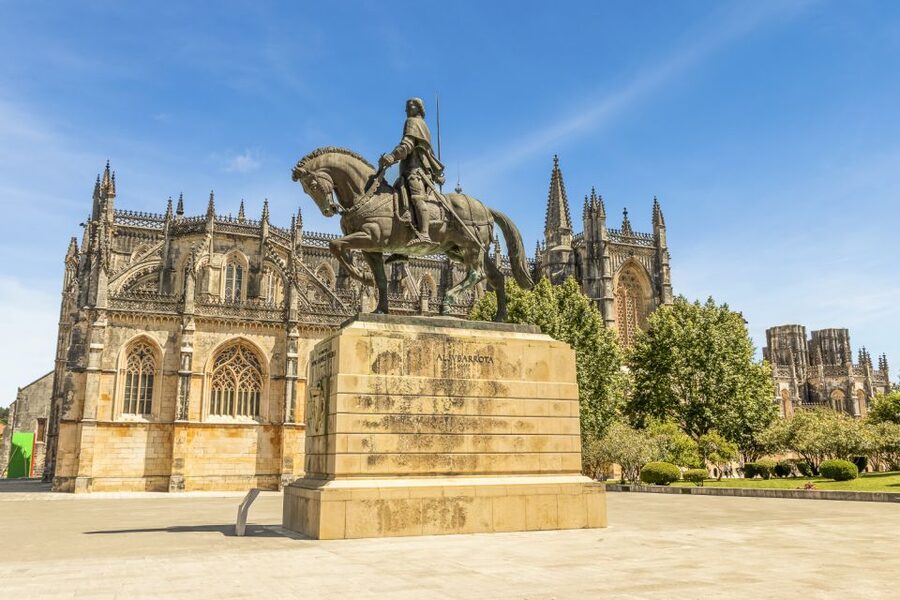
- A royal monastery built after Aljubarrota: King João I funded the complex after Portugal defeated Castile in 1385.
- One ticket covers a large complex: See the church, Royal Cloister, Chapter Hall, dormitory, dining room, kitchen, and Imperfect Chapels.
- The central nave reaches 32.5 meters: Eight columns on each side support the lofty Gothic interior.
- Medieval stained glass adds color: The Chapel contains some of Portugal’s earliest stained-glass work.
- It is a self-guided visit: You explore at your own speed, without a listed guide or group schedule.
- The ticket is valid for one day: Skip the ticket line, but bring the required printed voucher.
Why Batalha Monastery matters

Batalha Monastery, formally the Monastery of Santa Maria da Vitória, was built to mark Portugal’s victory at the Battle of Aljubarrota. That battle took place in 1385, when Portuguese forces defeated the Castilians and protected Portugal’s independence. King João I then funded this Dominican monastery as a statement of thanks, power, and royal confidence.
That background gives the building more weight than a fine church alone. You are not simply looking at decorative stone. You are walking through a national monument tied to the monarchy, military victory, religious devotion, and royal burial.
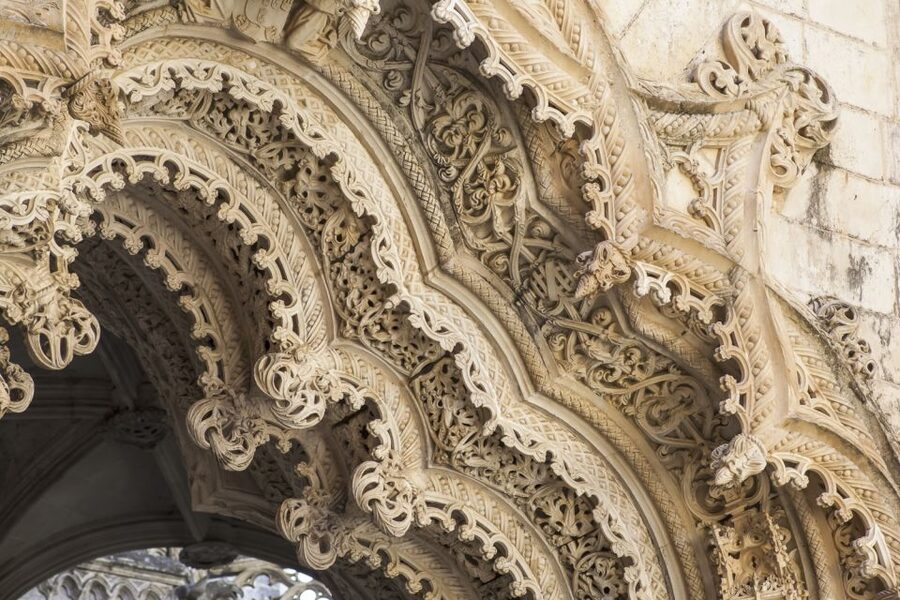
The complex has been a UNESCO World Heritage Site since 1983. Its importance comes from its unusual mix of Portuguese Gothic and Manueline design. Gothic forms give the church its height and structure, while Manueline details add carved ropes, plant forms, and maritime-style decoration in parts of the later work.
You do not need to be an architecture specialist to enjoy it. Look first at the scale, then slow down and notice the carved details. The building rewards both the casual visitor who wants a beautiful stop and the history-minded visitor who wants to understand Portugal’s royal past.
More Monastery Tours in Nazare
- Templar Tour Convent of Christ & Almourol Castle from Lisbon
★ 5.0 · 704 reviews - Convent of Christ Tour “Portugal in the Map” – Visit Tomar with a local guide!
★ 5.0 · 105 reviews - Tomar: Knight’s Templar Castle and Convent of Christ Tour
★ 4.9 · 84 reviews
Entering the church and looking up
The church is the natural starting point. Its central nave rises to about 32.5 meters, a height that gives the interior a striking sense of lift. Eight columns line each side, directing your eyes forward and upward toward the stone vaulting.
I recommend taking a few moments near the entrance before moving farther inside. From there, you can take in the full height of the nave and see how the columns organize the space. The design is impressive because it feels controlled rather than crowded. The decoration does not overwhelm the structure.
The church also functions as a royal pantheon. That makes the interior more than a place of worship. It is closely tied to the Portuguese monarchy and the people who shaped the country during the late medieval period.
The ticket gives you time to examine the church at your own pace. You can focus on the broad view, then return to smaller details such as carved stone, arches, and the relationship between the nave and chapels.
Medieval stained glass in the Chapel
One of the most rewarding details is the colored medieval stained glass. Batalha was among the first buildings in Portugal to use stained glass, and the windows bring a softer note to the heavy stone interior.
The color is especially effective when viewed with the Chapel’s columns and surrounding masonry. Instead of treating the windows as a separate display, look at how they alter the feeling of the space around them. The stone gives you weight and order; the glass adds color and light.
This is also a good reason not to rush through the church. Large monuments often tempt you to photograph the nave and leave. At Batalha, the smaller features carry much of the pleasure. Take time to look toward the windows and observe the patterns, colors, and way the light sits against the stone.
The details may be easier to appreciate if you visit when you are not pressed for time. Since the ticket is valid for one day, you have some flexibility in planning your visit around your wider schedule.
The Royal Cloister and the working monastery
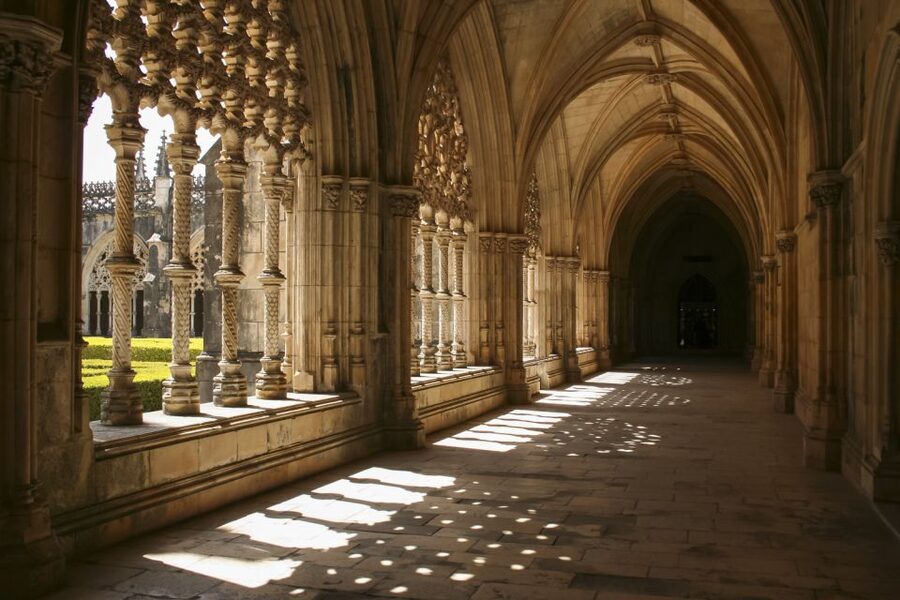
The Royal Cloister gives you a different view of Batalha. The church is about height and ceremony. The cloister is about repetition, movement, and the daily life of the Dominican community.
Walk through the carved arcades and pay attention to the rhythm of the columns and openings. Manueline decoration is particularly important here, and the stonework becomes more intricate as you look closely. The courtyard arrangement also helps you understand how the monastery was organized.
From the cloister, you can reach areas connected with monastic life, including the dormitory, dining room, and kitchen. These spaces help balance the grandeur of the royal church. They show that the complex was also a working religious community, not only a monument designed for royal memory.
I like this change of scale. After the tall nave, the cloister gives you a calmer route through the building. You can slow down, compare repeated carvings, and think about how the monastery worked from day to day.
The lack of a listed guide is more noticeable in these areas. A guide could explain how each room was used and point out details that you might otherwise pass. Still, the layout is straightforward enough to explore independently, especially if you have read a little about the monastery before arriving.
Same base, a completely different sort of day:
- Three Cities in One Day: Porto, Nazare and Obidos from Lisbon
★ 4.5 · 3,572 reviews - Peniche: Berlengas Island Trip, Hiking and Cave Tour
★ 4.7 · 1,473 reviews - Peniche: Berlenga Island and Cave Tour
★ 4.7 · 1,432 reviews - From Lisbon: Day Trip to Porto, Óbidos, and Nazaré
★ 4.5 · 1,311 reviews
The domed Chapter Hall
The Chapter Hall is one of the complex’s important interior spaces. Its domed form differs from the long, vertical feel of the church, giving you another example of how the monastery’s architecture changes from room to room.
The hall is worth seeing for its structure as much as its decoration. Look at how the ceiling is supported and how the room feels compared with the nave. The church points you along a long central axis, while the Chapter Hall gathers attention into one contained space.
This is the sort of stop that benefits from a few quiet minutes. You do not need to spend a long time there, but it helps to pause and look upward before moving on. The contrast between the nave and Chapter Hall makes the overall complex easier to understand.
The Imperfect Chapels
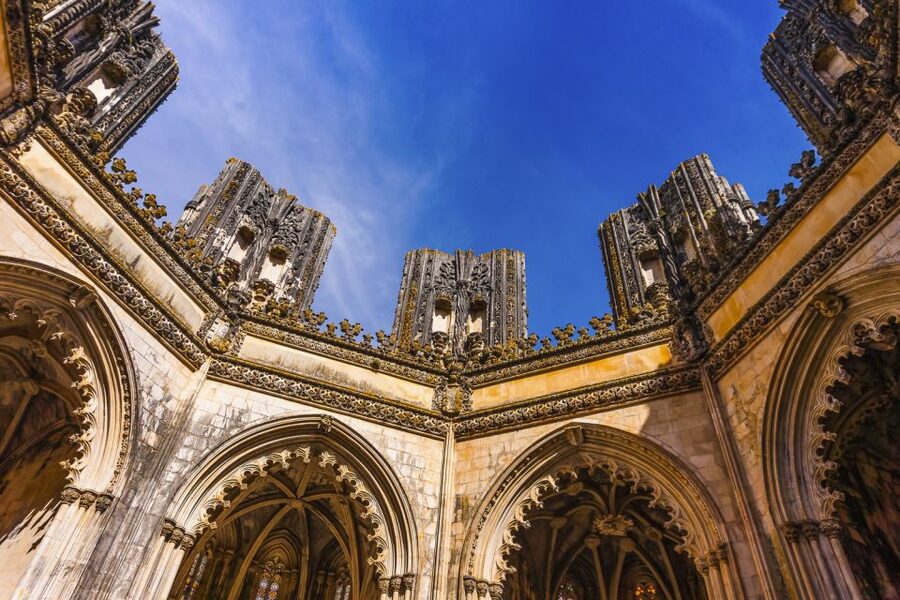
The Imperfect Chapels are Batalha’s most unusual section. They were never fully completed, and their open quality gives you a memorable look at the building process itself.
Rather than seeing only a polished finished monument, you can observe where the architectural plan remained incomplete. The chapels show ambition on a grand scale, but also the practical limits of time, money, or changing priorities. Their unfinished state is not a flaw to ignore. It is the reason this part of the complex feels different from the completed church and cloister.
These chapels are especially useful for visitors who enjoy seeing how historic buildings were made. Finished walls tell you what the designers wanted. Unfinished sections can show you more about the stages of construction and the limits of the project.
The name can sound modest, but the space is not. Include it in your visit rather than treating it as an optional extra. The Imperfect Chapels help make Batalha more than a standard church-and-cloister stop.
How the ticket works at $17
At $17 per person, the ticket is reasonably priced if you plan to see the full complex. You are paying for access to a major UNESCO-listed monument with several distinct areas, not just the main church.
The value is strongest for independent visitors. You can explore without paying for a private guide, and the ticket includes the booking fee. It also lets you skip the ticket line, which can make a difference when you are fitting Batalha into a busy day.
The ticket is valid for one day, but check the available starting times when booking. Bring the required printed voucher to the ticket office at Mosteiro de Santa Maria da Vitória, Batalha, 2440-109 Batalha. The visit begins and ends at that meeting point.
There is no listed transport, tour leader, or guided commentary included. Plan on making your own way to the monastery and setting your own pace inside. That suits readers who prefer freedom, but it may disappoint you if you want a fully narrated historical tour.
The ticket is wheelchair accessible, which makes this a practical choice for many visitors. If plans change, free cancellation is available up to 24 hours in advance for a full refund. You can also reserve now and pay later, useful when your Portugal itinerary is still shifting.
Who will enjoy this visit most
I would choose this ticket if you care about architecture, Portuguese monarchy, medieval churches, or UNESCO sites. It also works well for anyone who prefers to stop, look, and move on without staying with a group.
Families may appreciate the freedom to adjust the pace, though younger children may find the long stone interiors and historical details less engaging. The stained glass, tall nave, and unfinished chapels provide visual variety, which helps keep the visit from feeling like one repeated room.
This is not the best choice if you need a guide to explain every symbol and architectural term. The ticket is built around independent exploration. Bring a guidebook or prepare a little before you arrive if you want more context.
Allow enough time to see the complex without rushing. The church, cloister, Chapter Hall, monastic rooms, and Imperfect Chapels each offer something different. The one-day validity gives you flexibility, but it does not mean the visit needs to be squeezed into the shortest possible stop.
Should you book the Batalha Monastery ticket?
Book it if you want direct access to one of Portugal’s most important Gothic and Manueline monuments and you are happy to explore without a guide. The $17 price is fair for the number of spaces included, especially with the ticket line skipped and the booking fee covered.
I would be less enthusiastic if you are looking for a guided historical experience with live commentary. In that case, you will need to add your own preparation. For most independent visitors, though, Batalha offers a strong mix of scale, royal history, stained glass, cloister details, and unfinished architecture in one visit.
FAQ
Where is Batalha Monastery located?
It is located at Mosteiro de Santa Maria da Vitória, Batalha, 2440-109, in Portugal’s Norte Region.
How much does admission cost?
The listed price is $17 per person, including the booking fee.
How long is the ticket valid?
The ticket is valid for one day. Check availability for the applicable starting times.
What does the ticket include?
It includes entry to Batalha Monastery and access to the complex’s listed areas, including the church, Royal Cloister, Chapter Hall, dormitory, dining room, kitchen, and Imperfect Chapels.
Do I need a printed voucher?
Yes. A printed voucher is required for this activity.
Can I skip the ticket line?
Yes. The ticket includes skip-the-ticket-line access.
Can I cancel the booking?
You can cancel up to 24 hours in advance for a full refund. You can also reserve now and pay later.
The newest listings around Nazare
- Time travel at the Convent of Christ Tomar★ 5.0 · 56 reviews
- Tomar: Convent of Christ and Templar Castle Tour Ticket★ 4.2 · 43 reviews
- From Lisbon: Tomar, Christ Convent & Almourol Castle Tour★ 5.0 · 64 reviews
- Óbidos, Nazaré & Alcobaça: Private Trip by Car★ 4.9 · 113 reviews
- Peniche: Surfing Lessons for all surf levels★ 4.8 · 71 reviews
- Peniche: Berlengas Island Catamaran Tour + Snorkeling★ 4.3 · 60 reviews
- Óbidos: Medieval Tales & Secrets Spots Guided Walking Tour★ 4.9 · 171 reviews
- From Lisbon: Private Óbidos and Nazaré Tour★ 5.0 · 152 reviews
Monastery Tours, compared.
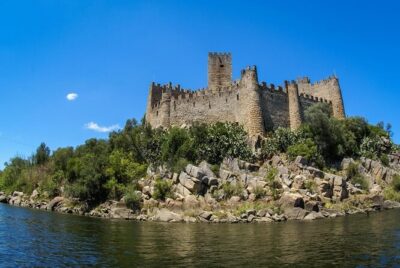
Templar Tour Convent of Christ & Almourol Castle from Lisbon
Read our review →
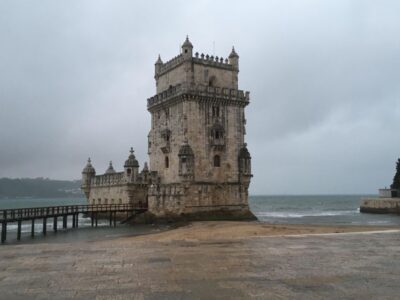
Belem Walking Tour with Jeronimos Monastery Ticket
Read our review →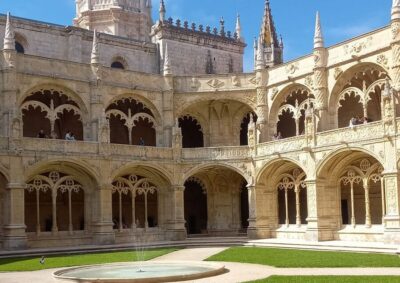
Belem, Jeronimos Monastery, and Coach Museum Tour
Read our review →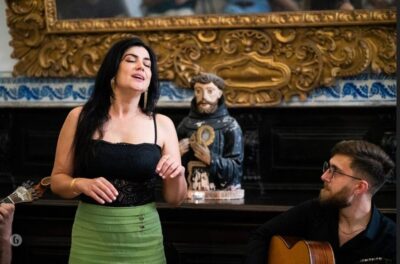
“Porto: Fado Show with Guided Tour in a Historic Monastery”
Read our review →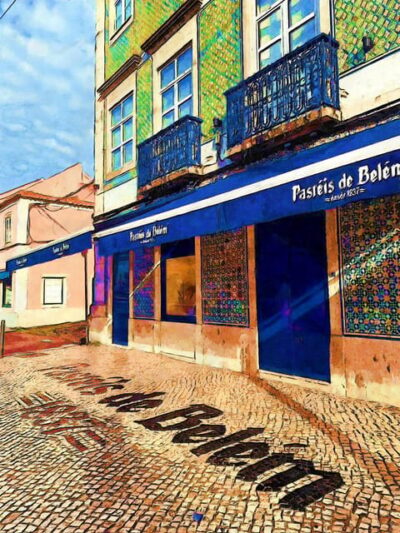
Belem Walking Tour with Jeronimos Monastery Entry
Read our review →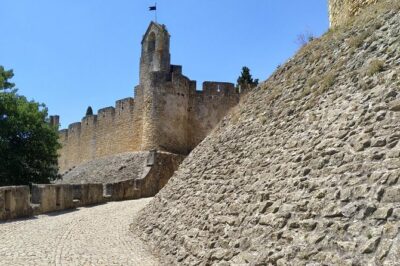
Convent of Christ Tour “Portugal in the Map” – Visit Tomar with a local guide!
Read our review →Browse the lists this tour appears in