
Reviewed · MADEIRA TOURS
Funchal Agriculture Green Tour
Madeira’s agriculture is not a museum display. It is still part of daily life, and this small-group tour takes you into the working places behind the island’s food. You’ll enter a private banana farm, see how fruit is sorted and packed, and meet a cattle-farming family whose trade has continued for more than a century.
I like two things right away: the visits are personal rather than drive-by photo stops, and lunch is a proper local meal with tapas, homemade bread, dessert, drinks, and coffee. The main consideration is pace. Six hours includes several stops, so this is best for you if you enjoy learning about rural life more than ticking off famous viewpoints.
Key points to know
- Private farm access: Visit a banana field and a long-established cattle farm that are not simply roadside attractions.
- Bananas from field to market: See the government-run banana business, including selection, packing, and a possible tasting.
- Madeira’s plant science: Learn local grafting methods at the agriculture school and see fruit trees from Madeira and other parts of the world.
- Home-style lunch included: Eat regional food in a rural house restaurant, with drinks and coffee covered in the price.
- Old rum machinery: Visit Porto da Cruz during the sugarcane season for a chance to see steam machines operating.
- Small group, flexible languages: The group is limited to eight people, with guides available in English, Spanish, French, and German.
Why this tour shows you Madeira beyond the postcard
Most first-time visits to Madeira focus on cliffs, levada walks, gardens, and ocean views. Those are good reasons to come, but they do not explain how people live on this steep island. Agriculture fills the gaps between the roads and towns, often on small plots that require care, patience, and local know-how.
This tour gives you that missing context. You move from bananas in Funchal to fruit trees, cattle, food, and sugarcane in the north and east. I like the way the day connects the pieces. You see what farmers grow, how they maintain it, how produce is handled after harvest, and how local ingredients reach the table.
The group limit of eight matters here. A farm visit works better when you can ask questions, listen to explanations, and look closely at the plants or machinery. It also keeps the outing more manageable on Madeira’s narrow roads and small rural properties.
You pay $100 per person. That is not the cheapest way to spend six hours on Madeira, but the price includes hotel pickup and drop-off in the main service areas, entrances to the farms and agriculture school, a full lunch, drinks, coffee, and rum tasting. For a half-day with several private visits and a meal included, the value is solid if you care about local food and working traditions.
A few more Funchal options worth putting side by side
- Porto Moniz, Seixal, Fanal Forest, Cliff Skywalk in Open Roof 4X4
★ 5.0 · 3,631 reviews - Funchal: Pico do Arieiro Sunrise Transfer Self-guided Hike
★ 4.9 · 2,798 reviews - Madeira Funchal:East Tour Pico Arieiro & Santana&Laurissilva
★ 4.9 · 1,994 reviews
Starting in Funchal with bananas in the field
Pickup is offered from Funchal, Caniço, Garajau, and, in the stated arrangements, Santa Cruz. The exact pickup time can change based on your hotel and the day’s route, so check your email or WhatsApp message and wait in the hotel lobby about ten minutes early. Traffic, accidents, and road works can cause delays of up to roughly fifteen minutes.
The first stop is around São Martinho in Funchal, where you visit a banana farm for about forty minutes. This is one of the most useful stops because you see the crop where it actually grows, rather than only hearing about bananas after they have been packed.
The visit focuses on how farmers care for the land and manage the banana business. You can interact with the people involved and ask about the trade. The private setting makes the stop feel more like a working visit than a standard attraction.
Madeira’s banana farms are a good reminder that farming here is shaped by terrain. Plots are often small, and the work is hands-on. Your guide can explain the local methods as you walk through the field. The experience is especially useful if you have seen banana plantations in other countries and want to understand how Madeira’s version fits into the island economy.
A banana tasting follows when fruit is available. In winter, ripe bananas are not always on hand, so do not book this particular stop expecting a guaranteed tasting at every time of year. The farm visit still takes place, but the tasting depends on the harvest.
Seeing what happens after the bananas are cut
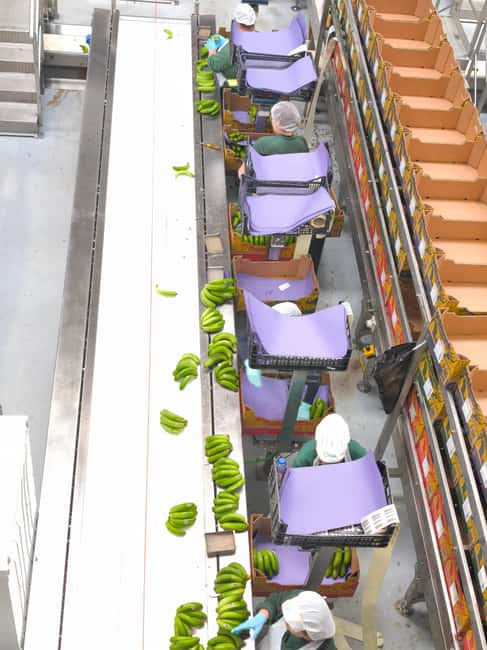
The next stop is GESBA, the government-run company responsible for managing part of Madeira’s banana sector. Allow about forty-five minutes for this guided visit.
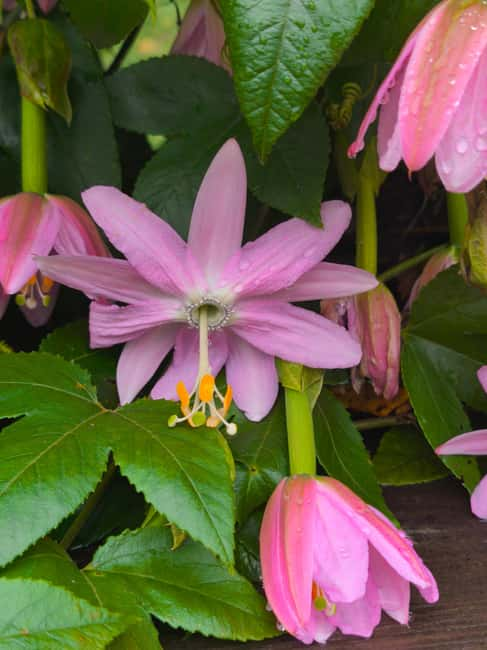
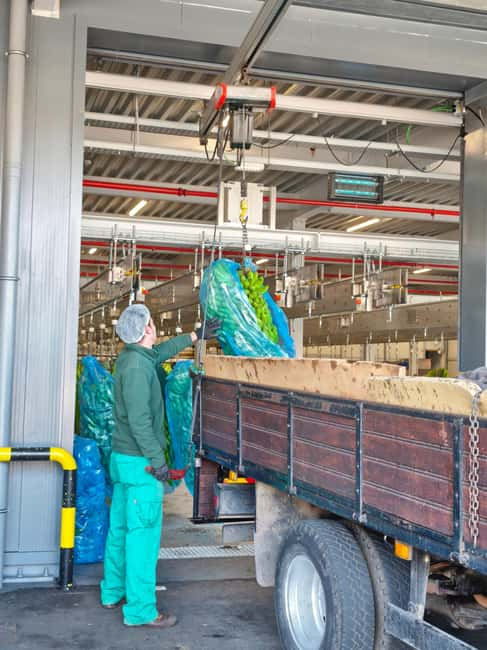
Here you move beyond cultivation and learn what happens after bananas are picked. The process includes selection and packing, which gives you a clearer sense of the work between farm and shop. This is a useful contrast with the private field. At the farm, you see growing and maintenance. At GESBA, you see the organized handling of the fruit once it leaves the plot.
I appreciate this combination because it keeps the agriculture story practical. You are not just shown a plant and handed a fact sheet. You follow the product through two different stages of the business.
Again, banana tasting may be offered, but winter conditions can mean that ripe fruit is not available. If tasting is important to you, ask about seasonal availability before booking.
Grafting and fruit trees at the agriculture school
The route then follows an old road toward the agriculture school at Caminho do Arieiro 97a. Plan on about an hour here, making it one of the longer stops.
Farmers come to the school to buy trees for planting, and the visit explains grafting methods used on Madeira. Grafting can sound technical, but the value is easy to understand: it allows farmers to combine useful qualities from different plants and maintain productive varieties.
You also walk around the grounds to see local trees and international varieties planted many years ago. The examples listed include avocados and lemon trees, along with other fruit trees. When fruit is in season, tasting may be offered.
This is a good stop for curious gardeners, home growers, and anyone who wants more than a quick farm photo. You get a look at the practical knowledge that keeps island agriculture productive. The school also helps explain why Madeira can support such a broad mix of crops despite its limited space.
The timing of fruit tasting is seasonal, so the plant collection itself is the reliable part of the visit. Wear shoes you can walk in comfortably. You will be moving through agricultural grounds rather than sitting indoors for the whole hour.
Same base, a completely different sort of day:
- Madeira Dolphin and Whale Watching on a Ecological Catamaran
★ 4.5 · 1,957 reviews - VipDolphins Luxury Whale Watching
★ 5.0 · 1,709 reviews - From Funchal: Transfer to Pico do Arieiro & Pico Ruivo Trail
★ 4.9 · 1,591 reviews - Whale and Dolphin Watching Tour in Madeira
★ 5.0 · 1,192 reviews
Heading north through Madeira’s farming country
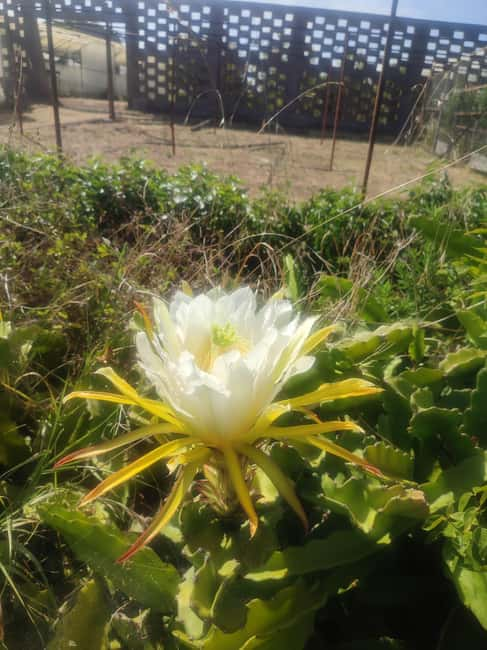
After the agriculture school, the drive heads toward the northern part of the island. The road passes farms and working fields, giving you a moving view of rural Madeira.
This section is not a formal stop with a set activity, but it adds important context. You see how much of the island is shaped by cultivation and how farming continues outside Funchal. The road itself is part of the lesson, especially for visitors who have only seen Madeira from the city, hotel zone, or major sightseeing routes.
The scenery can be striking, but the point is not just to look out the window. Your guide connects what you see to the farming visits earlier in the day. That makes the drive more worthwhile than a simple transfer between attractions.
The route does include hills and rural roads. If you get motion sick, sit where the ride is most comfortable for you and bring what you normally use. The supplied information does not specify seating or vehicle type, so ask the operator if that matters for your comfort.
A Madeiran lunch in a rural house restaurant
Lunch is served in a cozy countryside setting around Santana. You have about an hour for the meal, and it is included in the $100 price.
The food is prepared in a home-style way, with fresh-baked bread, local tapas, vegetables, a choice of fish or meat, homemade desserts, drinks, and coffee. This is more substantial than a quick sandwich stop. You get time to sit down, eat, and enjoy the rural setting.
I especially like this part of the day because food gives you a direct connection to the island. A meal built around local preparation tells you more than a generic restaurant near a major attraction. The menu choice also makes the stop easier for people with different preferences, although the available fish or meat option is not specified in advance.
If you have allergies or strict dietary needs, contact the provider before booking. The supplied details confirm fish or meat choices and local dishes, but they do not promise vegetarian, vegan, gluten-free, or allergy-specific menus.
The lunch also helps break up the farm visits. By this point, you have already spent time walking and listening, so the seated meal is welcome. It is one reason the tour feels like a full half-day rather than a string of short photo stops.
Porto da Cruz and the old rum factory
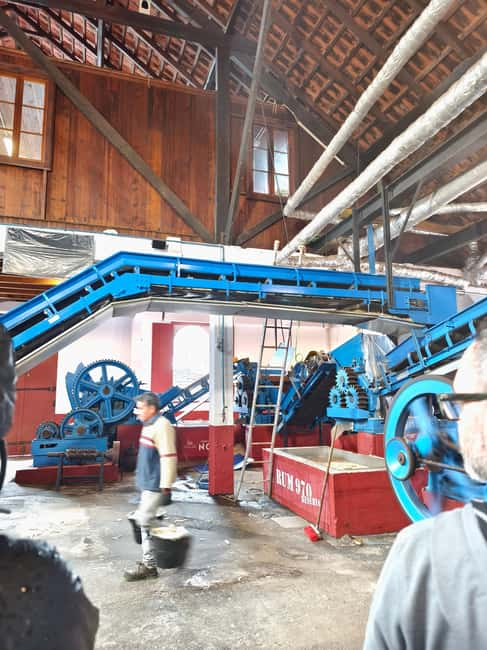
Porto da Cruz is the next major stop, with about forty minutes devoted to Madeira’s sugarcane tradition. You visit one of the island’s oldest rum factories and see old steam machinery still connected to production.
The timing matters. During the sugarcane season, usually April and May, the machines are operating. Outside that period, you can still visit the factory and see the equipment, but do not assume you will watch the machinery running.
This is a strong stop for anyone interested in how Madeira’s agricultural products become food and drink. Sugarcane is not just a crop in the field. It supports a local tradition of rum production, and the steam equipment gives the visit a physical, industrial feel.
A rum tasting is included. You do not need to be a rum enthusiast to appreciate the stop, but it helps to see it as part of the wider farming story rather than a stand-alone tasting. The factory connects sugarcane, machinery, local production, and Madeira’s drinking culture in one short visit.
Porto da Cruz is also described as being near a remote beach, so you get a change of scenery after the inland farm stops. The tour does not promise beach time or swimming, so bring a jacket and comfortable shoes rather than planning this as a beach outing.
Meeting the family behind the cattle farm
The final farm visit takes you to a private cattle farm around Talho do Caniço. Allow about forty minutes.
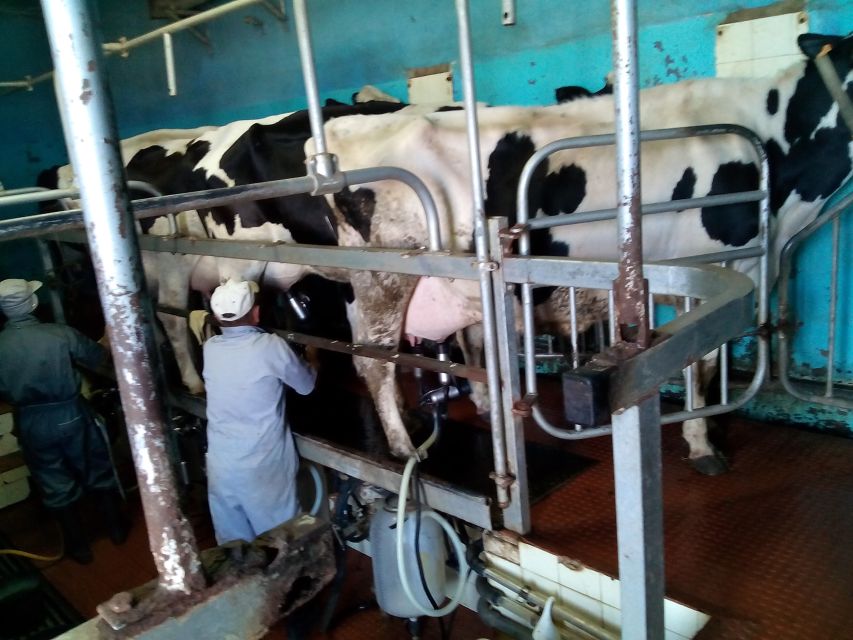
The farm has been in the same family trade for more than one hundred years and supplies much of the milk used to make Madeira’s well-known requeijão cheese. You see old milking techniques and learn how cattle farming fits into local food production.
This is one of the most distinctive parts of the day. Bananas and sugarcane are familiar symbols of tropical and island agriculture, but a family dairy farm gives you a less expected view of Madeira. The visit shows how milk moves into a local cheese tradition and how older methods remain part of the story.
The setting also comes with attractive views. If you have children aged six or older, animals can make this stop especially engaging. One recent family experience found the animals a major hit with children, while the adults appreciated learning how the island’s agriculture is changing.
Children under six cannot join the tour, and the experience is not suitable for wheelchair users. The farm setting, old techniques, and several rural stops mean you should expect uneven outdoor surfaces and movement between sites.
Who will get the most from six hours
I would choose this tour for you if you want to understand Madeira through food, farming, and local work. It suits couples, families with older children, gardeners, food-focused visitors, and anyone who has already seen the main city sights and wants a more grounded day.
The small group helps if you like asking questions. It also gives the guide room to adjust explanations to the people in the vehicle. Tours are offered in English, Spanish, French, and German.
You should think twice if you want a relaxed scenic drive with lots of free time. The schedule includes multiple guided stops, a full lunch, and several transfers. It is informative and varied, but not a slow day at one estate.
You should also consider the season. Winter may mean no ripe banana tasting, and April to May is the best period for seeing the rum factory’s steam machinery in operation. The farms remain worthwhile outside those windows, but the details of the experience can change.
Practical details that affect your day
Hotel pickup and drop-off are included for Funchal and Caniço, with Garajau also named among the pickup areas. Santa Cruz appears in the pickup and drop-off arrangements, but another note says people from Santa Cruz may need to meet the guide in Caniço or Funchal. Confirm your exact meeting point before the day of the tour.
People staying in Calheta, Ponta do Sol, Santana, or São Vicente may be asked to meet on the main road near the Hotel Madeira Panoramico, where parking is free. Pickup is not included from every part of the island.
Wear comfortable shoes and bring warm clothing. Madeira’s weather can shift between coastal and rural areas, and the advice to bring a jacket is worth following. The tour is not offered on bank holidays, Christmas Day, or January 1.
You can cancel up to 24 hours ahead for a full refund, and you can reserve now and pay later. The experience lasts six hours, though traffic and road conditions can affect the exact timing.
Should you book the Funchal Agriculture Green Tour?
Book it if you want a closer look at Madeira’s working side. The strongest parts are the private banana and cattle visits, the agriculture school’s grafting lesson, and the generous local lunch. Together, they give you a fuller picture than a standard sightseeing loop.
The $100 price makes sense when you count the included meal, drinks, coffee, admissions, tastings, guide, and transport. I would be especially happy with the value during April or May, when the sugarcane machinery may be operating, though the tour remains worthwhile at other times.
Skip it if your priority is hiking, swimming, or major historic monuments. This is a rural food and agriculture day, with a set route and several guided stops. For the right visitor, it offers something much better than another viewpoint: a clear look at the people, crops, animals, and traditions that keep Madeira fed.
FAQ
How long does the Funchal Agriculture Green Tour last?
The tour lasts six hours, including transport between the farm, agriculture school, lunch stop, rum factory, and cattle farm.
What is the price of the tour?
The price is $100 per person.
Is hotel pickup included?
Pickup and drop-off are included for hotels in Funchal and Caniço, and Garajau is also listed as a pickup area. Confirm the exact meeting point because arrangements can vary by location.
Can I join from Santa Cruz?
Santa Cruz is included among the listed pickup and drop-off locations, but another instruction says people from Santa Cruz may need to meet the guide in Caniço or Funchal. Confirm this before booking.
What languages are available?
The live guide service is available in English, Spanish, French, and German.
How large is the group?
The tour is limited to eight participants.
Is lunch included?
Yes. Lunch includes local food, fresh-baked bread, tapas, a choice of fish or meat, vegetables, homemade dessert, drinks, and coffee.
Is rum tasting included?
Yes. A rum tasting is included at the Porto da Cruz stop.
Will I see the rum factory machines operating?
The steam machines operate during the sugarcane season, which is generally April to May. Outside that period, you can still visit the old rum factory and see the equipment.
Can young children or wheelchair users join?
Children under six cannot join the tour, and the experience is not suitable for wheelchair users.
The newest listings around Funchal
- Achadas Teixeira- Pico Ruivo -& Pico pedras/Queimadas forest walk★ 5.0 · 100 reviews
- Porto Moniz – Natural Swimming Pools★ 4.5 · 62 reviews
- Pico Arieiro To Pico Ruivo / Highest Peak Challenge★ 4.5 · 55 reviews
- Jeep Tour To Santana: Old Forest Full-Day East-Side★ 4.5 · 46 reviews
- Northwest Terraces and Volcanic Pools 4×4 Full Day Tour★ 5.0 · 82 reviews
- Nun’s Valley & Sea Cliff – Half Day – Shared Tour★ 5.0 · 48 reviews
- Scenic Route – Nuns Valley Tour★ 4.5 · 47 reviews
- Nuns Valley Tour★ 4.5 · 57 reviews
Madeira Tours, compared.

Skywalk, Porto Moniz, Seixal, and Fanal 4WD Tour
Read our review →
Enchanted Terraces, Porto do Moniz & Fanal 4WD Tour
Read our review →
Porto Moniz, Seixal, Fanal Forest, Cliff Skywalk in Open Roof 4X4
Read our review →
Browse the lists this tour appears in