
Reviewed · PORT WINE CELLAR TOURS
Porto: Pastel de Nata Cooking Class with Port Wine – Sé
Porto’s famous pastel de nata is simple to eat but tricky to make well. This 90-minute class lets you work through the important parts, especially the custard and baking, while instructors such as Teresa, Luis, Sofia, and Filipe keep the mood light and the steps clear. You finish with several warm tarts, a recipe, and a better idea of what goes into that flaky Portuguese treat.
I like the small-group, shared-work format, which makes this a social activity rather than a formal demonstration. I also like the Port wine, coffee, juice, water, and snacks served while the tarts bake. The main limitation is worth knowing upfront: the puff pastry is prepared before class, since the dough takes several hours to make and rest. You receive its recipe, but you will not make that part from scratch during the session.
Key points to know before booking
- Pastel de nata from Lisbon to Porto: Get a short, accessible introduction to the pastry’s Portuguese origins and rise to national fame.
- Custard is the hands-on focus: You help prepare the filling, follow the baking process, and learn the small techniques that affect the final texture.
- The pastry dough is ready in advance: You receive the house recipe for making it at home, but the class uses prepared puff pastry.
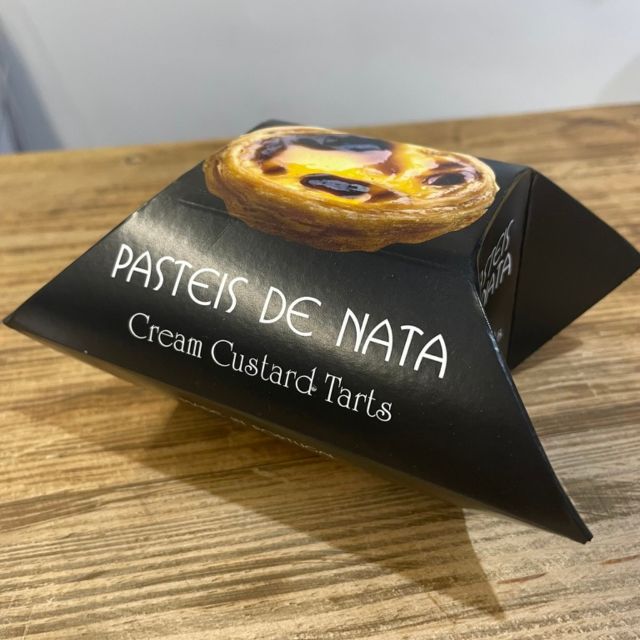
- Several tarts to eat or carry away: Each participant makes several pastéis de nata and receives a paper box for transport.
- Port wine and snacks are included: Drinks and small sweet and savory bites turn the lesson into a relaxed social break.
- Central Porto setting: Domus Arte is near Porto Cathedral and São Bento station, making it easy to pair with sightseeing.
What the 90-minute Porto pastry class is really like
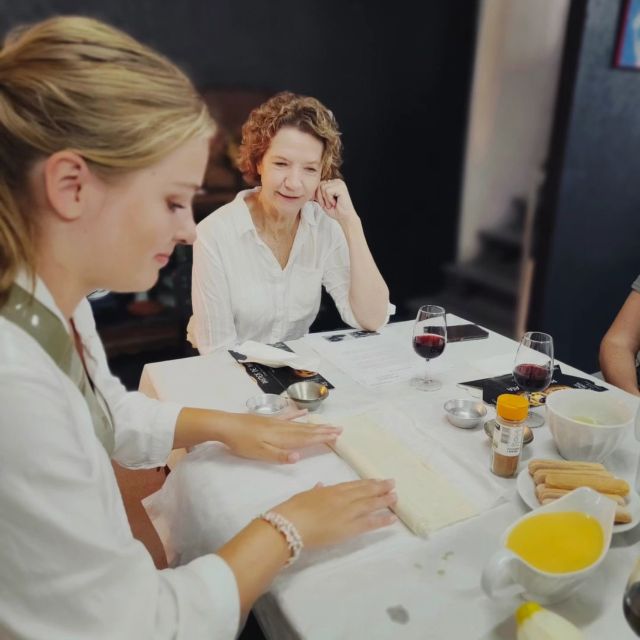
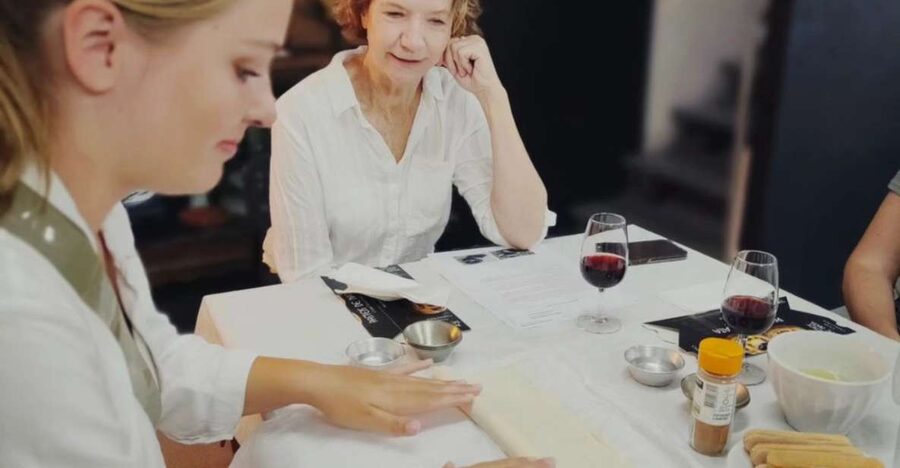
This is not a long professional baking course. It is a short, friendly introduction to one of Portugal’s best-known pastries, designed so you can take part without needing baking experience.
The group works through the recipe in stages. You take turns with the preparation while the instructor explains what to do and why it matters. This shared format means you may not personally handle every single step, especially if the group is larger, but it keeps the pace moving and gives everyone a chance to participate.
If you want to prepare every tart and handle every stage yourself, ask about the private workshop option. The standard class is better suited to people who want guidance, a taste of local food culture, and enough practical knowledge to try the recipe at home.
The atmosphere is deliberately relaxed. Port wine, coffee, juice, water, and snacks are available during the session, giving you something to enjoy while the pastries are in the oven. That makes the class feel less like a technical lesson and more like a shared Porto experience.
More Cooking Classes in Porto
- Porto: Pastel de Nata Cooking Class with Grandma’s Recipe
★ 5.0 · 1,565 reviews - Porto: Pastel de Nata Cooking Class from Scratch
★ 4.9 · 468 reviews - Porto: Pastel de Nata Cooking Class with Porto Wine (Sé do Porto)
★ 5.0 · 340 reviews
Starting with the story of pastel de nata
The class begins with a short explanation of pastel de nata’s place in Portuguese food culture. You learn about its origins in Lisbon and how the custard tart developed into a treat found throughout the country.
This introduction is not a long lecture, which suits the format. You get enough background to understand why the pastry matters before you start working with the ingredients. The focus stays on the cooking, but the context adds meaning to what you are making.
I find this especially useful if you have already been eating pastéis de nata around Porto. Instead of treating the pastry as just another sweet, you begin to recognize the balance between crisp pastry, soft custard, and the browned surface created in the oven.
The history portion also helps explain why the recipe has become so widely associated with Portugal, even though its roots are linked to Lisbon. It is a small detail, but it gives the activity a stronger local connection than a generic baking class.
The custard is where you learn the most
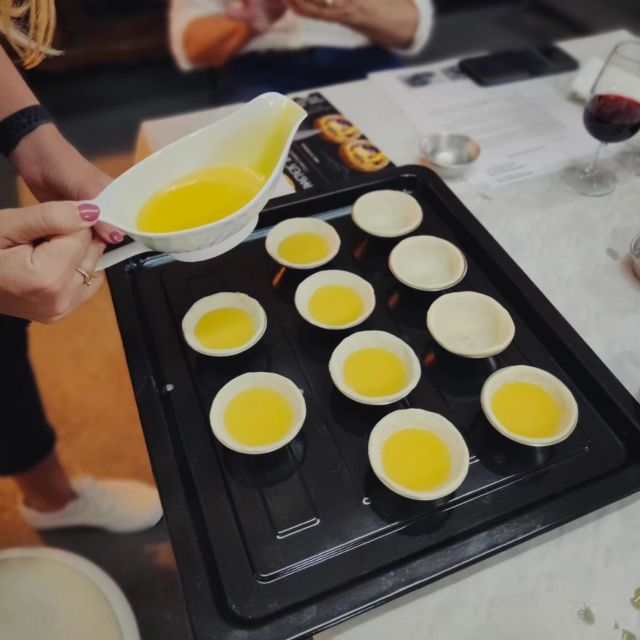
The main practical lesson centers on the custard filling. The instructor leads you through the ingredients and technique step by step, with help available throughout the preparation.
This is the part of the class where the guidance matters most. Custard can look easy, but temperature, mixing, and timing affect whether it turns smooth and creamy or becomes too firm. The instructor explains the process in plain terms and offers tips for adjusting the recipe at home.
You also learn about possible variations. One class included suggestions for changing the flavorings, while another instructor explained how to adapt the recipe for different dietary needs. The standard result is the traditional flavor, but you leave with ideas for experimenting later.
You do not need to be an experienced baker. Several participants with little confidence in the kitchen found the instructions easy to follow because the teacher stays nearby and corrects mistakes as they happen. The class is built to be forgiving, not intimidating.
That makes it a good choice for families with older children, couples, solo participants, and groups of friends. Children under three are not allowed, but older children can take part in a supervised, hands-on activity that is more engaging than simply watching a cooking demonstration.
The pastry shortcut is useful, but not the full lesson
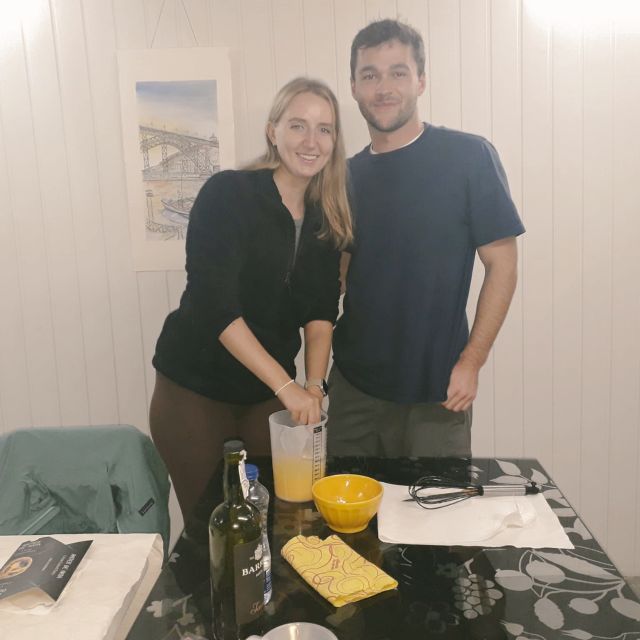
Here is the key tradeoff. The puff pastry is prepared in advance because the dough needs several hours before it is ready to use. You receive the house-made recipe for both the tart and the pastry, but the class concentrates on the custard and baking rather than making the dough from start to finish.
For many people, this is a sensible choice. A 90-minute class could not realistically include the complete preparation and resting time while also allowing you to make the filling and bake the tarts. Preparing the pastry ahead keeps the session short and practical.
Still, you should not book this expecting a complete pastry-making course. One participant specifically felt that prepared dough could not match the original recipe crust. That is a fair criticism if your main goal is to master laminated pastry.
I would think of the class as a first lesson in pastel de nata, not the final word on it. You learn the hardest parts to reproduce quickly, get the full recipe for later, and can tackle the pastry dough at home when you have several hours available.
The recipe is a valuable part of the experience. It means the lesson does not end when you leave Domus Arte. You have written guidance for trying the tart again, including the puff pastry, and you can use the instructor’s suggestions to adjust the flavor or accommodate dietary needs.
More Pastel de Nata Workshops in Porto
- Porto: Pastel de Nata Pastry-Making Workshop
★ 4.9 · 1,542 reviews - Porto center- Workshop “A nata do BJ” making pasteis de nata
★ 4.9 · 79 reviews
Baking, tasting, and packing your pastries

Once the custard and pastry are ready, the tarts go into the oven. The baking stage gives you a chance to watch the transformation from prepared ingredients to finished pastel de nata.
The result is meant to be eaten fresh, either at the venue or after you leave. Each participant makes several pastries, and a paper box is included so you can carry them away without needing to find your own container.
The number of pastéis can vary slightly depending on the group and preparation, but the experience provides several per person. Some participants received three each, while others described leaving with several pastries. You should have enough to taste at least one on site and save the rest for later.
The social setting works well here. With the pastries baking, you can have Port wine, coffee, juice, water, and snacks while chatting with the other people in the group. The drinks are included in the $41 price, so you are not adding a separate café bill during the session.
The Port wine is a particularly fitting touch. It connects the class to the region without turning the experience into a formal wine tasting. If you do not drink alcohol, juice, water, and coffee are available instead.
Why the instructors matter
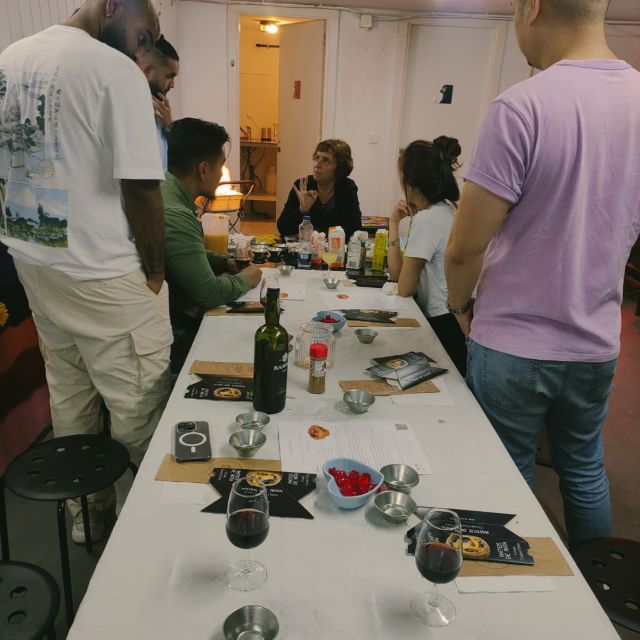
The instructor sets the tone, and this class has several named teachers associated with it, including Teresa, Luis, Sofia, Filipe, Philip, Ana, and Louis. The exact person leading your session can vary, but the teaching style is consistent in the details that matter: clear instructions, patience, humor, and attention to the group.
Teresa is especially good at making the session interactive and cheerful. Luis has been praised for offering useful Porto suggestions along with the baking instruction. Sofia brings a playful style, while Filipe is described as both witty and careful with the technical steps.
You should expect an English-language class. The instructors explain the recipe in accessible terms and help each person through the process. One useful feature is that they remember names and make an effort to include everyone, which matters in a hands-on class where people can otherwise end up watching from the edge.
The social side is part of the value. You may meet people from different countries, and the shared work gives solo visitors an easy way to talk with others. Couples can enjoy it as a low-pressure date activity, while birthday groups and bachelorette groups can make it part of a larger Porto celebration.
The class is not suited to anyone who wants a quiet, private lesson unless you arrange the private option. It is also not ideal if you dislike shared stations or taking turns. Most people will see this as part of the fun, but it is useful to know before booking.
Domus Arte and the central Porto location
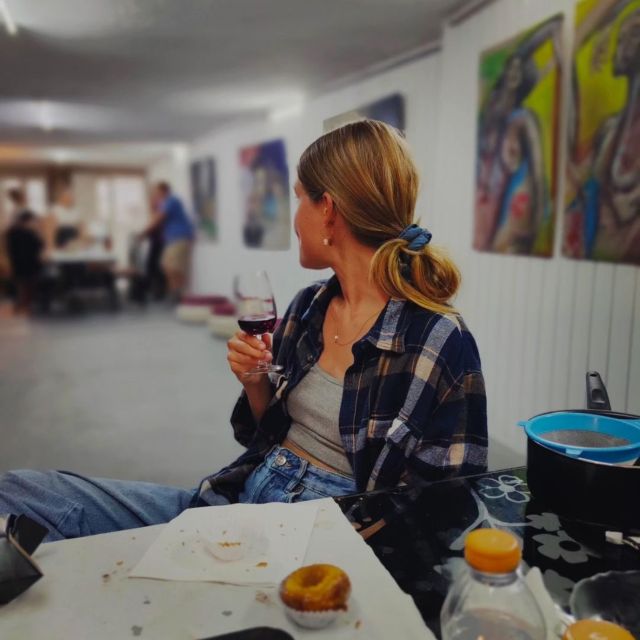
The workshop takes place at Domus Arte, a concept store in central Porto dedicated to handmade products, workshops, and art exhibitions. Its location near Porto Cathedral and São Bento station makes it easy to fit into a day of sightseeing.
You can pair the class with the cathedral area, São Bento’s tiled railway hall, or a walk through the surrounding historic streets. Since there is no hotel pickup or drop-off, you need to make your own way there, but the central location is a practical advantage.
The venue has a second location that is wheelchair accessible and stroller accessible. The activity information also says the class itself is not suitable for wheelchair users, so you should confirm the exact venue and arrangements before booking if accessibility is important to you.
The class is stroller accessible, and pets are allowed. Smoking is not allowed indoors. These details may matter more than you expect if you are traveling with a young family or planning a long day around the workshop.
Is $41 a fair price?
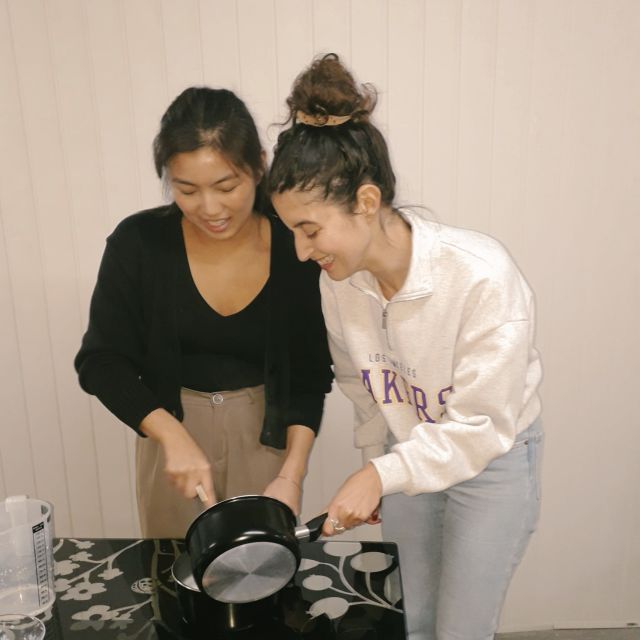
At $41 per person, this is not the cheapest way to eat a pastel de nata in Porto. You can buy the pastry for a small amount at bakeries and cafés. The price makes sense only if you value the lesson and the social experience as much as the food.
You are paying for 90 minutes of instruction, all ingredients, several pastries, the recipe for the tart and puff pastry, drinks, snacks, and an instructor who knows the technique. You also save the effort of finding ingredients and setting up a kitchen during your trip.
The value is strongest for people who want to recreate the pastry at home. If you enjoy cooking, the recipe and practical tips can justify the cost. It is also a good choice for a rainy afternoon, a birthday activity, or a break from churches, viewpoints, and tiled streets.
The value is weaker if you mainly want to taste an authentic pastry or learn to make puff pastry from scratch. In that case, a bakery visit gives you the food at a much lower price, and this class will not cover every stage of the dough.
Still, the included drinks and snacks help. You are not simply paying for three small tarts. You are getting a hosted activity, a local food lesson, and a take-home result.
Dietary needs and family suitability
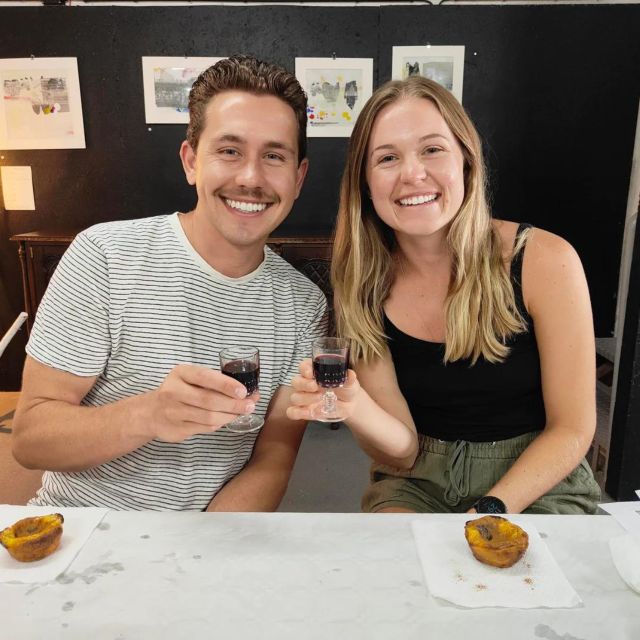
Lactose-free, gluten-free, and vegan options are available by request, but you must give advance notice and wait for confirmation. Do not assume the standard recipe can simply be changed at the last minute.
This flexibility makes the experience more useful for mixed groups. Someone avoiding dairy or gluten may be able to join while others make the traditional version. Ask ahead so the team has time to prepare the correct ingredients.
Children under three are not allowed. Older children can take part, and the activity is suitable for a range of ages because the instructor breaks the work into manageable stages.
The class also suits solo visitors. You do not need to arrive with a partner or group, and the shared format gives you an easy way to meet people without a forced group tour structure.
Book this class if these details fit your plans
I would book this experience if you want more than a food tasting and like the idea of making a Portuguese classic with a friendly instructor. It works particularly well for first-time visitors who want local food context, couples looking for a shared activity, families with children over three, and home bakers who want a reliable starting recipe.
I would skip it if your priority is making every component from scratch, especially the laminated pastry. I would also choose a private workshop if you want full individual participation at every stage rather than taking turns with the group.
For most people, the best reason to book is the balance of instruction and ease. You get to cook without spending half a day on dough preparation, then leave with warm pastries, a transport box, and a recipe you can try in your own kitchen.
The free cancellation policy allows cancellation up to 24 hours in advance for a full refund, and you can reserve now and pay later. Those terms help if your Porto schedule is still shifting. Confirm dietary requests and accessibility before committing, then choose a start time that leaves room for sightseeing near the cathedral and São Bento.
FAQ
How long does the pastel de nata class last?
The workshop lasts 1.5 hours, or 90 minutes. Starting times vary, so check availability when booking.
Where does the class take place?
It takes place at Domus Arte, a concept store in downtown Porto near Porto Cathedral and São Bento station.
Is the puff pastry made during the class?
No. The puff pastry is prepared in advance because it takes several hours to become ready for use. You focus on the custard and baking, and you receive the recipe for making the puff pastry at home.
What is included in the price?
The price includes the ingredients, instruction in English, Port wine, juice, water, coffee, sweet and savory snacks, a paper box for your pastries, and recipes for the tart and puff pastry.
Can I request a vegan, gluten-free, or lactose-free version?
Yes, these options are available upon request. You must provide advance notice, and the team must confirm that the requested preparation can be arranged.
Is the class suitable for children and wheelchair users?
Children under three are not allowed, but older children can take part. The class is described as stroller accessible, while wheelchair users are listed as unsuitable for the activity. Domus Arte has a second location that is wheelchair accessible, so confirm the exact venue before booking.
More Port Lodges and Cellar Tastings
- Porto: Taylor’s Port Cellars & Tasting
★ 4.6 · 3,374 reviews - Porto: Cockburn’s Port Lodge Tour and Tasting
★ 4.8 · 3,360 reviews - Porto: Authentic Fado Show, Port Wine & Handmade Instruments
★ 4.8 · 2,737 reviews - Porto: City Train Tour, River Cruise & Wine Cellar
★ 3.9 · 2,601 reviews
More Wine Tours in Porto
- Porto: Live Fado Show with Glass of Port Wine
★ 4.8 · 6,498 reviews - Porto: Cálem Cellar Tour, Interactive Museum & Wine Tasting
★ 4.5 · 4,113 reviews - Porto: Cálem Cellar Tour, Fado Show & Wine Tasting
★ 4.4 · 3,530 reviews - Porto: Bridges Cruise with Wine Cellar Tour or Sunset Option
★ 4.1 · 2,758 reviews
The newest listings around Porto
- Canyoning Tour From Porto★ 5.0 · 79 reviews
- Porto: Tuk tuk Tours with Port Wine Tasting★ 4.5 · 65 reviews
- The Beautiful Story of Porto: Guided Tour with Entry Tickets★ 4.8 · 111 reviews
- Porto: Small Group Surfing Experience with Transportation★ 4.9 · 40 reviews
- Porto: Royal Oporto Tour na Real Companhia Velha★ 4.8 · 395 reviews
- Porto: WOW Daily Ticket★ 4.7 · 42 reviews
- Porto: 6 Bridges Port Wine River Cruise with 4 Tastings★ 4.8 · 182 reviews
- Porto Wine Tasting Experience with Portuguese Tapas Plate★ 4.7 · 356 reviews
Port Wine Cellar Tours, compared.
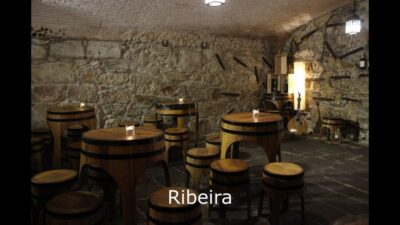
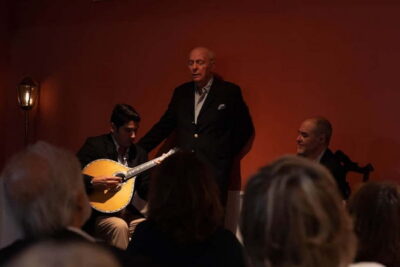
Live Fado Show with Port Wine in Historic Center
Read our review →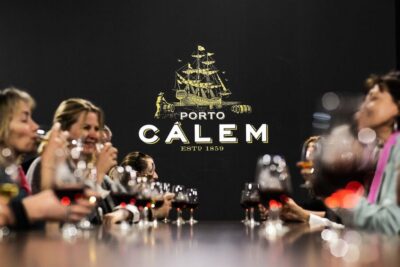
Cálem Cellar Tour, Interactive Museum & Wine Tasting
Read our review →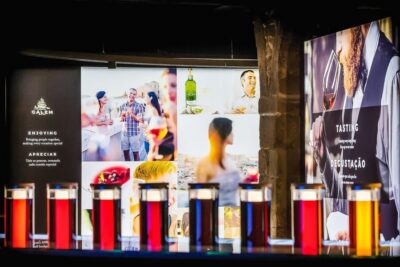
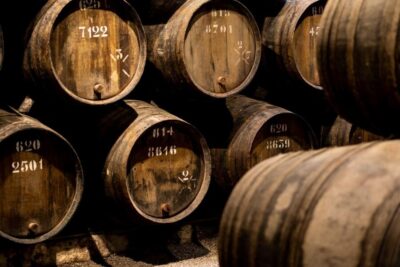


Bridges Cruise with Wine Cellar Tour or Sunset Option
Read our review →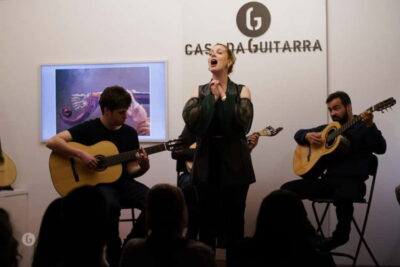
Authentic Fado Show, Port Wine & Handmade Instruments
Read our review →Browse the lists this tour appears in