
Reviewed · PILGRIMAGE TOURS
Rabo de Peixe: Sperm Whale Sanctuary Expedition
Sperm whales are the stars here, but the real appeal is the chance to learn how whale watching works while you search the open Atlantic. Marine biologists lead the briefing and remain on board, explaining the animals, their routes, and the rules that keep encounters respectful. Recent outings have included sperm whales, several dolphin species, and even a hammerhead shark.
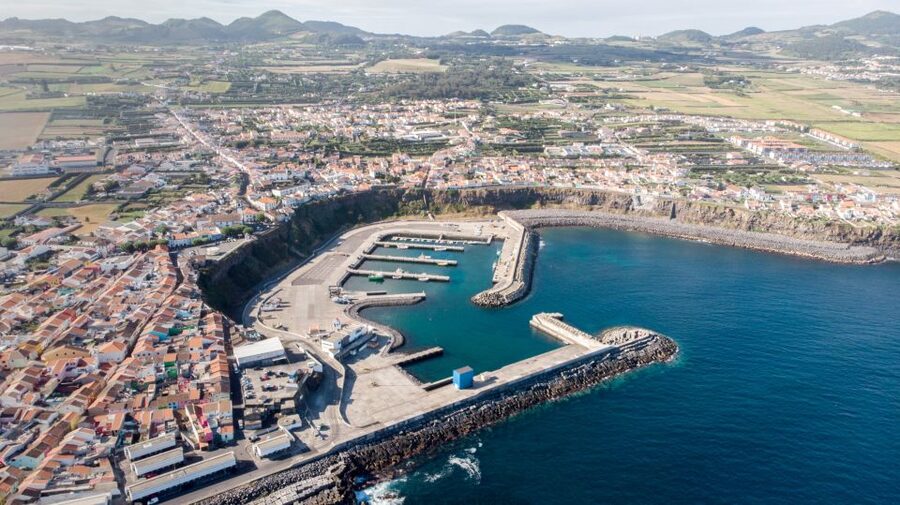
I like two things right away: the tour puts science ahead of spectacle, and it leaves from the smaller harbor at Rabo de Peixe, giving you fine views of São Miguel’s northern coast before reaching deeper water. The main consideration is simple: wildlife is wild. Good sightings are possible, not promised, and rough weather can cancel or delay the trip.
Key points to know before you book

- Sperm whales are the main target: The boat heads toward a protected Atlantic habitat where these large toothed whales are commonly sought.
- Marine biologists guide the trip: You receive a 10-minute briefing before boarding and further explanation after returning to harbor.
- Three hours on the water: Allow an extra 30 to 45 minutes because marina operations can lengthen the total outing.
- Recent sightings have been varied: Trips have included sperm whales, bottlenose dolphins, common dolphins, Atlantic spotted dolphins, minke whales, Bryde’s whales, turtles, Portuguese man-o-war, and a hammerhead shark.
- The experience is small-boat whale watching: One recent outing used a 16-seat zodiac, though the exact boat may vary.
- The price is $82 per person: That is fair value if you want expert interpretation and a focused Atlantic wildlife trip rather than a short scenic cruise.
Why sperm whales make this Rabo de Peixe trip special

The Azores sit in the Atlantic along routes used by several cetacean species. From Rabo de Peixe, the boat first follows São Miguel’s northern coast, then heads toward deeper water where sperm whales may be found.
Sperm whales are not just large animals to tick off a list. They are the main reason this outing feels different from a general coastal boat ride. The crew helps you understand where to look, how whale watching has developed in the Azores, and how boats can approach marine life without pushing too close.
The tour description calls sperm whales the largest cetacean species in the world. More precisely, they are the largest toothed whales, and their size is only part of the interest. Their movements, feeding habits, and travel routes make them fascinating subjects for a biologist-led trip.
You should also expect quiet stretches. The crew may spend time scanning the sea before anything appears. That can test your patience, but it is part of responsible whale watching. The boat is searching for animals in their habitat, not moving from one fixed attraction to another.
More Whale Watching in the Azores
- From Ponta Delgada: Whale and Dolphin Watching Trip
★ 4.7 · 4,109 reviews - Azores Whale Watching & Islet Boat Tour
★ 4.6 · 2,146 reviews - São Miguel Azores: Half-Day Whale Watching Trip
★ 4.5 · 983 reviews
The 10-minute briefing at Clube Naval Rabo Peixe
Your meeting point is Clube Naval Rabo Peixe, at the harbor in Rabo de Peixe. The first formal step is a safety briefing lasting about 10 minutes.
This is more useful than a quick list of boat rules. The marine biologists explain the species you might see, the story of whale watching in the Azores, and the way professionals give marine mammals space. Pay attention here. You will have a better idea of what to watch for once the boat reaches open water.
The briefing also helps set realistic expectations. A whale may surface only briefly. Dolphins can move quickly and cover a wide area. The crew has to balance your wish for a close look with the animals’ need to remain undisturbed.
You should arrive ready for the sea rather than dressed for a town stroll. Wear comfortable clothes and shoes, bring sunglasses, a sun hat, sunscreen, and snacks. Rain protection is not included, so pack your own raincoat. Food and drinks are also your responsibility.
High-heeled shoes, drones, alcohol, and drugs are not allowed. These rules make practical sense on a working boat, where balance and safety matter.
Along São Miguel’s northern coast

Once on board, the first part of the trip gives you a look at the northern coast of São Miguel. This is a pleasant start because the outing is not only about staring at empty water. You get coastal scenery and a chance to settle into the rhythm of the boat.
Keep your eyes open from the moment you leave the harbor. The crew may spot dolphins, turtles, or Portuguese man-o-war before the search reaches the deeper part of the sanctuary. A Portuguese man-o-war is easy to recognize by its floating blue or purple sail, though you should not touch it.
The sea can feel very different from the protected harbor. A small zodiac gives you a close-to-the-water view, but it also transmits more movement than a large sightseeing boat. One recent outing used a 16-seat zodiac, a size that can make it easier to hear the guide and see in several directions. The exact boat and seating arrangement can vary, so do not assume every departure will use the same craft.
If you are prone to seasickness, think carefully before booking. The tour is not suitable for people with back problems, recent surgery, mobility impairments, or pregnancy. Those restrictions are especially important on a small boat, where boarding and movement can be demanding.
Searching the protected Atlantic sanctuary

The main whale-watching portion lasts about three hours, including the time spent looking for animals and returning to the harbor. As the boat reaches deeper water, your attention shifts from the coast to the open Atlantic.
This is where the marine biologist becomes especially valuable. Instead of simply pointing toward a fin, the guide can explain what you are seeing and why the boat is changing direction. The crew also helps you understand the difference between a sperm whale and other cetaceans that may appear.
Recent sightings show how varied the outing can be. One particularly fortunate trip included 10 sperm whales, one of which approached the boat rather than being chased by it. That distinction matters. A respectful encounter is not just about distance. It is also about allowing the animal to control the interaction.
Other outings have included three dolphin species: bottlenose, common, and Atlantic spotted dolphins. Large groups and young dolphins have appeared on some trips. Minke whales and Bryde’s whales have also been seen, along with a hammerhead shark on the return journey.
None of this should be treated as a guarantee. You may see one species, several species, or spend much of the trip searching. The $82 price buys the boat trip, briefing, and marine biologist, not a promised wildlife checklist.
That uncertainty is worth accepting if you care about the process as much as the result. The Azores are a serious place for marine observation, and a responsible operator cannot simply order a whale to surface on schedule.
More ways to visit the Fatima sanctuary:
- From Lisbon: Sanctuary of Fátima & the Little Shepherds Town
★ 4.9 · 403 reviews - Fátima Sanctuary & Little Shepherds’ Village from Lisbon
★ 4.5 · 328 reviews - From Lisbon: Sanctuary of Fátima & the Little Shepherds Town
★ 5.0 · 215 reviews - From Lisbon: Small Group Fátima & Little Shepherds Town Tour
★ 4.8 · 171 reviews
What the sightings can look like

Sperm whales often create the most memorable moment because of their size and the anticipation before they surface. You may see a blow, a dark body, or a tail before the animal disappears again. The guide will help explain what is happening, but you still need to keep watching and be ready.
Dolphins can change the mood quickly. A large group may appear suddenly, with several animals moving across the water at once. Bottlenose, common, and Atlantic spotted dolphins have all been recorded on recent outings, so the identification lesson can be as interesting as the sighting itself.
Whales are not the only possible wildlife. Turtles, Portuguese man-o-war, and even a hammerhead shark have appeared on some trips. You might also see minke or Bryde’s whales. This range makes the outing more rewarding for anyone who enjoys marine life in general, not only sperm whales.
The crew’s approach is a major part of the quality of the experience. French guests on one recent trip praised the respectful treatment of the mammals, while an Italian guest singled out biologist Emma for sharing genuine passion and emotion. If Emma is leading your departure, you may find her explanations especially engaging, but guide assignments can change.
Returning to Rabo de Peixe with better context

The boat returns to Clube Naval Rabo Peixe after the search. The trip does not simply end when the engine stops. The marine biologists use the return and harbor time to discuss the animals you saw, their habits, and the routes they follow.
That final explanation is easy to overlook when you are excited about photographs. Do not skip it. A sighting becomes more meaningful when you understand whether you saw a whale, a dolphin, or another marine animal, and why that species might have been in the area.
This is also where the conservation message comes together. Whale watching depends on healthy marine habitats and careful boat behavior. By learning how biologists and operators respect the animals, you come away with more than a set of pictures.
Bring a camera if you want one, but do not spend the whole trip looking at a screen. Wildlife may appear on either side of the boat, and the best moments can be brief. Sunglasses and a hat help with glare, while sunscreen matters even on a cooler day at sea.
Is $82 a fair price?

At $82 per person, this is a reasonable price for a three-hour wildlife outing with a pre-tour briefing and a marine biologist on board. You are paying for a specialized search in open Atlantic waters, not a simple harbor cruise.
The strongest value comes when you care about interpretation. A guide who can explain species, behavior, whale-watching practice, and conservation adds real substance to the trip. The cost also compares well if you have been looking for a focused marine experience on São Miguel rather than a full-day excursion.
The price feels less certain if you need guaranteed sightings. No responsible whale-watching company can offer that, and bad weather may stop the activity altogether. You also need to pay for your own snacks and drinks, provide a raincoat, and arrange your own way to the harbor because hotel pickup and drop-off are not included.
There is one timing detail worth taking seriously. Marina logistics may add 30 to 45 minutes to the advertised duration. Do not schedule a tight airport transfer, dinner reservation, or another tour immediately afterward.
The activity allows free cancellation up to 24 hours before departure, and you can reserve now and pay later. Starting times depend on availability, so check the schedule for your date.
Who should book this whale expedition?

I would recommend it to anyone who wants a serious wildlife outing with a strong educational side. It suits couples, families with older children who can manage a small boat, photographers, and anyone curious about how marine conservation works in the Azores.
It is also a good choice if you want more than dolphins. Sperm whales are the focus, and the possibility of seeing minke whales, Bryde’s whales, turtles, or several dolphin species adds variety.
I would think twice if you dislike open-water motion, need a guaranteed result, or have a very short schedule on São Miguel. The boat trip is weather-dependent, sightings are never certain, and the real total time may run longer than three hours.
Language should not be a major concern if you speak English or Portuguese. Those are the tour languages. The marine biologist on board means you are not left to guess what you are seeing, even when the animal appears for only a moment.
My advice before booking

Book this Rabo de Peixe trip if you value respectful wildlife watching and clear scientific guidance. The strongest reports describe friendly, capable staff and encounters with multiple sperm whales and dolphin species. The small-boat format can put you close to the sea, though it also means more motion and less shelter.
Choose a calm-weather date if you have flexibility, bring proper sun and rain protection, and leave extra time after the tour. Most of all, go with the right mindset: the reward is not a guaranteed whale photograph. It is a chance to search the Atlantic with people who understand the animals and know when to give them room.
FAQ
Where does the tour start and finish?
The tour starts and finishes at Clube Naval Rabo Peixe in Rabo de Peixe, on São Miguel Island.
How long does the activity last?
The advertised duration is three hours. Marina logistics may add 30 to 45 minutes to the total time.
What languages are available?
The live tour guide service is available in English and Portuguese.
What animals might I see?
Possible sightings include sperm whales, dolphins, minke whales, Bryde’s whales, turtles, Portuguese man-o-war, and other marine life. Sightings are not guaranteed.
Is a marine biologist included?
Yes. The activity includes a pre-tour briefing and a marine biologist on board.
What should I bring?
Bring comfortable shoes, sunglasses, a sun hat, sunscreen, comfortable clothes, and snacks. A raincoat is not included, so bring your own if needed.
Who should not take this boat trip?
The activity is not suitable for pregnant women, people with back problems, people with mobility impairments, or people who have had recent surgery.
More Whale Watching in Sao Miguel Island
- Terceira: Whale and Dolphin Watching in a Zodiac Boat
★ 4.8 · 230 reviews - Terceira: Half-Day Dolphin and Whale Watching Tour
★ 4.6 · 219 reviews - São Miguel: Whales & Volcano Full-Day Tour with Lunch
★ 4.5 · 95 reviews - From Funchal: Ecological Catamaran Dolphin Whale Watching
★ 4.5 · 5,771 reviews
The newest listings around Sao Miguel Island
- Island Van Tour (Full Day) | Terceira Island★ 4.9 · 176 reviews
- Terceira: Half-Day Island Tour with Cheese Tasting★ 4.4 · 106 reviews
- Terceira: Half-Day Dolphin and Whale Watching Tour★ 4.6 · 219 reviews
- Ponta Delgada: Full-Day Sete Cidades 4X4 Tour with Lunch★ 4.9 · 50 reviews
- Sete Cidades Azores 4×4 Day Tour from Ponta Delgada★ 4.9 · 46 reviews
- São Miguel: Sete Cidades and Lagoa do Fogo Full-Day Tour★ 4.8 · 65 reviews
- São Miguel: Sete Cidades & Lagoa do Fogo Tour with Lunch★ 4.8 · 565 reviews
- São Miguel: Full-Day Tour to Sete Cidades and Lagoa do Fogo★ 4.8 · 252 reviews
Pilgrimage Tours, compared.

Sanctuary of Fátima & the Little Shepherds Town
Read our review →
Fátima Sanctuary & Little Shepherds’ Village from Lisbon
Read our review →Sanctuary of Fátima & the Little Shepherds Town
Read our review →
Small Group Fátima & Little Shepherds Town Tour
Read our review →
Fátima Private Tour: Shrine| Sacred Path |Shepherds House
Read our review →
Fátima & Holy Eucaristy Miracle Relic, Spiritual Day
Read our review →
Sanctuary and Aljustrel Village, Private Guided Tour
Read our review →
Browse the lists this tour appears in