
Reviewed · TUK-TUKS
Porto: Private Sightseeing Tour by Electric Tuk Tuk
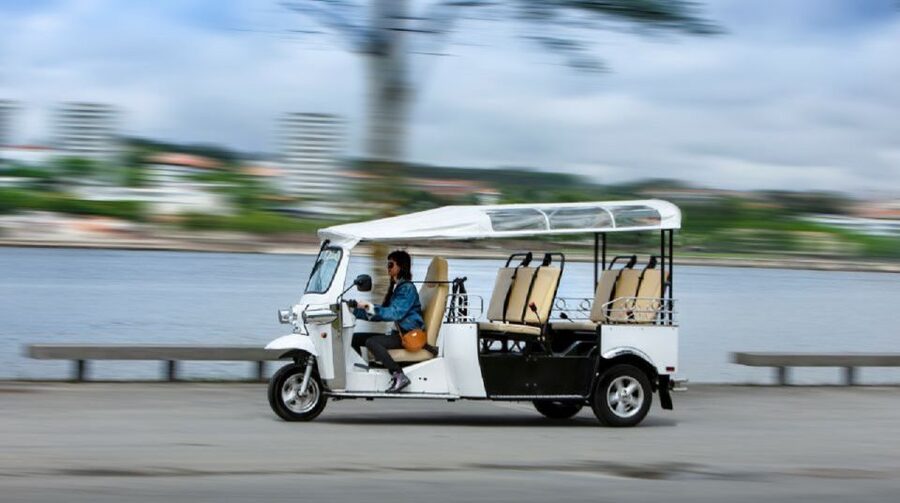
Porto is a city of steep streets, tight corners, and grand views. This private electric tuk-tuk tour handles the hills for you, slipping into lanes that buses cannot reach and stopping at viewpoints where you can get your bearings fast. The route brings together Ribeira, Clérigos, Aliados, Porto Cathedral, Palácio de Cristal, and the riverfront in two hours.
I like two things right away: the personal guide and the easy access to Porto’s high viewpoints. Guides such as Helena, Diogo, Barbara, and Tiago have been praised for mixing local stories with useful restaurant and sightseeing advice. The tour also works well on your first day, when you want a quick sense of the city before exploring on foot.
The main drawback is the ride itself. Porto’s cobblestones can be very rough, and tuk-tuks have little suspension. The $47 per-person price is attractive for a private tour, but the final cost can change with demand, so check the booking total before paying.
Key points at a glance
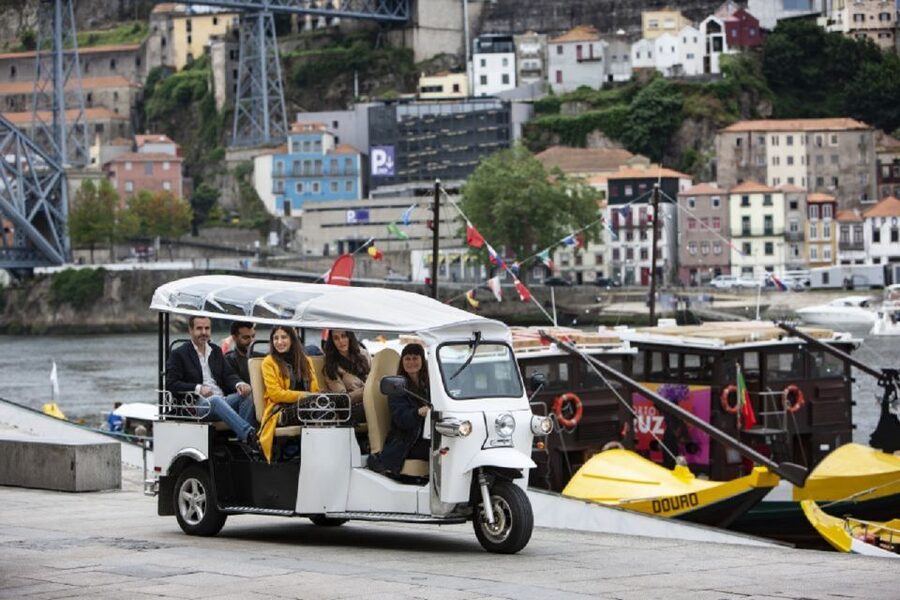
- A private two-hour ride: You get your own tuk-tuk and guide rather than joining a large sightseeing vehicle.
- Porto’s hills become manageable: The electric vehicle saves your legs on steep streets and connects viewpoints quickly.
- Strong first-day choice: The route gives you a useful map of the center, Gaia views, riverfront, and major monuments.
- Good photo opportunities: Fontaínhas, Serra do Pilar, the Douro, Clérigos, and Palácio de Cristal all give you reasons to keep your camera ready.
- Several guide languages: Tours are offered in English, Spanish, Portuguese, and French.
- Mind the cobbles: The ride is quiet and easy to hear, but the vehicle can still jolt over Porto’s old stone streets.
Why a tuk-tuk makes sense in Porto
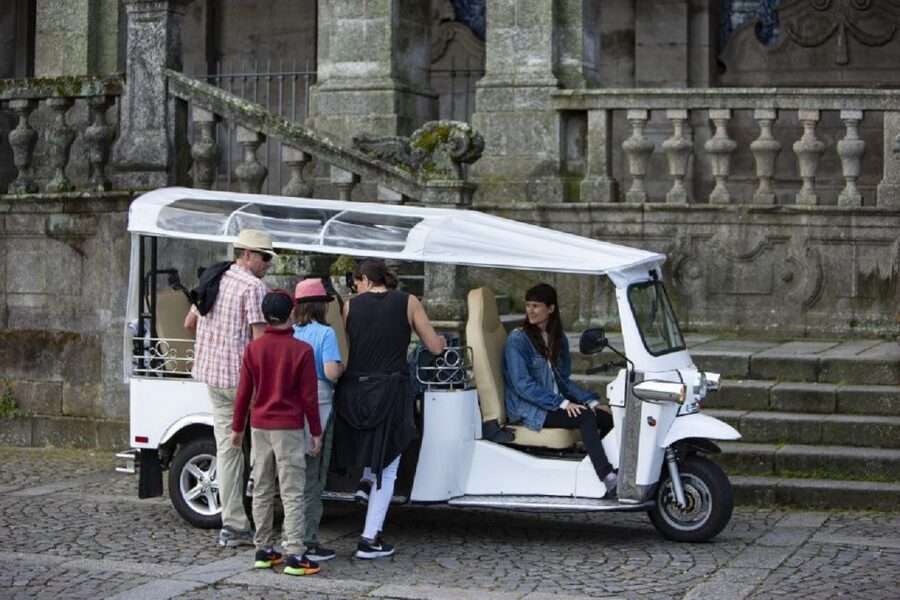
Porto rewards walkers, but it can be hard work. The center rises and falls sharply, and the most interesting streets are often narrow, uneven, and crowded with cars, pedestrians, and delivery vans. A tuk-tuk gives you a practical middle ground: you cover more ground than on foot, yet you remain close to the street.
The electric motor is a real advantage. It is quieter than a standard sightseeing vehicle, so you can hear the guide while moving through the city. The small size also lets the driver reach lanes that a coach cannot use. One guide even adjusted the route to include less obvious corners and viewpoints that would have been difficult to find alone.
You are not simply sitting through a long drive past buildings. The guide points out what you are seeing, explains the city’s past, and leaves time for photographs. Several guides have also taken photos for their passengers, which is helpful when you are traveling as a couple or family and want everyone in the picture.
Still, do not expect a luxury ride. The tuk-tuk is compact, and Porto’s cobbles are famously unforgiving. One passenger found the bumps tiring by the end of the two-hour trip. If you have a back problem, are pregnant, or dislike jolting rides, this is not the right format. Children under seven are not accepted.
More Tuk Tuk Tours in Porto
- Porto: Guided Tour by Tuk-Tuk & Optional Douro River Cruise
★ 4.5 · 5,980 reviews - Discover Porto’s Highlights on a 2-Hour Private Electric Tuk Tuk
★ 4.5 · 1,860 reviews - Historic Porto by Private Electric Tuk Tuk to Top Landmarks
★ 4.5 · 735 reviews
Starting near Alexandre Herculano Street
The meeting point is at R. de Alexandre Herculano 251. Look for a group of bicycles outside, then go inside to check in. This is a useful detail because the starting place is not described as a grand landmark, and the bicycle display is the clearest sign that you have found the right operator.
The route returns to the same address, although guides have sometimes offered a different drop-off point when practical. Do not count on a hotel transfer as a standard feature, but it is worth asking your guide at the end if you need help getting closer to your accommodation.
The tour lasts two hours, which is enough time to see the broad shape of Porto without turning the morning or afternoon into a marathon. I would book it early in your stay. That way, you can return later to the places that catch your eye, use restaurant suggestions from the guide, and avoid spending your first day figuring out the city’s hills by trial and error.
Fontaínhas and the Douro views
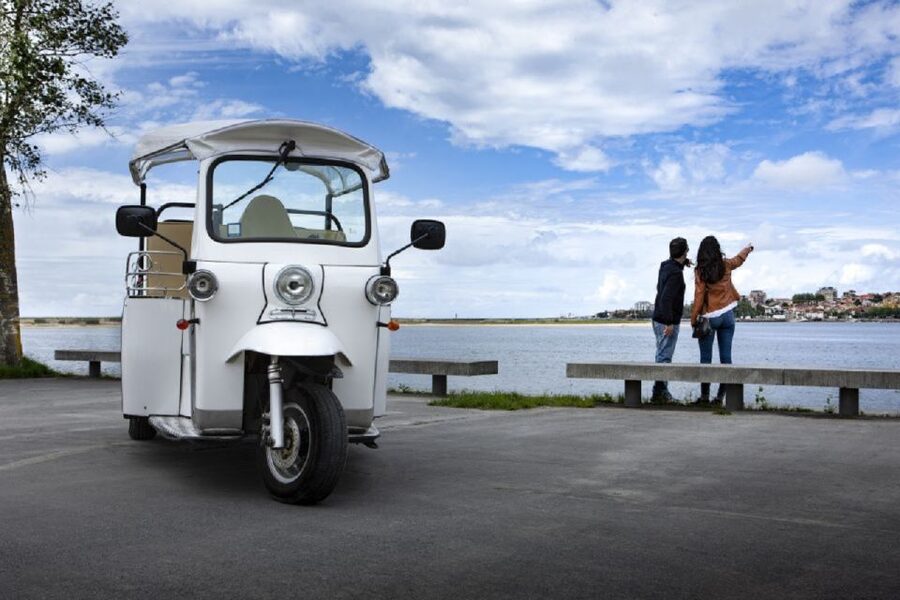
The first sightseeing area is Fontaínhas, a good introduction to Porto’s layered setting. From here, you begin to understand how the city rises above the Douro and why viewpoints matter so much in Porto.
The tuk-tuk is especially useful here because it saves you from making a steep approach on foot. Your guide can explain the view while you remain seated, then pause when there is a worthwhile photo angle. The route gives you a chance to see the river, the old roofs, and the connection between Porto and Vila Nova de Gaia across the water.
The Serra do Pilar viewpoint is another major attraction connected with the Gaia side. Its historic monastery and high position provide one of the best broad views toward Porto. If this stop is included in your departure time and route, it is one of the moments to prioritize. You get the classic sweep of the river, bridge, old city, and church towers in one frame.
The exact order can vary. The description includes a crossing of Ponte Luís I and sightseeing in Gaia, while the listed route names Fontaínhas, the city center, and Sé. Think of the tour as a guided overview rather than a rigid sightseeing checklist.
Clérigos Tower and the city center

Clérigos Tower is one of Porto’s clearest landmarks. It rises above the surrounding streets and helps you understand the city’s shape from ground level. The tuk-tuk makes a photo stop here, giving you time to look up, take pictures, and hear why the tower matters.
This is not a tower-climbing tour. The experience focuses on seeing the monument from outside and learning from the guide. If you want the full view from the top, you would need to arrange that separately and allow extra time.
From Clérigos, the route continues toward Avenida dos Aliados. This broad avenue feels very different from the old lanes around Ribeira. Grand buildings, formal facades, and the city’s main civic spaces give you a sharper sense of Porto’s public face.
Aliados is useful as a reference point for the rest of your stay. It sits close to several major sights and transport links, so your guide can help you understand how the central areas fit together. This is also where a good guide adds value by pointing out details you might otherwise pass without noticing.
Same base, a completely different sort of day:
- The Unvanquished Tour in Porto City Center
★ 5.0 · 26,497 reviews - Porto: Six Bridges Cruise
★ 4.2 · 11,680 reviews - Porto: Live Fado Show with Glass of Port Wine
★ 4.8 · 6,498 reviews - Porto: 6 Bridges Douro River Cruise
★ 4.3 · 6,472 reviews
Ribeira, Porto Cathedral, and the old streets
Ribeira brings you closer to everyday Porto. Colorful buildings crowd the riverfront, cafés send out the smell of pastries, and the streets feel more intimate than Aliados. The area is part of Porto’s UNESCO World Heritage center, and it is one of the places where the city’s old working character remains easiest to sense.
A tuk-tuk is useful here, but it cannot make the narrow streets feel empty. Expect traffic, pedestrians, and busy corners. The reward is that you can pass through the district without committing your whole day to steep walking, then stop when the guide points out a good view or historic detail.
Porto Cathedral, known locally as Sé, gives the tour another change of mood. Its Romanesque form and long religious history make it one of the city’s key landmarks. The cathedral area also sits high above parts of the old center, so the stop helps connect the religious, defensive, and residential sides of Porto.
You may get time to leave the vehicle and look around, but this is still a sightseeing tour, not a full interior visit at every monument. If entering the cathedral or another attraction is important to you, ask the guide how much time the schedule allows.
Palácio de Cristal and quieter city views
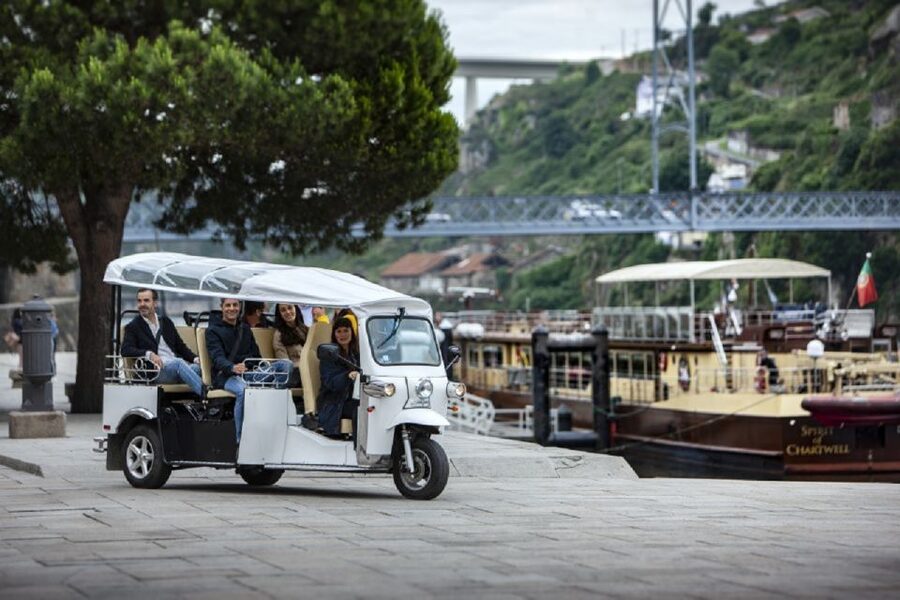
Palácio de Cristal Gardens offer a welcome pause from the tight lanes of the center. The grounds provide open greenery and broad views toward the Douro, giving you a calmer setting after the noise and stone of Ribeira.
I like this part of the route because it shows Porto beyond its postcard streets. You see how the city uses its high ground and river position, and you get a little breathing room without leaving the urban area. The stop is also well suited to photographs, especially if the light is clear.
The gardens are not a formal garden tour. The guide may give you time to look around and explain the setting, but the main purpose is to enjoy the view and add variety to the ride. If you want a slow walk through every path, return later on your own.
The route also includes the Palácio da Bolsa area, where the guide can explain Porto’s old commercial life and the role of merchants in the city. Depending on traffic and timing, you may pass the building or stop nearby rather than take an extended interior tour. That distinction matters if you are comparing this experience with a ticketed palace visit.
The bridge, Gaia, and sunset timing
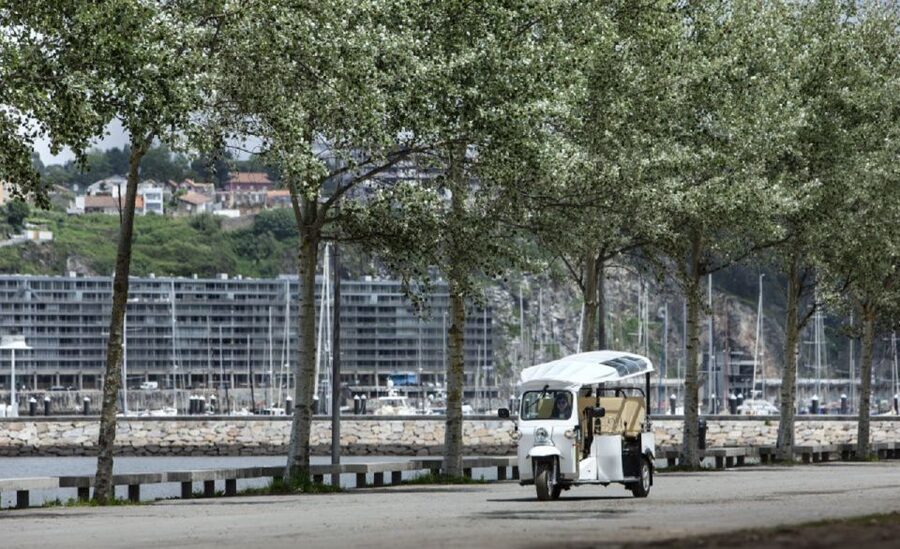
Ponte Luís I is one of the tour’s most memorable crossings. The double-deck iron bridge links Porto with Vila Nova de Gaia and gives you dramatic views along the Douro. From the vehicle, you can look across the water toward the old city and downriver toward the Atlantic side.
The best light depends on your departure time. The tour description highlights sunset views, but sunset is not guaranteed unless you select a suitable start. Check the available times if golden light is a priority.
Gaia adds another layer to the outing. Guides have taken passengers across for views and short detours, and one guide stopped at Guia for a look around. The route may also bring you near the city’s famous port-wine area, although this is not a tasting tour and snacks or drinks are not included.
You cannot bring drinks into the vehicle, and alcohol and drugs are not allowed. That rule is easy enough to follow, but it is worth knowing before you set out with a bottle or takeaway coffee.
Guides and the value of a private route
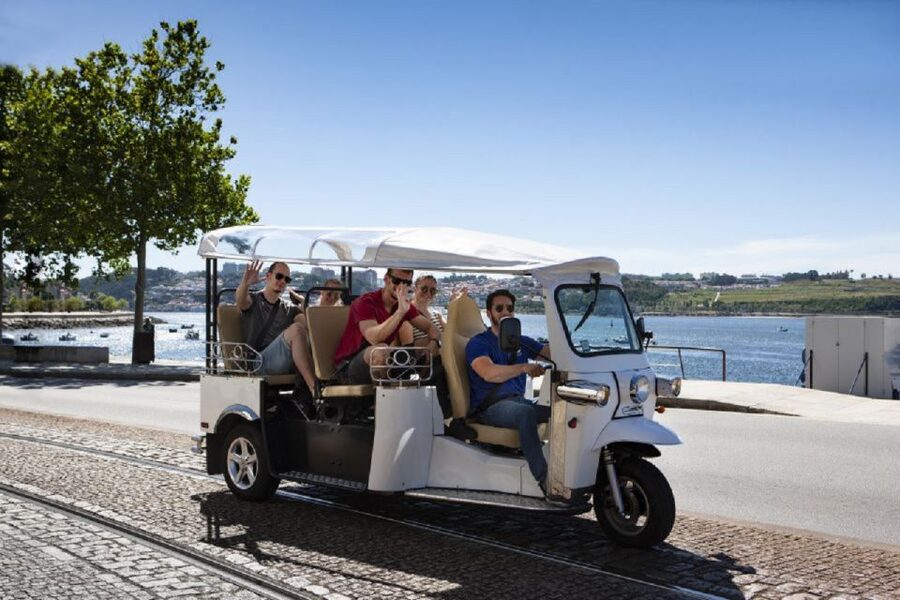
The strongest part of this experience is the guide. The tour is available in English, Spanish, Portuguese, and French, and the guide can adjust the conversation to your interests and existing knowledge.
Diogo, Helena, Barbara, Tiago, Juan, Rodrigo, and several other guides have been singled out for being friendly, clear, and flexible. Diogo reportedly asked what his passengers already knew so he could shape the explanation. Another guide helped a passenger with a mobility issue and paid close attention to comfort and safety.
That does not mean every guide will deliver the same style. One passenger found the English difficult to follow, despite requesting an English-speaking guide. If clear English is essential, confirm the language when booking and repeat the request at check-in.
A private group also gives you room to ask questions. You can ask where to eat, which sights deserve a return visit, or how to reach a neighborhood later. Several guides have offered restaurant suggestions and practical plans for the rest of the day. This personal advice is part of the value, especially if you have only one day in Porto.
Is $47 per person good value?
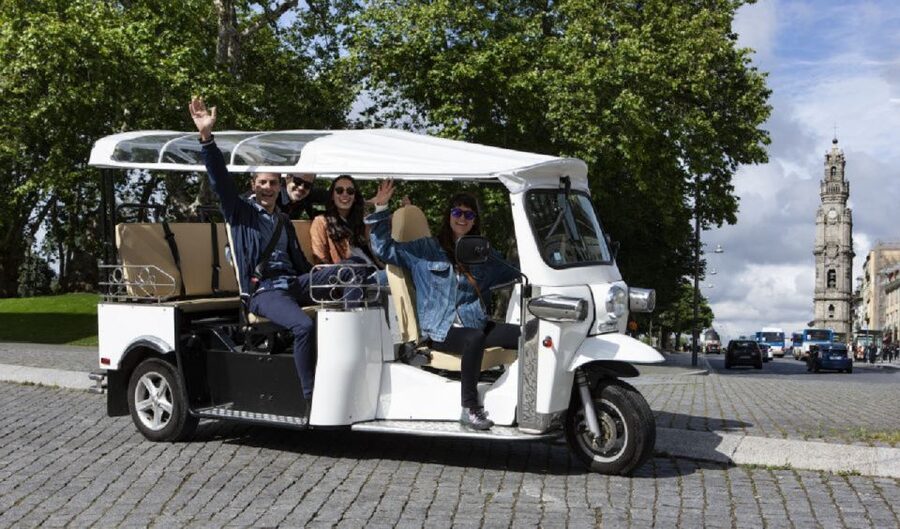
At the advertised $47 per person, the tour can be good value if you want a private guide, transport, and a quick survey of the city. A private vehicle costs more than a large group bus, but you get a quieter ride, a more flexible conversation, and access to narrow streets.
The price becomes less straightforward for two people. One booking showed a final price of about $150 for two, despite an advertised figure in the mid-$40 range. The operator explained that dynamic pricing had been introduced and that the total depended on having at least two passengers. I would treat $47 as a starting price, not a guaranteed final total.
For a family or small group, the calculation may look better because you are paying for the vehicle and guide rather than buying several separate sightseeing tickets. For a solo passenger, the final price deserves closer attention.
Free cancellation up to 24 hours before departure and reserve-now, pay-later booking make it easier to hold a time while you plan. Those policies help, but they do not remove the need to check the exact price, language, and group size before confirming.
Who should book this Porto tour?
I would choose this tour if you are visiting Porto for the first time, have limited time, or find steep hills difficult. It is also a good fit for couples and small private groups who want to ask questions instead of following a fixed script.
It suits photographers because the route includes several high viewpoints, the bridge, historic monuments, and planned photo stops. It also works for people who want a city orientation before exploring on foot.
I would be more cautious if you have back problems, are pregnant, or expect a smooth ride. The electric motor is quiet, but it does not soften every cobblestone. If you want long interior visits at Clérigos Tower, Porto Cathedral, or Palácio da Bolsa, book separate admission and allow more time.
FAQ
How long is the Porto electric tuk-tuk tour?
The tour lasts two hours.
Where does the tour start?
It starts at R. de Alexandre Herculano 251. Look for a group of bicycles and check in inside.
Where does the tour finish?
The scheduled return point is R. de Alexandre Herculano 251.
Is the tuk-tuk tour private?
Yes. The experience is for a private group with private transportation and a private guide.
Which languages are available?
Guides are available in English, Spanish, Portuguese, and French.
Are snacks included?
No. Snacks are not included, and drinks are not allowed inside the vehicle.
Who should not take this tour?
The tour is not suitable for children under seven, pregnant women, or people with back problems.
Should you book it?
Book this Porto tuk-tuk tour if you want a fast, personal introduction to the city and would rather save your legs for later exploring. The combination of Clérigos, Aliados, Sé, Ribeira, Palácio de Cristal, Fontaínhas, and Gaia gives you a useful first look, while a good guide can add restaurant tips and small details that a fixed bus route misses.
Before booking, check the final price, confirm your preferred language, and choose a time that matches your hopes for sunset. If you can handle a bumpy ride and treat the outing as an orientation rather than a series of full museum visits, this is a smart way to get your Porto bearings in two hours.
The newest listings around Porto
- Canyoning Tour From Porto★ 5.0 · 79 reviews
- Porto: Tuk tuk Tours with Port Wine Tasting★ 4.5 · 65 reviews
- The Beautiful Story of Porto: Guided Tour with Entry Tickets★ 4.8 · 111 reviews
- Porto: Small Group Surfing Experience with Transportation★ 4.9 · 40 reviews
- Porto: Royal Oporto Tour na Real Companhia Velha★ 4.8 · 395 reviews
- Porto: WOW Daily Ticket★ 4.7 · 42 reviews
- Porto: 6 Bridges Port Wine River Cruise with 4 Tastings★ 4.8 · 182 reviews
- Porto Wine Tasting Experience with Portuguese Tapas Plate★ 4.7 · 356 reviews
Tuk-Tuks, compared.

True 4Hour Private Tuk Tuk Tour: Discover Lisbon with a Local!
Read our review →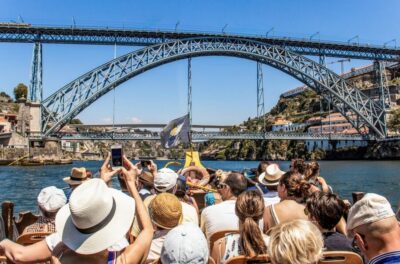
Guided Tour by Tuk-Tuk & Optional Douro River Cruise
Read our review →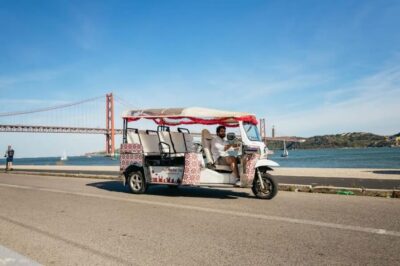
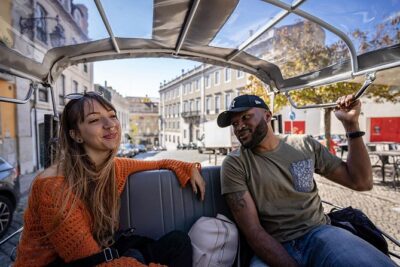
Private Lisbon Sightseeing Tuk-Tuk Tour: Alfama, Belém & More
Read our review →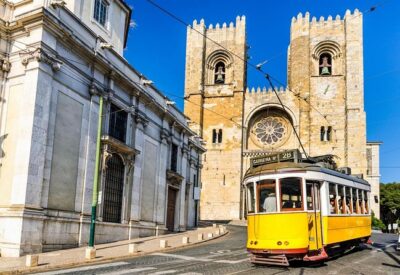
Lisbon Highlights: Private Tuk Tuk Tour Adventure Sightseeing
Read our review →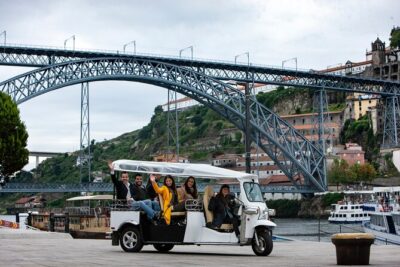
Discover Porto’s Highlights on a 2-Hour Private Electric Tuk Tuk
Read our review →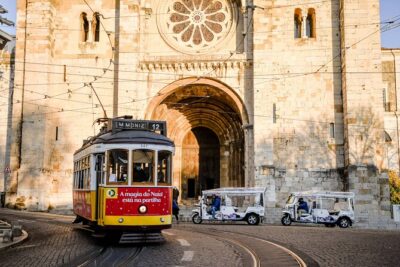
Welcome Lisbon Tour with Local Guide in Private Eco Tuk Tuk
Read our review →
Browse the lists this tour appears in