
Reviewed · PORTO TOURS
Matosinhos: Conservas Pinhais Factory Tour
The best part of the Pinhais Factory Tour is that it treats canned fish as food, craft, and family history all at once. You move through a century-old building, watch the production floor at work when the schedule allows, and finish by wrapping your own sardine tin before tasting the result.
I like the hands-on wrapping activity and the honest look at the people behind the process. I also like the tasting, which pairs traditional preserves with bread and wine instead of leaving you with only a quick glance at the machinery. The main consideration is timing: the factory cannot promise that fish will be handled during your visit, since production follows the catch and the day’s work plan.
Key points to know before booking
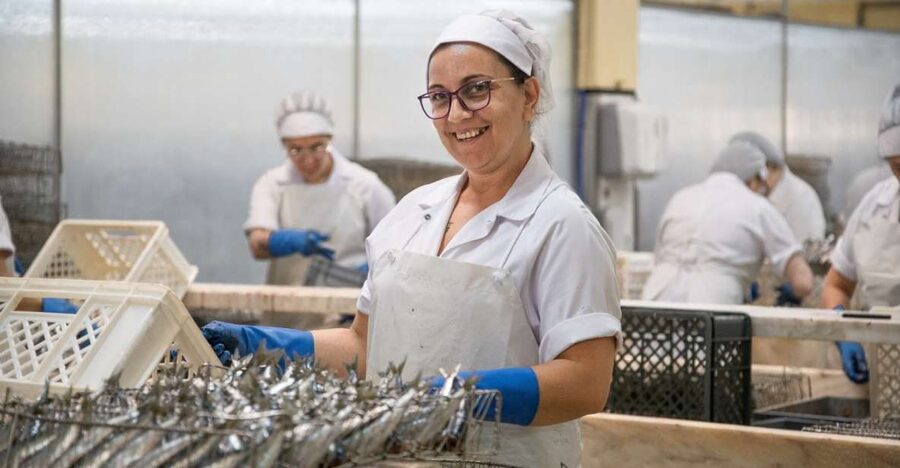
- Traditional production remains central: Pinhais still presents its long-established method rather than turning the visit into a simple brand showroom.
- The factory floor changes by day: Weekday tours may see active production, while weekends and holidays focus more on the building, tools, and hands-on demonstrations.
- You wrap your own tin: This small task gives you a better feel for the care involved in the finished product.
- The tasting is part of the price: Sardine preserves, bread, and a glass of wine or soft drink are included.
- Roberto may be your guide: He has been praised for his friendly, clear approach, though guide assignments can vary.
- Expect about 90 minutes: The guided factory portion is listed at one hour, with time also needed for the tasting, wrapping, and shop.
Why a Matosinhos cannery deserves your time
Matosinhos is closely tied to Portugal’s fishing and seafood culture, so a sardine factory visit fits the place far better than a generic indoor attraction. Pinhais offers a look at how fish becomes a familiar Portuguese pantry food, while also showing how a family company has kept its identity through changing times.
The story here is built around commitment, resilience, and continuity. Those ideas are not left as vague slogans. They appear in the old factory areas, the production methods, the work of the employees, and the company’s emphasis on fresh fish and carefully chosen ingredients.
I find that useful because canned fish is easy to treat as a cheap souvenir. At Pinhais, you see why a well-made tin can be more considered than that. The company’s small-batch approach and hands-on work help explain the difference between an ordinary can and a product people seek out on purpose.
The tour costs $30 per person. That is not a bargain basement factory visit, but the price covers a guided English tour, protective clothing, headsets, the wrapping activity, a tasting, and a drink. You also get access to a working historic site rather than a museum display built only for tourism.
A few more Porto options worth putting side by side
- The Unvanquished Tour in Porto City Center
★ 5.0 · 26,497 reviews - Porto: Six Bridges Cruise
★ 4.2 · 11,680 reviews - Porto: Live Fado Show with Glass of Port Wine
★ 4.8 · 6,498 reviews
Arriving at Av. Menéres 700
The meeting point is at Av. Menéres 700 in Matosinhos. Before the tour starts, you must exchange your voucher at the ticket counter, so allow enough time to arrive, find the entrance, and complete that step without rushing.
The factory is wheelchair accessible. Food, drinks, medicines, jewelry, backpacks, bags, and suitcases must be placed in lockers, so keep your arrival simple. You will be given protective clothing for the factory visit, and headsets help you hear the English guide clearly.
The headsets matter more than they might sound. Factory spaces can have working equipment and background noise, and a quiet explanation can easily disappear when you are standing near machinery. Clear audio lets you focus on the guide’s story instead of trying to read lips from the back of a group.
The full experience lasts about 1.5 hours. The actual guided tour is listed as one hour, with the remaining time covering the practical activities, tasting, and shop. I would not schedule another appointment immediately afterward.
Inside the centenary building
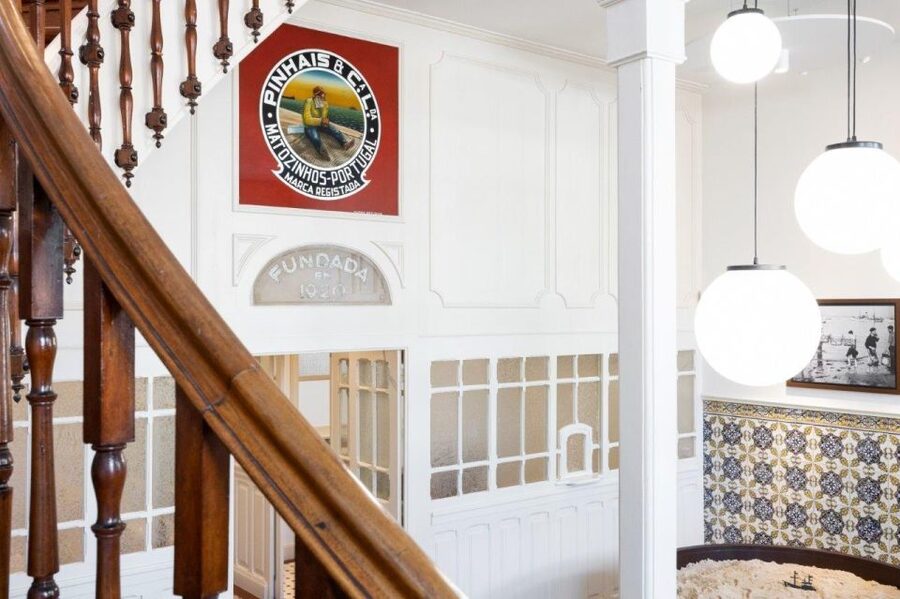
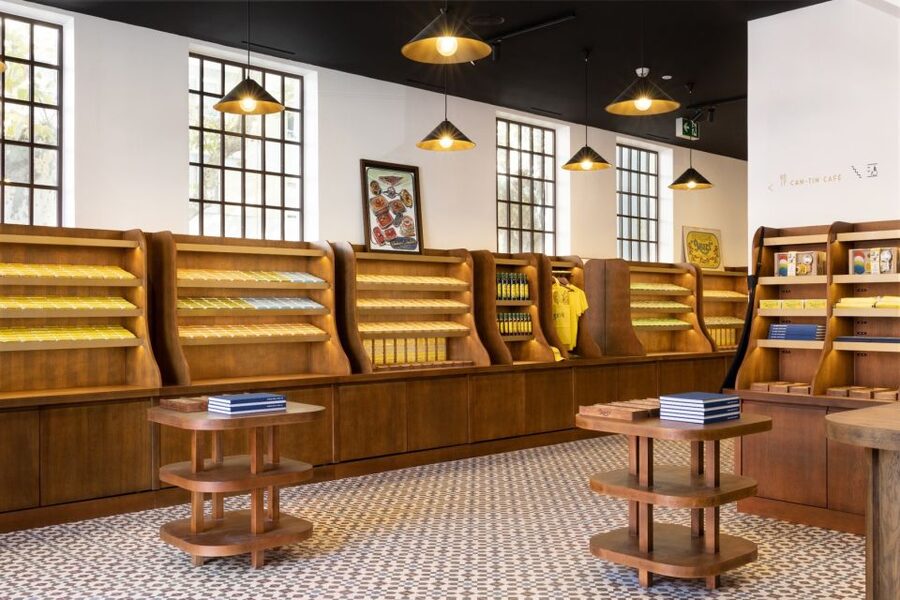
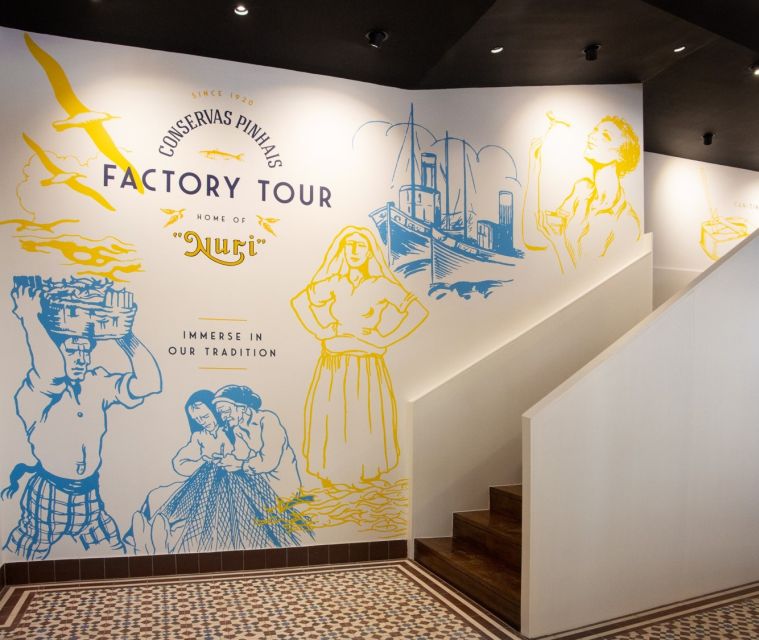
The first part takes you through the historic areas of the old Pinhais building. This sets the company’s story in place before you see the production work.
That order makes sense. If you began beside a machine, you might notice only the mechanics. Starting with the building and the company’s past gives the tools, rooms, and working methods a human purpose.
Pinhais presents itself as a family company shaped by many individuals over more than a century. The focus is not only on the finished tin. You learn how the company’s identity has been carried through different generations and how its traditional method remains part of daily work.
Audiovisual material adds another layer to this introduction. It helps explain the company and its production before you enter the working areas. For anyone who knows little about Portuguese preserves, this background makes the later stages easier to follow.
The historic setting is one of the tour’s strongest features, but it may not appeal equally to everyone. If you want a fast, machinery-heavy factory visit, the opening section could feel slow. If you like places where the building itself carries part of the story, it gives the tour a useful start.
Seeing the production floor in action
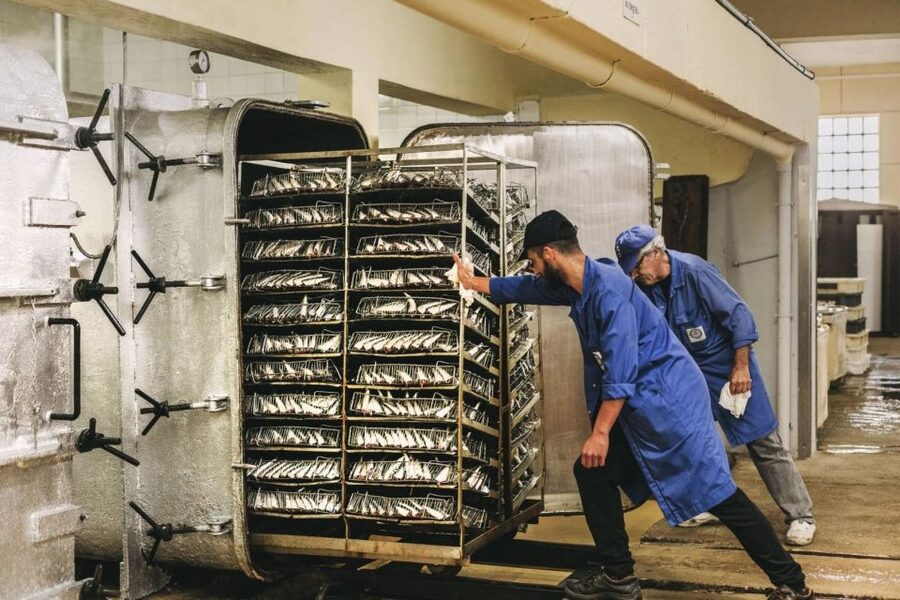
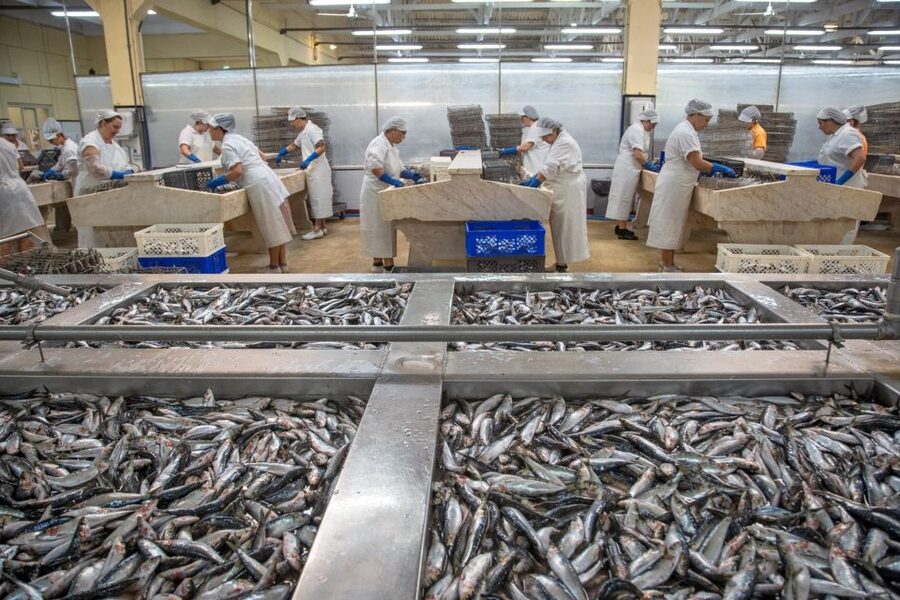
On Monday through Friday, the tour includes a visit to the production floor while it is operating, subject to that day’s work. You can learn how the fish moves through the traditional process and see the experienced workers carrying out the steps by hand.
This is the moment when the tour becomes more than a company history lesson. You get a direct look at the work behind the tidy tins on a shop shelf. The process depends on timing, care, ingredients, and repetition, not just on a machine doing everything automatically.
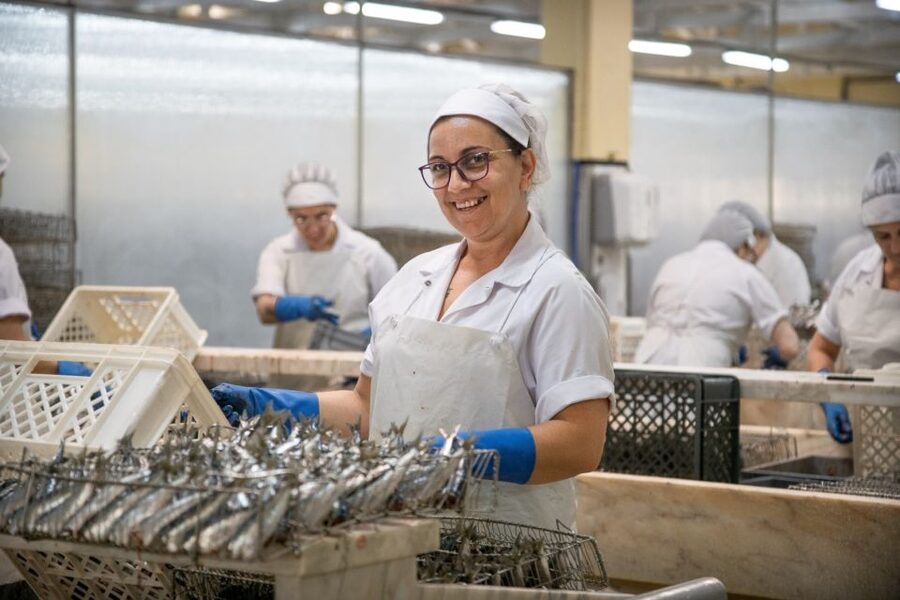
The staff are an important part of what you see. The production is described as artisanal, and the work of the women on the factory floor has been a highlight for many people who want to understand how the preserves are made. You see the skill involved in a job that can look simple only after years of practice.
There is one important limit. Pinhais cannot guarantee that you will see fish being handled. The activity shown depends on the production team’s plan and on the available sardine catch. A factory visit is not a staged performance, and that uncertainty is worth accepting before you book.
This also means that two visits may not be identical. You might see one stage of production on a weekday and a different part of the process on another date. The tour remains useful even if fish handling is not taking place, since the historic areas, workshop, wrapping task, tasting, and explanation continue.
Same base, a completely different sort of day:
- Porto: 6 Bridges Douro River Cruise
★ 4.3 · 6,472 reviews - Porto: Torre dos Clerigos Entrance Ticket
★ 4.6 · 6,395 reviews - Porto: Guided Tour by Tuk-Tuk & Optional Douro River Cruise
★ 4.5 · 5,980 reviews - Porto Card with Transportation (1, 2, 3 or 4 Days)
★ 4.1 · 4,741 reviews
What changes on weekends and holidays
Saturday, Sunday, national holiday, and after-hours tours take place during the workers’ weekly break. You will not see the production floor operating in the same way as on a regular weekday, but you can explore some of the factory’s more exclusive areas and experience parts of the traditional method with your own hands.
That schedule may actually suit some people better. Without active production, you have more space to focus on the building, old tools, and explanation. You also avoid booking a weekend tour with the assumption that a full workforce will be present.
The trade-off is clear: choose a weekday if watching active production is your main goal. Choose a weekend, holiday, or after-hours visit if your schedule requires it and you are happy with a quieter, more hands-on look at the factory.
The company is open about this difference, which helps you make the right choice. No matter the day, the tour includes the historic areas, audiovisual content, old workshop, wrapping activity, tasting, and shop.
The old workshop and the wrapping lesson
The old factory workshop gives you another view of the company’s working past. It helps connect the older methods with the present-day product and shows that the factory’s identity is not limited to a polished retail space.
Then comes one of the tour’s most memorable details: you learn to wrap your own tin. Everyone takes part, so this is not just a demonstration from behind a barrier.
Wrapping a can may sound minor, but it changes how you see the finished item. You begin to notice the presentation, the handwork, and the care required to make a traditional product look ready for a shop shelf. It also gives the tour a light, practical moment after the more serious history and production explanation.
The activity is suitable for people who enjoy doing rather than only watching. It also works well for families and groups because everyone has a clear task. Do not expect a full lesson in every part of factory work, but you will leave with a better feel for the labor behind the packaging.
The tasting at Can-Tin Café
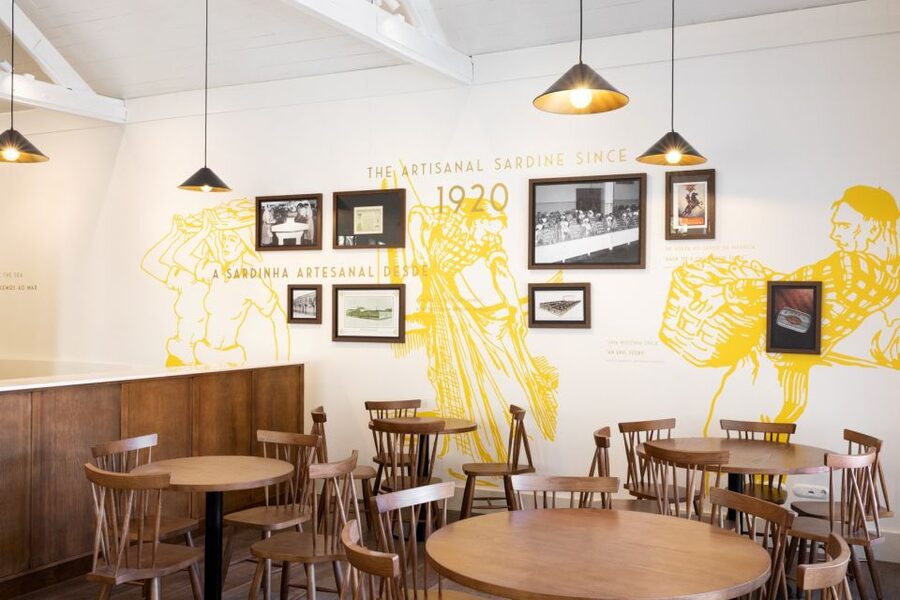
The tasting takes place at the Can-Tin Café, and it is one of the clearest reasons the $30 price feels fair. You receive fish preserves with bread and a glass of wine or a soft drink.
This is not merely a token sample. The tasting lets you connect the production story with the food itself. You have heard about the fish, ingredients, and method, then you get to judge the final result at the table.
The spicy sardines in olive oil have drawn particular praise, and the tasting can change the mind of someone who does not think of sardines as a favorite food. The company also produces mackerel, and the shop gives you a chance to explore more than one style after you have tried the sample.
Plan your meal around this stop. The tasting is enough to count as a meaningful snack, and one person specifically advised against having a large lunch beforehand because sardines are served at the end. You should not arrive expecting a full restaurant meal, but you should leave satisfied enough to make the tasting worthwhile.
The wine pairing adds a pleasant Portuguese touch. If you prefer not to drink wine, a soft drink is included instead. That makes the final stop workable for non-drinkers and for people who want to keep the experience alcohol-free.
The café setting also slows the pace at the right moment. After walking through the building and standing near the production areas, you can sit, taste, and talk about what you have seen.
The shop and the question of value
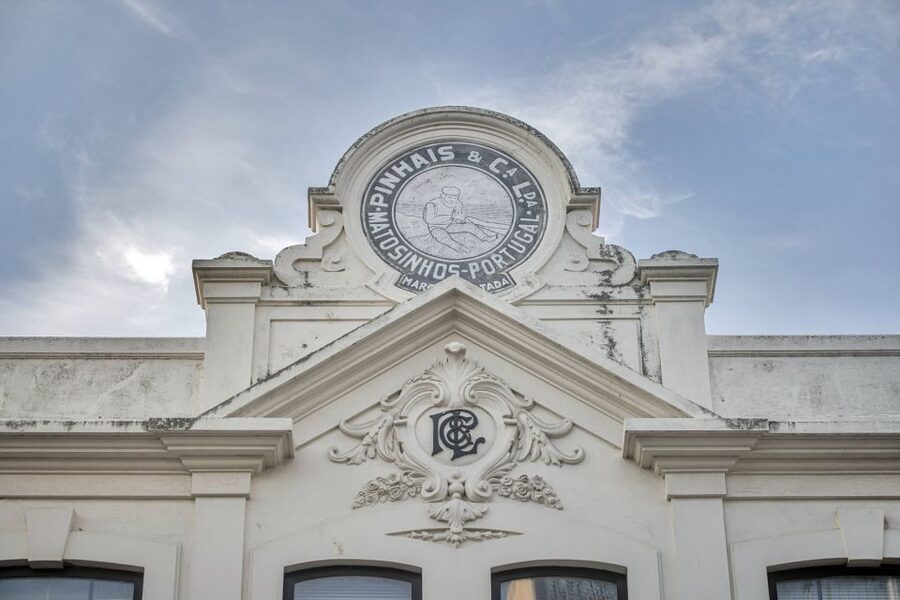
The tour ends with a visit to the iconic Pinhais Shop. You can buy the preserves you have just sampled, including sardines and mackerel, and choose among the flavors that appealed to you most.
A shop at the end of a factory tour can feel like a sales pitch, but here it follows a useful tasting. You do not have to guess what is inside the tin. You have already tried the product, so any purchase is based on your own taste.
I would set a budget before entering. The tour price includes the tasting, but tins bought afterward cost extra. The shop is a good place to pick up a food gift or a few tins for your own kitchen, but you do not need to buy anything to complete the experience.
The commercial side is also balanced by the company’s attention to its workers and its long-term identity. The visit presents Pinhais as a business, but it does not reduce the whole story to branding. You see a product being made, learn how it is wrapped, and taste it before reaching the shop.
Who will enjoy the Pinhais Factory Tour
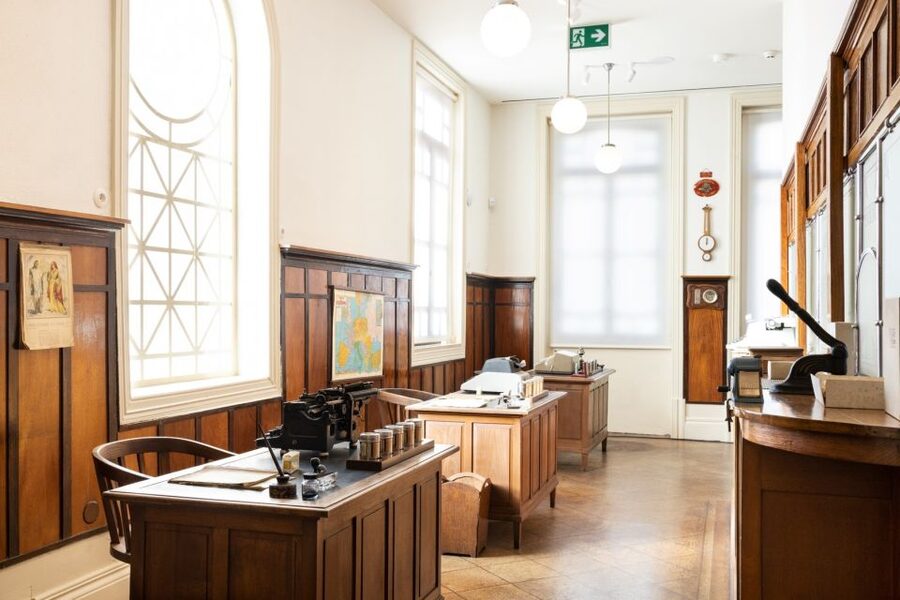
I would recommend this tour to anyone curious about Portuguese food, especially if you like seafood, traditional crafts, or working historic buildings. It is also a good choice for people who normally skip food museums because this is more active than a display of labels and photographs.
You will get the most from it if you enjoy:
- Food production: The tour explains how fish becomes a finished preserve and lets you taste the result.
- Company history: The family story and centenary setting give context to the work.
- Hands-on activities: Wrapping your own tin keeps the visit from becoming a passive lecture.
- Small food discoveries: The spicy sardines and other preserves may broaden your idea of what canned fish can be.
- Clear English guiding: The tour includes a live English guide, an English audio guide, and headsets.
It may be less suitable if you want a large, busy factory in full operation at every stage. Production varies, and fish handling is not guaranteed. It is also not the right pick if you dislike seafood, although the historic building and process may still interest you.
The tour works well for couples, food-focused families, and solo visitors who want a structured activity in Matosinhos. The tasting adds a social finish, while the wrapping task gives children and adults something concrete to do.
Booking details worth knowing
You can cancel up to 24 hours before the start time for a full refund. A reserve-now, pay-later option is also available, which helps if you are still arranging a Porto or Matosinhos schedule.
The tour is offered in English, with a live guide and English audio support. Guide Roberto has received especially warm praise for his friendly and informative style, though you should not assume he will lead every departure.
Wear something practical under the protective clothing and avoid bringing items that must go into a locker. Because the tour takes place in different parts of the factory, you will be better off with free hands and no need to keep checking a large bag.
Should you book it?
Book the Conservas Pinhais Factory Tour if you want a genuine look at Portuguese food production, not just a quick tasting in a pretty shop. The historic building, active work when the schedule allows, hand-wrapping activity, and sardines with wine make the 1.5-hour visit feel full without becoming exhausting.
Choose a weekday if seeing workers on the production floor matters most. Choose a weekend or holiday if that is when you can go, but understand that the factory will be on its weekly break and the focus will shift toward the historic spaces and hands-on elements.
At $30, this is best viewed as a guided cultural and food experience rather than a simple factory entry ticket. If you like sardines, it is an easy choice. If you are unsure about canned fish, the tasting and the careful production story may be enough to change your mind.
FAQ
Where does the Pinhais Factory Tour begin?
The tour begins at Av. Menéres 700 in Matosinhos. Exchange your voucher at the ticket counter before the tour starts.
How long does the experience last?
The full experience lasts about 1.5 hours. The guided factory visit itself is listed at one hour, with additional time for wrapping, tasting, and the shop.
Is the tour available in English?
Yes. The experience includes a live English guide and an English audio guide. Headsets are provided so you can hear the guide clearly.
Will I definitely see sardines being handled?
No. The production activity depends on the day’s work plan and the available sardine catch. Pinhais cannot guarantee that fish handling will take place during your visit.
What food and drink are included?
The tour includes a tasting of Pinhais fish preserves, bread, and a glass of wine or a soft drink.
Is the factory wheelchair accessible?
Yes. The experience is listed as wheelchair accessible. Food, drinks, medicines, jewelry, backpacks, bags, and suitcases must be stored in lockers during the tour.
The newest listings around Porto
- Canyoning Tour From Porto★ 5.0 · 79 reviews
- Porto: Tuk tuk Tours with Port Wine Tasting★ 4.5 · 65 reviews
- The Beautiful Story of Porto: Guided Tour with Entry Tickets★ 4.8 · 111 reviews
- Porto: Small Group Surfing Experience with Transportation★ 4.9 · 40 reviews
- Porto: Royal Oporto Tour na Real Companhia Velha★ 4.8 · 395 reviews
- Porto: WOW Daily Ticket★ 4.7 · 42 reviews
- Porto: 6 Bridges Port Wine River Cruise with 4 Tastings★ 4.8 · 182 reviews
- Porto Wine Tasting Experience with Portuguese Tapas Plate★ 4.7 · 356 reviews
Porto Tours, compared.

Guided Tour by Tuk-Tuk & Optional Douro River Cruise
Read our review →
Porto Card with Transportation (1, 2, 3 or 4 Days)
Read our review →
Browse the lists this tour appears in