
Reviewed · DOLPHIN WATCHING
Faro: Dolphin and Wildlife Watching in the Atlantic Ocean
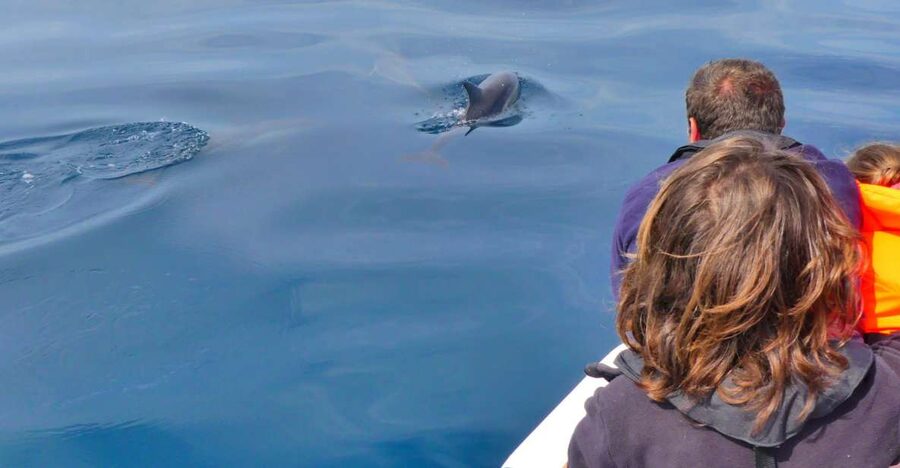
The best part of this Faro boat trip is the chance to see wild dolphins on their own terms, not animals trained for a show. You cruise from Faro through Ria Formosa Natural Park, pass the Barrier Islands, and head into the Atlantic with marine biologists searching for fins, blows, and seabirds.
I like the strong conservation focus and the guides’ clear respect for the animals. I also like the small-boat feel and the chance to ask about dolphin behavior, population research, and the ocean ecosystem. The tradeoff is a real one: this is a fast, open-water ride that can be bumpy, windy, and wet, and sightings are never certain.
- Wildlife first: Search for resident dolphins all year, with whales more likely from February through May.
- Marine biologists aboard: Guides including Miguel, Pedro, Ines, Alfredo, and others explain behavior, identification, and research methods.
- Ria Formosa views: The trip begins among marshes, barrier islands, and the waters around Deserta and Culatra.
- A genuine wildlife outing: Dolphins are free to leave, and the crew limits observation of one pod to about 30 minutes.
- Fast and physical: Expect Atlantic swell, wind, spray, and firm boat seats during the 2.5-hour trip.
- Good booking flexibility: The $76 price includes the boat, guide, and life jacket, with cancellation allowed up to 24 hours before departure.
From Faro Marina to the Open Atlantic
You meet at the Ocean Vibes Algarve office in Faro harbour or marina. Look for the shared shop with an Ocean Emotions banner. Hotel pickup is not included, so plan your route to the marina carefully and allow time to find the correct storefront.
The boat first crosses Ria Formosa Natural Park. This is not just a transfer to the ocean. You get views of the marshes and the Barrier Islands, including Deserta and Culatra, before the boat reaches the open coast. The protected waters provide a calmer start, while the marshes and islands give you a sense of how much wildlife habitat lies just outside Faro.
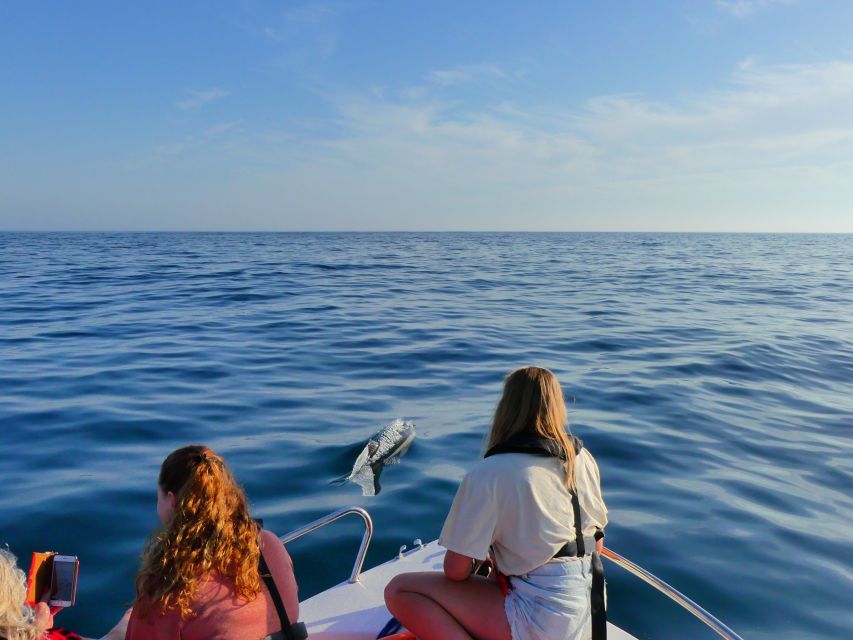
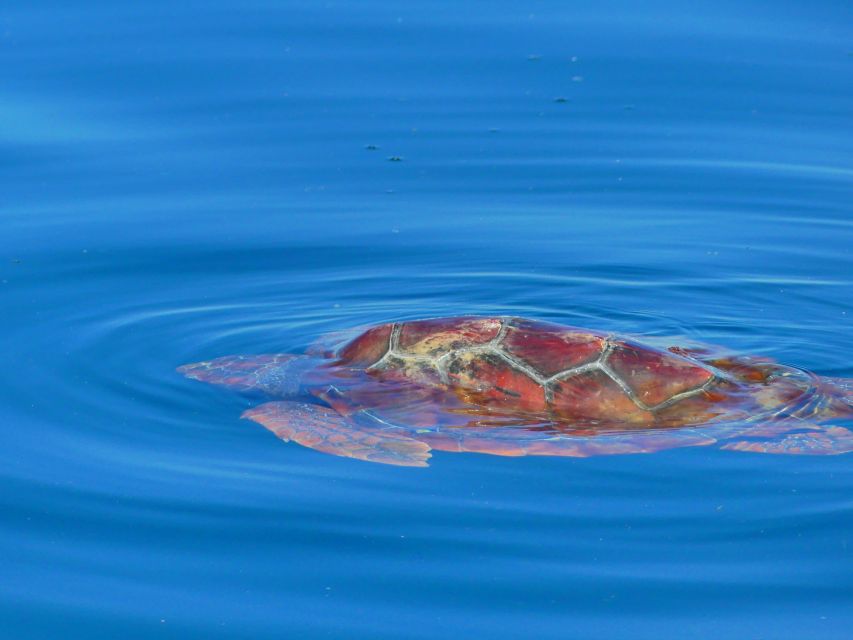
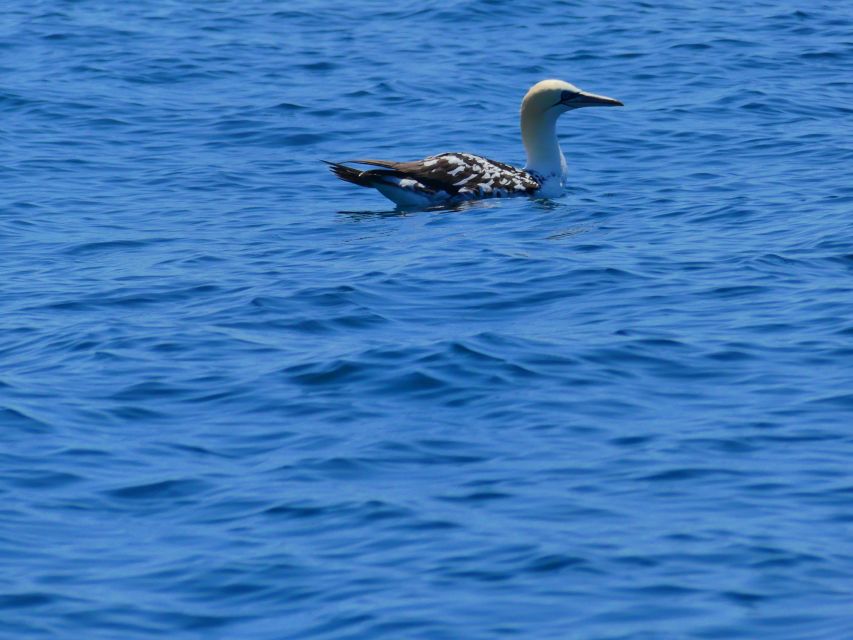
Once the boat reaches the Atlantic, the mood changes. The crew begins scanning the surface for fins, backs, seabirds, and whale blows. Your guides may point out gannets and shearwaters overhead, then shift their attention to dolphins, porpoises, whales, or less predictable sightings such as ocean sunfish, blue sharks, hammerhead sharks, and marine turtles.
This searching is part of the experience. It is not a ride directly to a guaranteed dolphin encounter. You may spend a good portion of the trip moving between possible sightings, and one account describes about 45 minutes in open water before wildlife was found. The crew may also extend the outing when conditions and animal movements make that worthwhile, but you should not build a tight schedule around the advertised 2.5 hours.
What the 2.5-Hour Search Feels Like
The boat is fast, which helps the crew cover more water but also makes the ride lively. The Atlantic can be choppy, especially when leaving the harbour, and several accounts describe a bumpy, rollercoaster-like trip. That will thrill some people and tire others.
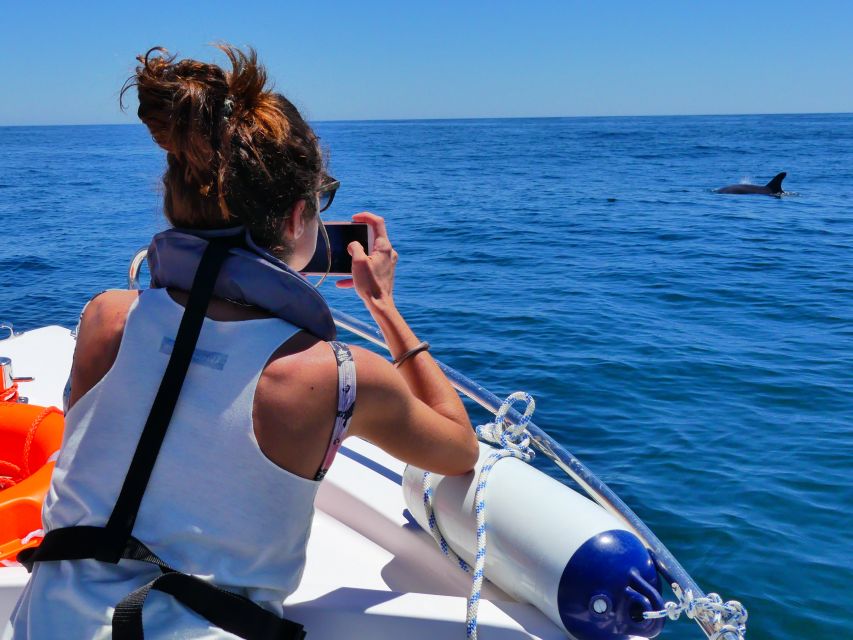
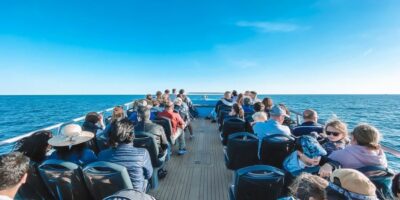
Boat seats may feel less comfortable by the end, especially after repeated movement over the swell. You can also get splashed on windy days. Bring a jacket even if Faro feels warm on land, and take water and sun cream. Comfortable clothing is the official advice, but I would treat that as the minimum: wear practical layers and avoid bringing anything you do not want sprayed with seawater.
The activity is not suitable for children under two, pregnant women, people with back problems, or people with mobility impairments. It is also not recommended for anyone with limited mobility. Life jackets are provided, and the crew explains safety rules before departure.
Smoking, pets, feeding animals, and touching marine life are not allowed. Assistance dogs are permitted. These rules matter because the point is to observe free-ranging animals without changing their behavior.
More Dolphin Watching in the Algarve
- Small Group Dolphin and Wildlife Watching Tour in Faro
★ 5.0 · 578 reviews - Dolphin Watching + 2 Islands Tour – From Faro
★ 5.0 · 281 reviews - From Faro: Dolphin Watching & 2 Islands Tour
★ 4.4 · 73 reviews
Dolphins Are the Main Prize
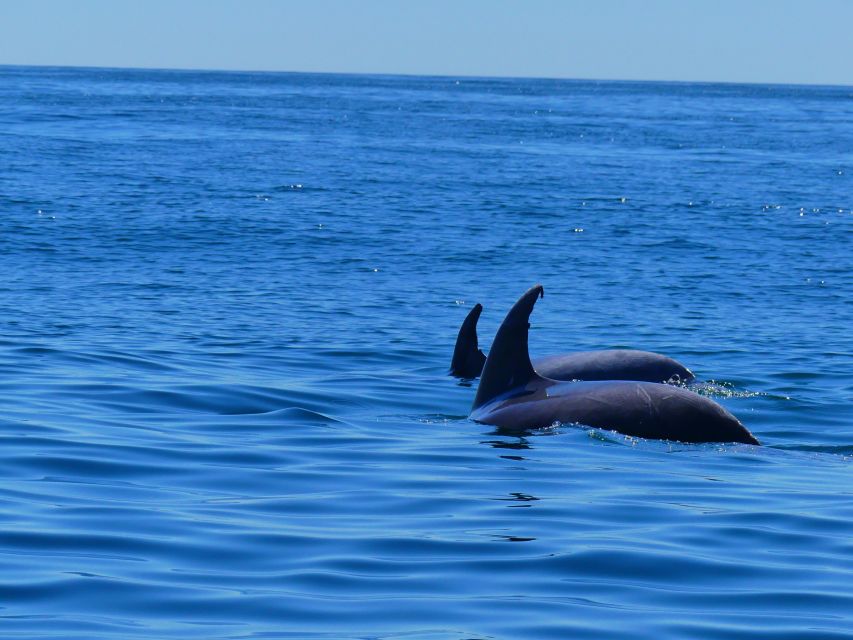
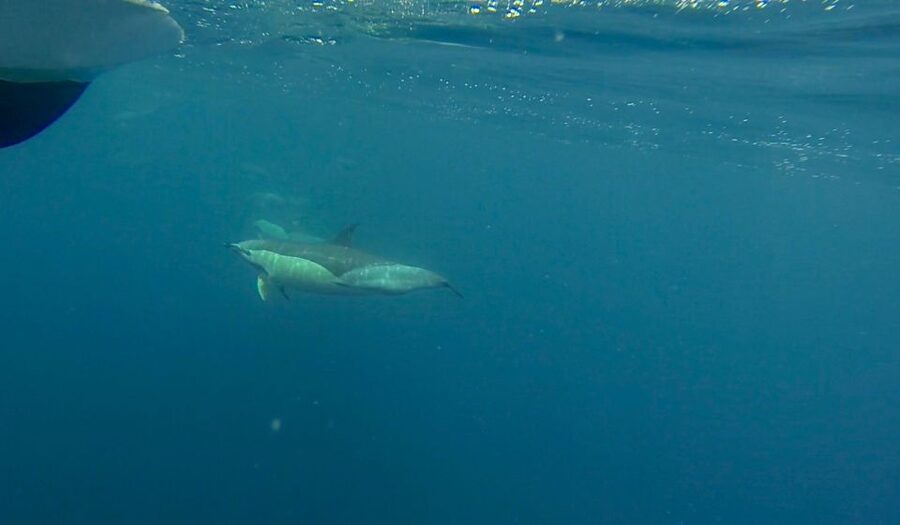
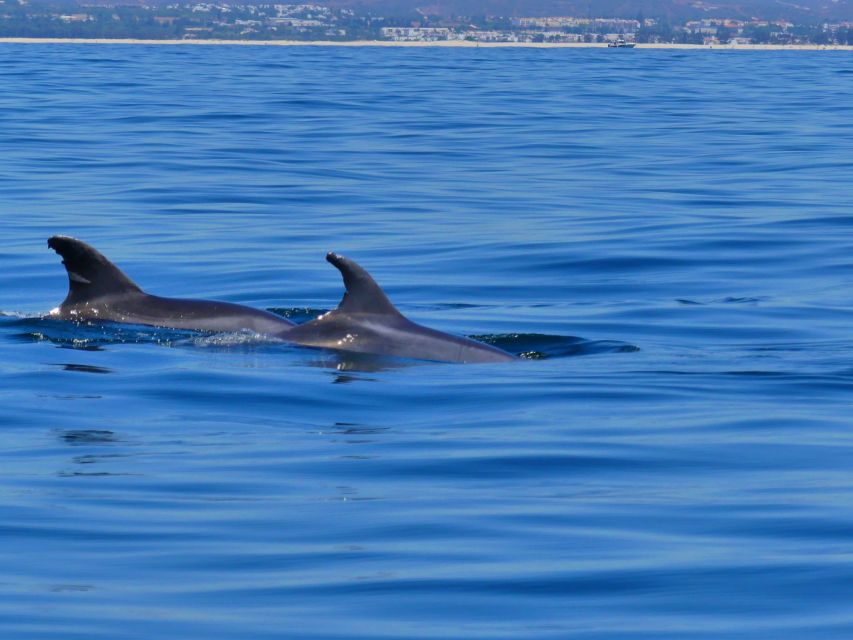
Dolphins live in these waters all year, making them the most realistic wildlife target. The crew may find common dolphins, bottlenose dolphins, or other species. The sightings described range from a few animals to large pods, sometimes numbering around 100 or more.
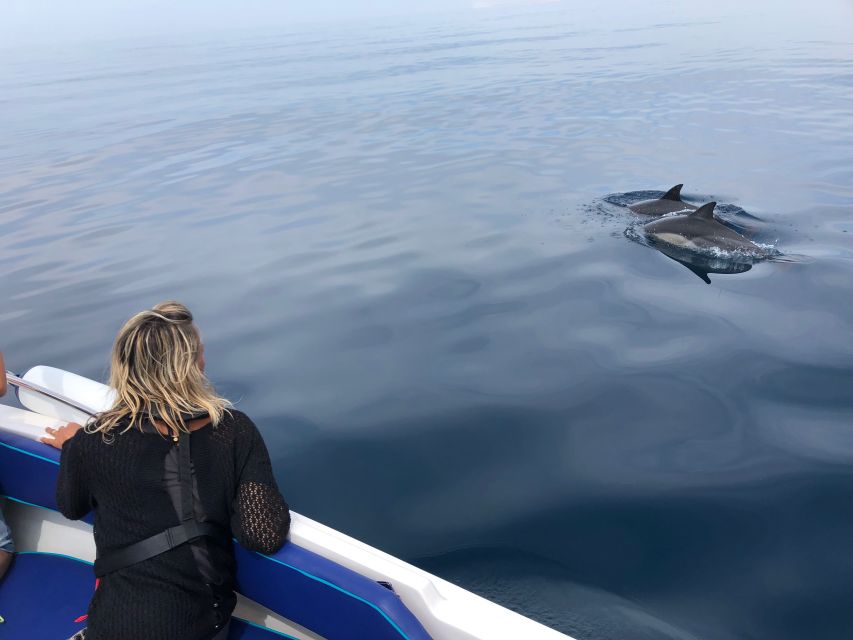
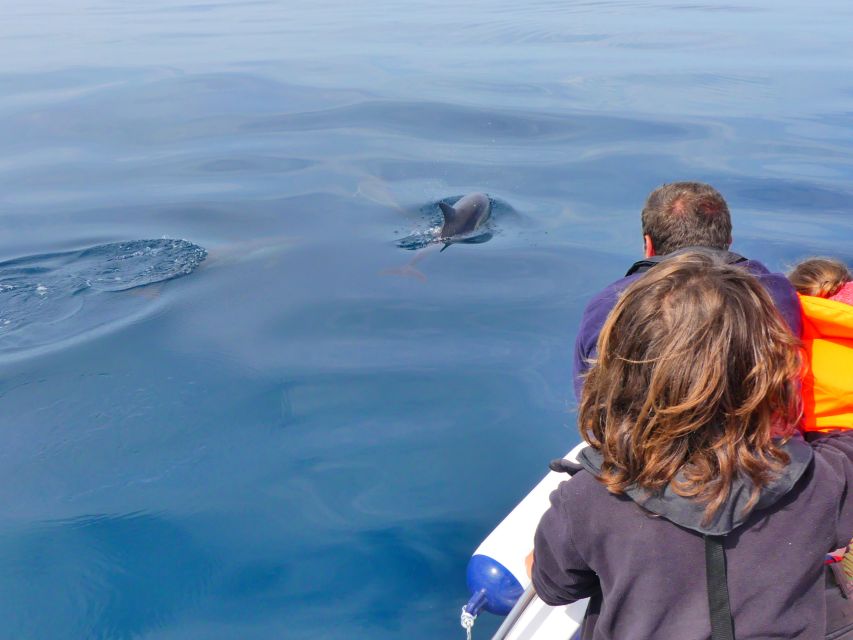
A good encounter may involve dolphins swimming alongside the boat, passing beneath it, jumping, or moving through the wake. The most memorable scenes can be surprisingly quiet: a mother and calf surfacing together, a pod gliding in the same direction, or animals approaching the boat out of curiosity.
The guides do not call dolphins in or feed them. They search, watch, and approach with care. One of the clearest parts of the experience is the limited observation time. Once a group is found, you get about 30 minutes to watch it before moving on. That limit helps reduce pressure on the animals and gives you a focused period for photography and observation.
You should keep your expectations realistic. The operator reports that roughly nine out of ten trips are successful, but there is no 100 percent sighting rate. The ocean does not follow a timetable, and a boat can search carefully without finding a dolphin.
That possibility is not necessarily a wasted trip. The ride through Ria Formosa, the open-water setting, seabirds, and the chance to learn about marine science still form part of the outing. Still, if seeing dolphins is your only reason for booking, accept the risk before paying.
Whales, Orcas, and the Seasonal Question
Whales are most likely between February and May. This period offers the best stated chance to look for larger cetaceans, including fin whales and other species. Sightings can be spectacular, especially when a mother and calf surface together, but they remain chance encounters rather than a promise.
Summer and early autumn can still produce remarkable results. Recorded outings have included Bryde’s whales, fin whales, and even orcas, along with common and bottlenose dolphins. Orcas are an especially unusual possibility, not a standard feature of every departure. A tip from another boat once helped the crew locate an orca group, and the outing was extended so the group could be watched.
That detail tells you two useful things. First, the crew communicates with other boats and pays close attention to animal movements. Second, unusual sightings can disrupt the planned return time. Leave some buffer after the activity if you have a train, restaurant booking, airport transfer, or another tour.
The wildlife list also includes porpoises, ocean sunfish, blue sharks, hammerhead sharks, turtles, tuna, and seabirds. You may see only a few of these, or none. The value is in the range of possible encounters and in having guides who can identify what appears briefly at the surface.
Guides Who Turn Sightings Into Lessons
The marine biologists are the heart of this outing. Names attached to different departures include Miguel, Pedro, Ines, Alfredo, Susanna, Pablo, and others. The exact team varies, but the format remains the same: two marine biologists help scan for animals, explain what you see, and answer questions in English, French, Portuguese, or Spanish.
The guides are not there only to point at fins. They explain dolphin habits, species differences, social behavior, and how scientists collect data on dolphin populations. That extra layer changes the outing from a simple boat ride into a short field lesson.
I especially like the emphasis on how researchers gather information. You learn that watching animals is not only about getting close or taking pictures. Identification, location, group size, behavior, and movement can all contribute to a clearer picture of dolphin populations.
The guides also appear to take the animals’ comfort seriously. Boats keep a respectful distance, and the crew does not encourage touching, feeding, or chasing wildlife. The excitement remains high, but the rules keep it from becoming a noisy pursuit.
The people leading the trip also seem to enjoy the work. Accounts describe guides who remain patient when the search takes time, then become visibly excited when an animal is found. That enthusiasm can make a long wait feel less flat, especially when the crew continues scanning instead of giving up quickly.
More Dolphin Watching in Faro:
- Albufeira: 2.5-Hour Benagil Caves & Dolphin Watching
★ 4.6 · 10,710 reviews - Albufeira: Benagil Caves & Dolphin Watching Speed Boat Tour
★ 4.6 · 6,316 reviews - From Funchal: Ecological Catamaran Dolphin Whale Watching
★ 4.5 · 5,771 reviews - Funchal: Dolphin and Whale Watching Catamaran Cruise
★ 4.5 · 5,697 reviews
Ria Formosa Gives the Trip More Range
Many dolphin trips are judged only by what happens offshore. This one has a useful second act and opening scene in Ria Formosa Natural Park.
The route across the park gives you views of low islands, marshland, and channels before the Atlantic swell begins. Deserta and Culatra provide a strong visual contrast to the open ocean. If the wildlife search is slow, these surroundings help keep the trip from feeling like several hours of staring at blank water.
The return through the protected waters can also be pleasant after the faster offshore section. On one outing, dolphins were seen in the Ria Formosa area near sunset, creating an unexpected wildlife moment on the way back. You should not count on that, but it shows why the return route is more than dead time.
The park also provides context. You can see how the sheltered waters and barrier islands connect to the wider coastal ecosystem. The trip begins and ends in a protected environment, while the middle section places you in the much less predictable Atlantic.
Is $76 a Fair Price?
At $76 per person, this is not the cheapest way to spend a morning or afternoon in Faro. The price includes the guided boat trip, marine biologist guide, and life jacket, but not transport from your hotel.
I think the value is good if you care about both wildlife and interpretation. You are paying for a small team that searches actively, identifies species, explains scientific work, and follows animal-watching rules. A dolphin sighting can be brief, so the information from the guides helps give meaning to what you see.
The price is harder to justify if you want a guaranteed photo opportunity or a calm sightseeing cruise. You may spend much of the trip looking for wildlife, and the boat can be rough. The experience is closer to a marine safari than a scenic harbour cruise.
The free cancellation policy adds some useful flexibility. You can cancel up to 24 hours before departure for a full refund, and the reserve-now, pay-later option lets you hold a place without paying immediately. Check the available starting times because the activity lasts about 2.5 hours and may run longer when wildlife conditions call for it.
How to Get the Most From the Boat
A few simple choices can improve the day:
- Bring a warm jacket, even in sunny weather. Wind over open water can feel cold.
- Pack water and sun cream. Shade may be limited, and the reflection from the sea is strong.
- Take motion sickness precautions if you are sensitive to swell. The ride can be bumpy, particularly outside the harbour.
- Keep your hands and belongings secure during the faster sections.
- Leave extra time after the scheduled return, especially if the crew is following an unusual sighting.
- Bring a camera, but do not spend the whole encounter looking through a screen.
- Listen for instructions about distance and behavior around the animals.
The best mindset is patient and flexible. A whale may appear after a long quiet stretch, while a dolphin pod may surface close to the boat for only a few minutes. You cannot control the wildlife, but you can make the search itself part of the day.
Who Should Book This Faro Wildlife Trip?
I would choose this outing if you enjoy nature, do not need a guaranteed result, and can handle a fast boat in open water. It suits older children who meet the operator’s age requirements, active adults, photographers, and anyone curious about marine biology.
It is less suitable for people with back problems, limited mobility, or a strong dislike of rough water. Pregnant women and children under two should not book. If you prefer a gentle sightseeing cruise with a fixed route, this is the wrong style of boat trip.
Language should be easy for most visitors. Tours are offered in English, French, Portuguese, and Spanish. The shared marine biology background of the guides also means you can ask questions beyond the usual dolphin facts.
Should You Book It?
Book this Faro dolphin tour if you want a respectful wildlife search led by marine biologists, and if you can accept that nature sets the schedule. The strongest reasons to go are the chance of close dolphin encounters, the possibility of whales or rare orcas, and the serious attention given to animal welfare and research.
Skip it if you need certainty, dislike a bumpy ride, or have a tight plan immediately afterward. For everyone else, $76 buys more than a fast trip into the Atlantic. It gives you a chance to see wild animals where they belong, with guides who help you understand the encounter instead of treating it as a quick photo stop.
FAQ
Where does the dolphin tour depart from?
It departs from the Ocean Vibes Algarve office in Faro harbour or marina. Look for the shared store with a banner reading Ocean Emotions.
How long does the activity last?
The advertised duration is 2.5 hours. The trip can run longer if the crew continues watching wildlife or follows an important sighting, so leave spare time afterward.
Are dolphin sightings guaranteed?
No. Dolphins are wild animals, and a 100 percent sighting rate cannot be guaranteed. The stated usual success rate is about nine out of ten tours.
When is whale season?
Whale season is between February and May. Dolphins are resident in the area throughout the year.
What animals might I see?
Possible sightings include dolphins, whales, porpoises, orcas, gannets, shearwaters, ocean sunfish, blue sharks, hammerhead sharks, marine turtles, and tuna.
How long can the boat watch a dolphin group?
After finding a group, the observation period is about 30 minutes. This limit helps reduce stress for the animals.
Is hotel pickup included?
No. You need to make your own way to the Ocean Vibes Algarve meeting point in Faro marina.
Which languages are available?
The live guides speak English, French, Portuguese, and Spanish.
What should I bring?
Bring comfortable clothes, water, sun cream, and a jacket. Wind can make the open-water ride cold, and you may get wet on windy days.
Who should not take this tour?
The activity is not suitable for children under two, pregnant women, people with back problems, or people with mobility impairments. It is also not recommended for anyone with limited mobility.
More Wildlife Watching around Faro
- Sagres: Wildlife Tour Dolphins and Caves
★ 4.7 · 106 reviews - Terceira: Whale & Dolphin Watching | Best Wildlife Tour
★ 4.7 · 55 reviews - Sagres Wildlife Adventure: Dolphin and Whale Watching Tour
★ 4.9 · 43 reviews - From Faro: Wildlife and Dolphin-Watching Speedboat Tour
★ 4.7 · 41 reviews
The newest listings around Faro
- From Faro: Benagil Hiking Cliffs and the 4 Treasure Experience★ 5.0 · 424 reviews
- Highlights & Hidden Gems of Faro Private Tour★ 5.0 · 78 reviews
- Tavira Tuk Tuk Tour – Chocolate Tour – Tavira City & Chocolate★ 5.0 · 63 reviews
- Tuk tuk Tour Tavira Total – 2h00 – Includes Tuna Museum and Fishing Village★ 5.0 · 71 reviews
- Tavira Olive Experience Factory Tour and Tasting★ 5.0 · 190 reviews
- Group Surf Lessons★ 5.0 · 73 reviews
- Tavira City Tuk Tuk Tour – 1h Tavira City Tour★ 5.0 · 100 reviews
- 2 Hours Boat Tour in Ria Formosa★ 4.0 · 42 reviews
Dolphin Watching, compared.
Benagil Caves & Dolphin Watching Speed Boat Tour
Read our review →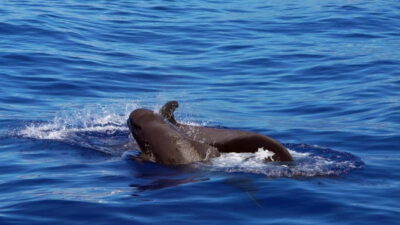
Dolphins Search and Benagil Caves from Albufeira
Read our review →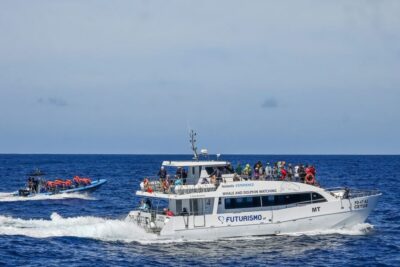
Benagil Caves & Dolphins Watching with Biologist
Read our review →Browse the lists this tour appears in