
Reviewed · SEA CAVE TOURS
Terceira: Algar do Carvão Lava Caves Tour
Terceira’s best volcanic sights are below ground or tucked into the island’s green interior. This half-day trip takes you into the Algar do Carvão lava chimney, across the Guilherme Moniz caldera, and into cave country where iron deposits, silicate stalactites, moss, and even a small underground pond make the island feel wonderfully strange.
I like the hotel pickup and the chance to let a local guide handle Terceira’s narrow rural roads. I also like the guides’ personal touch. Bernardo, Carolina, Dora, and Antonio are often praised for explaining geology in plain language, answering questions about island life, and adjusting the pace for children, motion sickness, or nervous passengers.
The main thing to check before booking is the Algar do Carvão closure. It has been closed since October 19, 2024, with no reopening date given in the supplied information. During the closure, the tour uses a lesser-known lava tube instead, which can be memorable, but it is not the same sight advertised by the original name.
Key points to know before you go
- A rare look inside a volcano: Algar do Carvão is a hollow volcanic chimney with roughly 230 steps down to its lower sections when open.
- The replacement cave can be special: During the Algar closure, the route includes a normally non-public lava tube instead.
- Your guide is part of the experience: Bernardo, Carolina, Dora, Antonio, and other local guides add geology, folklore, plant knowledge, and practical care.
- Cave tickets cost extra: Algar do Carvão costs €10, Gruta do Natal costs €8, and a combination ticket costs €15 per person.
- Expect a flexible half-day: The tour lasts about three to three and a half hours, with pickup and return to your Terceira accommodation.
- Bring sensible clothing: Comfortable shoes and a windbreaker matter in damp, cool cave conditions and exposed volcanic areas.
Entering the Guilherme Moniz volcanic caldera

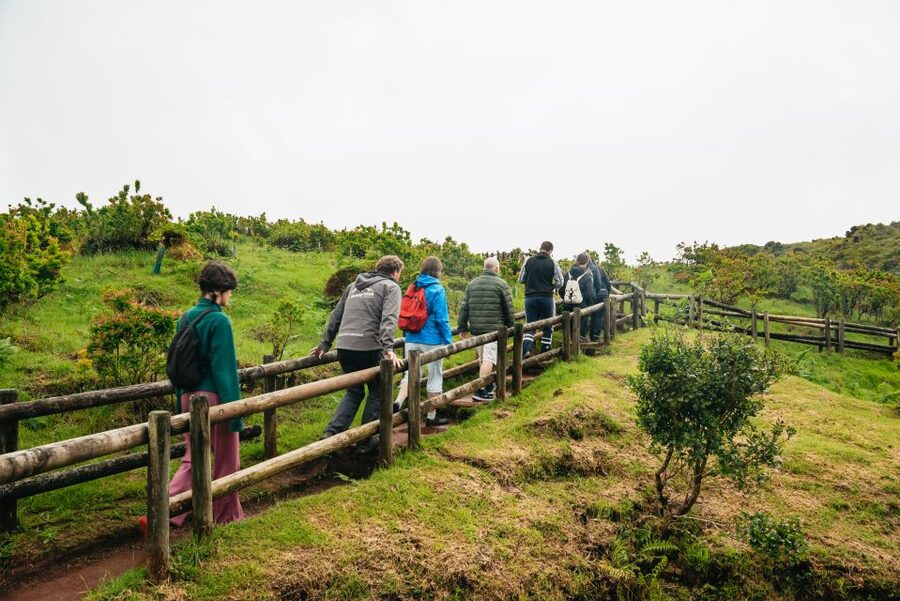
The tour heads about 12 kilometers from Angra do Heroísmo into the caldera of Guilherme Moniz, one of Terceira’s major volcanic areas. You leave the town behind and move through pasture, forest, and roads lined with moss and tall cryptomeria trees.
That drive is not wasted time. It gives you a feel for Terceira beyond its towns and viewpoints. You might pass cattle or goats, see farmland, and stop for a short walk or an unexpected local sight. One guide even paused so the group could watch a bull-running practice event, a small island detail that a standard cave transfer would easily miss.
Transportation is usually in a jeep, Land Rover, or similar vehicle, though some departures use a Mercedes-style passenger van. If you are particular about seating, ask ahead. One vehicle had side-facing rear benches, which a passenger found less comfortable from a safety point of view. People prone to motion sickness should mention it before departure. Guides have adjusted driving and itineraries for this, but a quieter seat is worth requesting.
The small-group feel is one of the tour’s strengths. A private group is available, and larger parties may be split between two guides. That gives you more room to ask questions and makes it easier for the guide to keep an eye on children or anyone uneasy around steep steps and uneven ground.
More Benagil and sea cave trips around Azores:
- Terceira Island: Caves and Craters Tour
★ 4.6 · 169 reviews - Private Caves tour with a Geologist
★ 5.0 · 43 reviews - Cave Tour in Terceira
★ 5.0 · 41 reviews
Algar do Carvão, when the volcano is open
Algar do Carvão is the headline sight. This is not simply a cave with a few lava formations. It is a hollow volcanic chimney formed when an eruption tore through an older lava flow and helped create a Strombolian volcano with two cones.
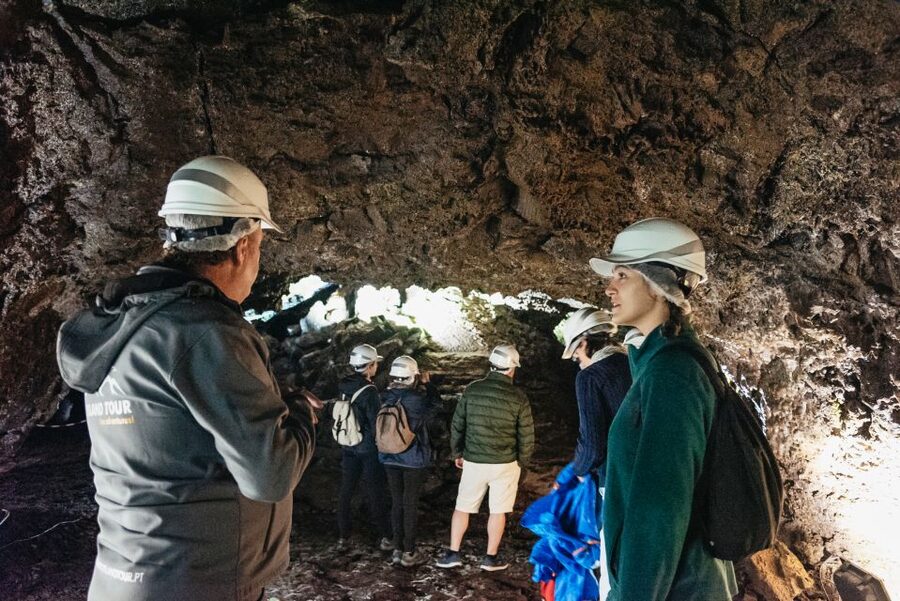
When access is available, you descend into the interior by a long staircase, around 230 steps to the lower viewpoints. The payoff is the view upward through the volcanic opening, where daylight enters from above and the walls show layers and mineral stains. At the bottom, a small pond adds a quiet, reflective detail to an otherwise rugged place.
Look for ferrous deposits, which give parts of the rock reddish and brown tones. Silicate stalactites and other mineral formations show that the cave continued changing long after the eruption ended. The point is not only to look at a dramatic hole in the ground. You are seeing a record of heat, lava flow, cooling, water, and mineral deposits in one compact space.
The conditions are damp, and the footing and stairs require care. Comfortable shoes are essential. A windbreaker is useful too, since cave interiors can feel cool even when Terceira’s weather is mild.
As of the information supplied for this tour, Algar do Carvão has been closed since October 19, 2024, with reopening still uncertain. Confirm the current status before paying for cave admission. If the volcano remains closed, do not expect to enter the famous chimney itself.
The replacement lava tube during the closure
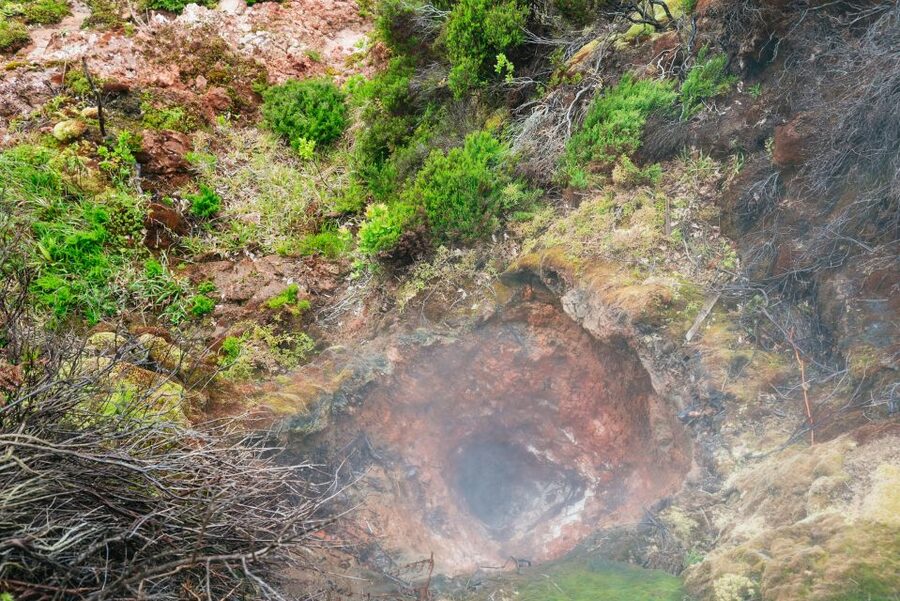
The substitute is a hidden or lesser-known lava tube that is normally not open to the public. This changes the experience from a famous, developed attraction to something more private and rough-edged.
You may need to walk over uneven ground and take more care than at a fully managed cave site. The reward is a stronger sense of discovery. Instead of following a polished route through a major attraction, you are looking at a lava passage in a more natural state.
This option is particularly good for people who care about geology and atmosphere more than a famous name. It also explains why the tour can still be worthwhile during the closure. You will not get the towering interior of Algar do Carvão, but you may see folds, textures, and lava-flow shapes that feel less familiar and more immediate.
The exact substitute route can vary. During the closure period, the outing may also include Furnas do Enxofre and Gruta do Natal, along with a short walk near the lava tube. Ask the operator what is planned for your date. That simple question prevents a mismatch between your expectations and the actual itinerary.
Furnas do Enxofre and smoke from the earth
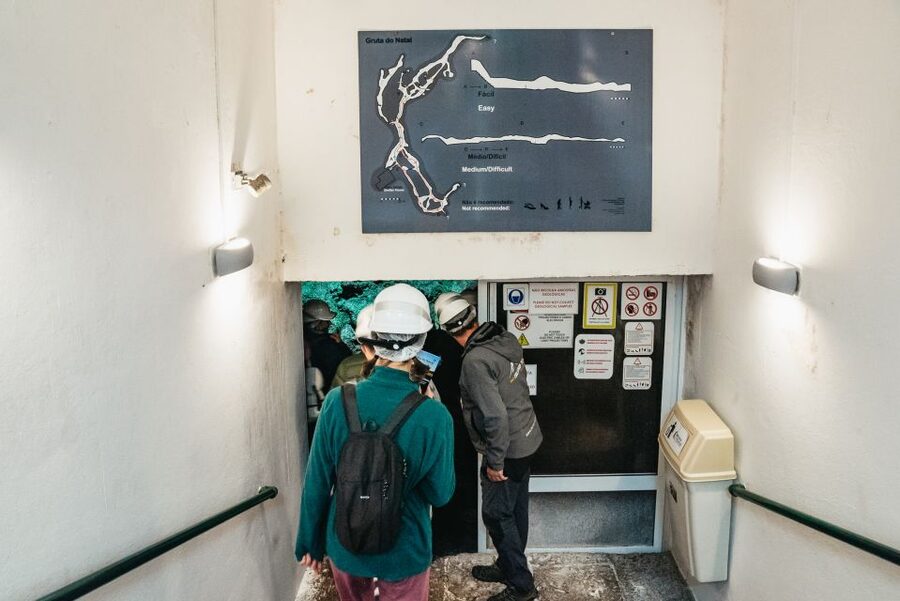
Furnas do Enxofre is a good counterpoint to the caves. Here, the volcanic energy is not locked inside a dark tunnel. It escapes through the ground as steam and gases, reminding you that Terceira’s volcanoes are not just ancient shapes on a map.
The sight is often subtle. You may see smoke drifting from vents in the earth rather than a dramatic eruption. That is part of its charm. The place invites you to imagine the ancient eruptions that formed the island while standing among the living signs of geothermal activity.
A short walk through the area can also reveal Terceira’s plant life. Guides point out moss, molds, small arthropods, and other organisms that thrive in damp volcanic conditions. Birds use the cave areas as shelter, and the contrast between dark rock and thick green growth is one of the tour’s most appealing visual details.
Weather matters here. A rainy or windy afternoon does not automatically ruin the experience, and one guide-led outing continued successfully in heavy rain. Still, bring a windbreaker and shoes that can handle wet paths. The tour is outdoors between cave visits, so you should be ready for changing conditions.
A few more Azores options worth putting side by side
- From Ponta Delgada: Whale and Dolphin Watching Trip
★ 4.7 · 4,109 reviews - Azores Whale Watching & Islet Boat Tour
★ 4.6 · 2,146 reviews - São Miguel West: Full-Day Van Tour with Lunch
★ 4.9 · 1,948 reviews - São Miguel West Full Day Tour with Setes Cidades Including Lunch
★ 5.0 · 1,391 reviews
Gruta do Natal and the story written in lava
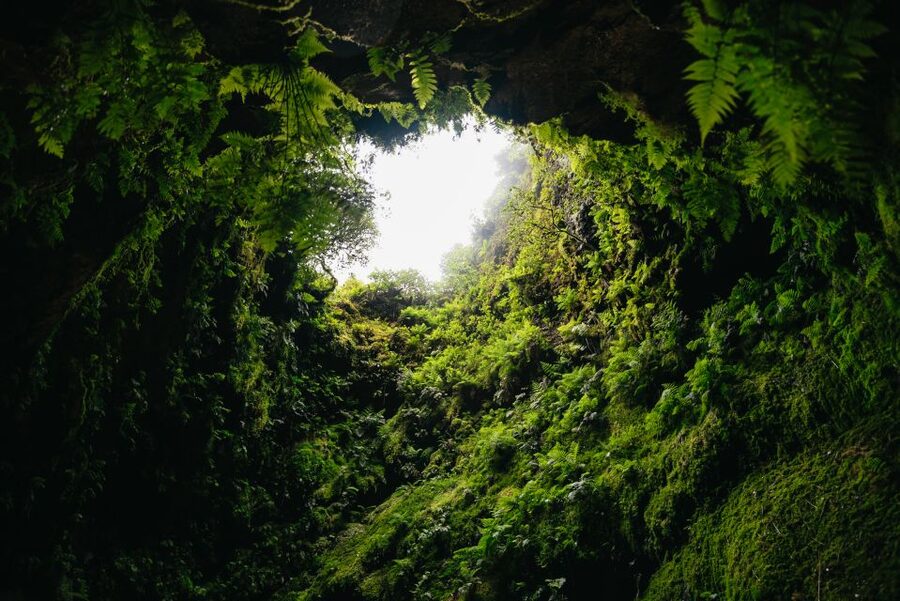
Gruta do Natal gives you another way to understand how lava behaves. Rather than focusing only on a giant volcanic opening, this cave shows the shapes left by flowing and cooling lava.
Your guide explains how lava tubes form, how a hotter current can continue moving beneath a cooling surface, and how the resulting passage preserves the route of an old flow. The details are easier to grasp when you can see the rough walls and changing tunnel shapes in front of you.
The cave visit costs €8, while Algar do Carvão costs €10. If both are open, the combination ticket is €15 per person, so it is the sensible choice for anyone planning to visit both. These entrance fees are not part of the tour price, and this is the most important cost detail to remember.
The tour itself costs $53 per person. That is a fair price if you value hotel pickup, a small group, transport through the island’s interior, and a guide who explains what you are seeing. It is less attractive if you only want admission to one cave and are happy to arrange your own transport.
The value also depends on the guide. Carolina is especially good at mixing geological explanations with small facts about Terceira’s food, customs, and people. Dora has been praised for changing between English and Portuguese and for spending extra time when a site deserves it. Bernardo is known for careful driving, island stories, and patient attention to families. Antonio brings humor and a broad sense of the island beyond the caves.
What the guide adds to the geology
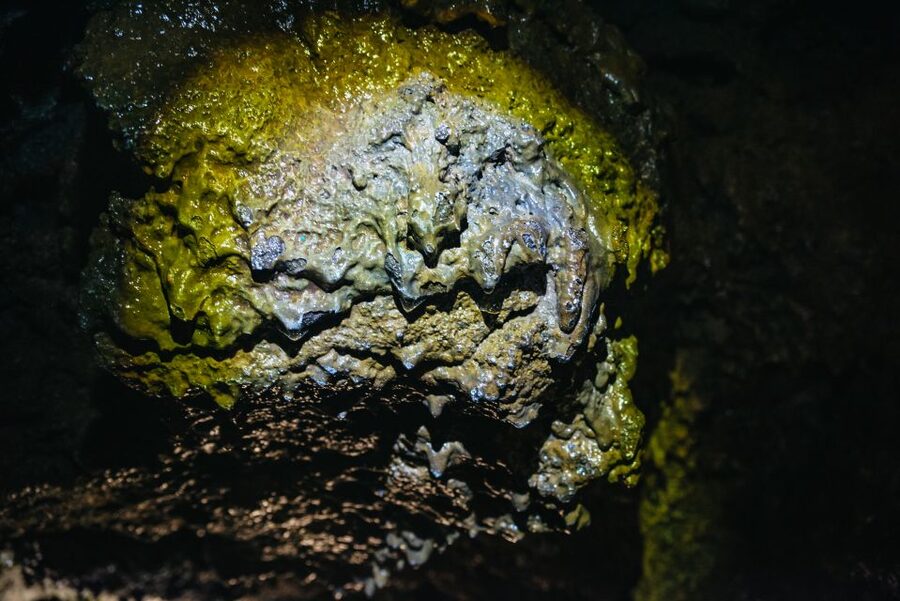
You can visit a cave without a guide and see rock. With a good guide, you begin to understand the sequence behind it: an eruption, a lava flow, cooling, collapse, mineral deposits, and the slow arrival of plants and animals.
That context matters at Algar do Carvão, where the scale can distract you from the science. It matters just as much in a smaller lava tube, where the shapes may seem less obvious at first. A guide can point out a mineral stain, a ceiling texture, or a change in the rock that you might otherwise walk past.
The best guides also connect geology to daily island life. You may hear about local villages, farming, bull-running traditions, native plants, or foods to try later in Angra do Heroísmo. This makes the trip feel less like a single attraction and more like a short introduction to Terceira.
The human side of the guiding is a real strength. Guides have slowed down for anxious passengers, taken extra care with children, and adjusted explanations for mixed-language groups. One family appreciated that the guide entertained an eight-year-old while still giving the adults useful information. That kind of flexibility is difficult to get on a large coach excursion.
Timing, comfort, and who should book
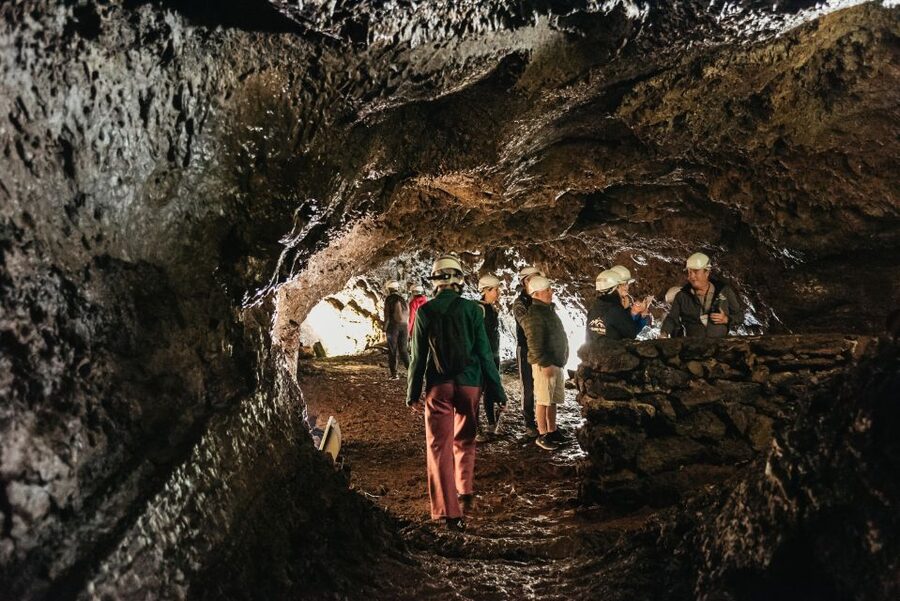
The outing lasts roughly three to three and a half hours. That is enough time to see several volcanic sites without turning the day into an all-day expedition. You still have time afterward for Angra do Heroísmo, a meal, or another short walk.
I would book this early in a Terceira stay if you want help understanding the island’s volcanic center. The tour gives you a useful base for later independent visits, since you learn where the caldera, fumaroles, and cave systems fit together.
This is a good choice for:
- First-time visitors who want several volcanic sights in one outing
- People who do not want to drive unfamiliar rural roads
- Families who benefit from a flexible guide
- Couples or small groups who prefer a personal excursion
- Anyone interested in geology, caves, plants, or island traditions
It is less suitable if you dislike enclosed spaces, steep stairs, damp conditions, or uneven paths. Algar do Carvão requires a substantial stair descent when open, and the replacement lava tube may feel more rustic. Ask about the current route if you have mobility concerns, since the supplied information does not give an accessibility rating.
The tour is offered in English, Portuguese, and Spanish. Private groups are available, which is useful if you want more control over pace, stops, and conversation.
The most important booking question
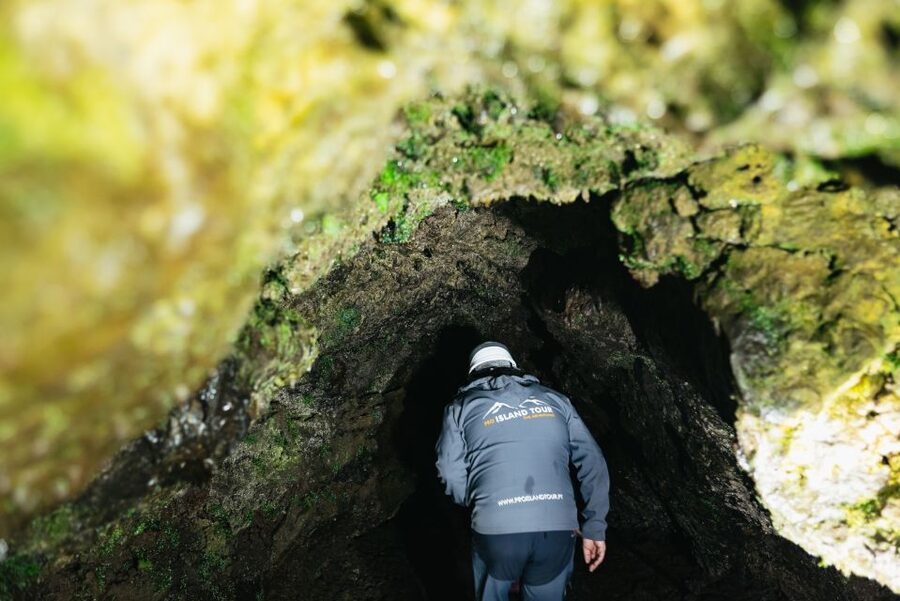
Before reserving, ask one direct question: Will Algar do Carvão be open on my date, and exactly which cave will we visit?
The supplied information gives a closure date of October 19, 2024, but no reopening date. It also says the replacement is a hidden lava tube. Since the attraction’s status may change, confirm the plan close to your visit.
If Algar do Carvão is open and you have never seen a volcanic chimney from inside, the tour is an easy recommendation. The combination of the deep cave, the pond, mineral formations, fumaroles, and Gruta do Natal gives you a strong half-day look at Terceira’s volcanic character.
If Algar is still closed, book only if the substitute route appeals to you. You may get a more unusual cave experience, but you should not pay expecting the famous hollow volcano. The $53 price remains reasonable for transport and guiding, especially if you are staying in Angra do Heroísmo and do not have a car.
Should you book the Terceira lava caves tour?
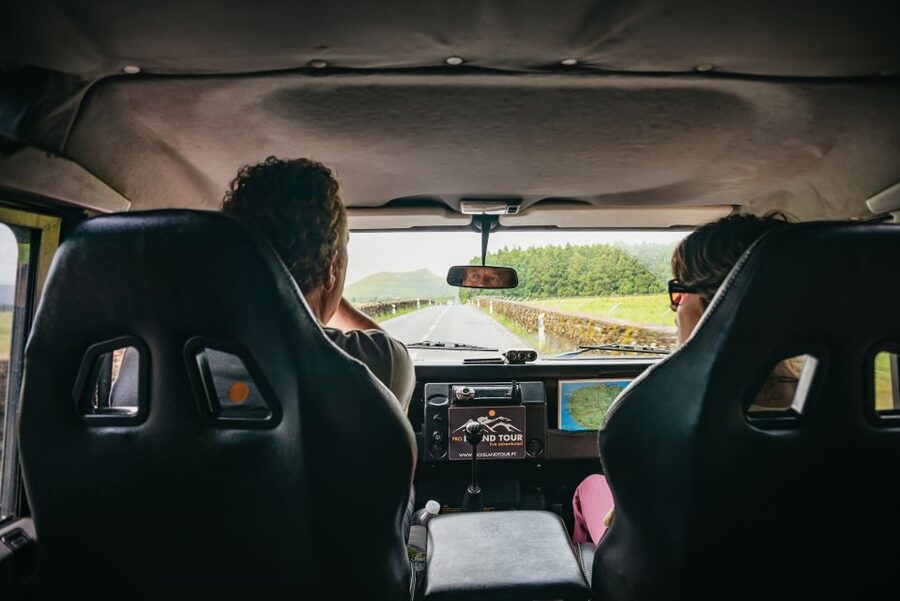
I would book it if you want more than a quick photo stop and prefer to understand what you are seeing. The guides are the main reason this works so well. Carolina, Dora, Bernardo, Antonio, and the wider team bring warmth, humor, local stories, and clear explanations to places that could otherwise blur together.
Check the Algar do Carvão closure first, budget €8 to €15 for cave admission depending on the sites open, and wear proper shoes. If those conditions suit you, this is one of the better half-day ways to meet Terceira’s volcanic interior.
FAQ
How long does the tour last?
The tour lasts about three to three and a half hours.
What is included in the price?
Hotel or accommodation pickup and drop-off are included. A live guide is also provided.
Are cave entrance fees included?
No. Algar do Carvão costs €10, Gruta do Natal costs €8, and a combination ticket for both costs €15 per person.
Is Algar do Carvão currently open?
The supplied information says Algar do Carvão closed on October 19, 2024, with no reopening date given. Confirm its status before booking.
What happens if Algar do Carvão is closed?
During the closure, the tour uses a hidden or lesser-known lava tube as a replacement. The itinerary may also include Furnas do Enxofre and Gruta do Natal.
What languages are available?
The tour is offered in English, Portuguese, and Spanish.
Is hotel pickup available?
Yes. Pickup and return are available from your hotel or accommodation in Terceira.
What should I bring?
Bring comfortable shoes and a windbreaker. Cave areas can be damp, and outdoor stops may be windy or wet.
Can I book a private group?
Yes. A private group option is available.
The newest listings around Azores
- Full-Day Private Tour of Faial★ 5.0 · 40 reviews
- Faial Island: Half Day Tour★ 5.0 · 99 reviews
- Faial Island: Full Day Tour – Nature and Local Culture★ 5.0 · 213 reviews
- Wines and Moonshines of Terceira★ 5.0 · 55 reviews
- UNDERGROUNDTOUR (Full Day Private Tour)★ 5.0 · 52 reviews
- PHOTO TOUR (Full Day Private Tour- Sunrise to sunset)★ 5.0 · 68 reviews
- Terceira Island: Full Day Tour★ 5.0 · 63 reviews
- Private Terceira Island Full Day Tour★ 5.0 · 250 reviews
Sea Cave Tours, compared.
Benagil Caves Speed Boat Tour with Sunset Option
Read our review →
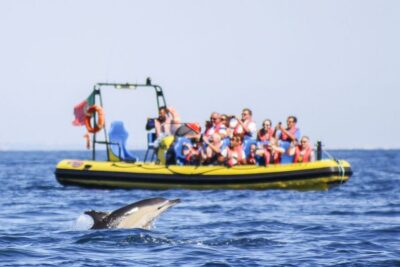
Benagil Caves & Dolphin Watching Speed Boat Tour
Read our review →
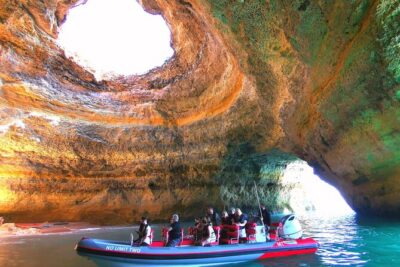
Dolphins Search and Benagil Caves from Albufeira
Read our review →
Coastline and Benagil Caves Tour by Catamaran
Read our review →
Benagil Caves & Dolphins Watching with Biologist
Read our review →Browse the lists this tour appears in