

Reviewed · PORT WINE CELLAR TOURS
Port Wine class with 3 or 5 Port tasting and pairings
The most useful thing about this Port wine class is its setting: you get a focused introduction to Porto’s signature drink without spending half a day crossing the river to visit a cellar. The shop sits across from Palácio da Bolsa, right in the middle of the city, and the small room keeps the tasting personal.
I like the clear range of styles, from white Port to Tawny, Ruby Reserve, and Late Bottled Vintage, and I like the Portuguese snacks served with each pour. Hosts such as Rui, Ruan, João, and José have a reputation for mixing solid wine instruction with humor and warmth. The main consideration is that this is held in a shop room, not a historic cellar, and the seating may be benches rather than comfortable chairs.
Key points to know before booking

- Five styles give you the clearest comparison: The longer option includes two white Ports, Tawny, Ruby Reserve, and Late Bottled Vintage.
- The class stays small: Groups are limited to 10 people, so questions are part of the session rather than an interruption.
- The location saves time: You meet across from Palácio da Bolsa in Porto’s city center.
- Pairings are part of the lesson: Expect olives, fruit, chocolate, cheese, and brownie alongside the pours.
- The five-Port option is better for wine-curious visitors: The three-Port class lasts about 45 minutes, while the five-Port version takes about 75 minutes.
- The host shapes the experience: Guides including Rui, Ruan, João, and José bring humor, stories, and practical explanations.
Why this central Porto tasting works so well

Port is closely tied to Porto, but understanding the drink can take more than ordering a glass beside the Douro. A cellar visit in Vila Nova de Gaia is worthwhile, yet it can take extra planning and time. This class gives you the basics while keeping you close to Porto’s main sights.
You meet at a shop directly across from Palácio da Bolsa, one of the city’s most recognizable buildings. Check in at the tourist office in the same building, then follow the staff to the tasting room. One useful tip: you are looking for a shop and tourist office, not a traditional wine cellar, so the storefront may be easier to recognize than the tasting room itself.
The location makes this a handy activity between sightseeing stops. You can visit Palácio da Bolsa, walk toward the Ribeira district, or explore the nearby streets before or after the tasting. There is no transport included, so you simply arrive at the meeting point on foot.
More Wine Tours in Porto
- Porto: Live Fado Show with Glass of Port Wine
★ 4.8 · 6,498 reviews - Porto: Cálem Cellar Tour, Interactive Museum & Wine Tasting
★ 4.5 · 4,113 reviews - Porto: Cálem Cellar Tour, Fado Show & Wine Tasting
★ 4.4 · 3,530 reviews
The opening lesson: how Port came to be
The session begins with the story of Port wine. Your host explains how it was invented, why it developed, and how the drink changed over time. The goal is not to bury you in technical terms. It is to give you enough background to understand why different Ports look, smell, and taste so different.
This introduction also covers how Port is made, where the grapes are grown, and how the various styles are produced. Several hosts have been praised for explaining these points in plain English, with enough detail for beginners but room for follow-up questions.
That small-group format matters. With no more than 10 people, you can ask why one Port is lighter, sweeter, darker, or more suited to a particular snack. If only a few people book a time slot, the experience can become nearly private. Some sessions have had just two to four participants, while others have placed a group around a shared table.
The tone is informal. Hosts such as Rui and Ruan are known for using jokes and conversation to keep the lesson moving. João and José have also led sessions praised for clear explanations and an easy manner. The guide is not just pouring wine and reading notes. You get a person who can respond to your questions and adjust the pace.
Three Ports in about 45 minutes
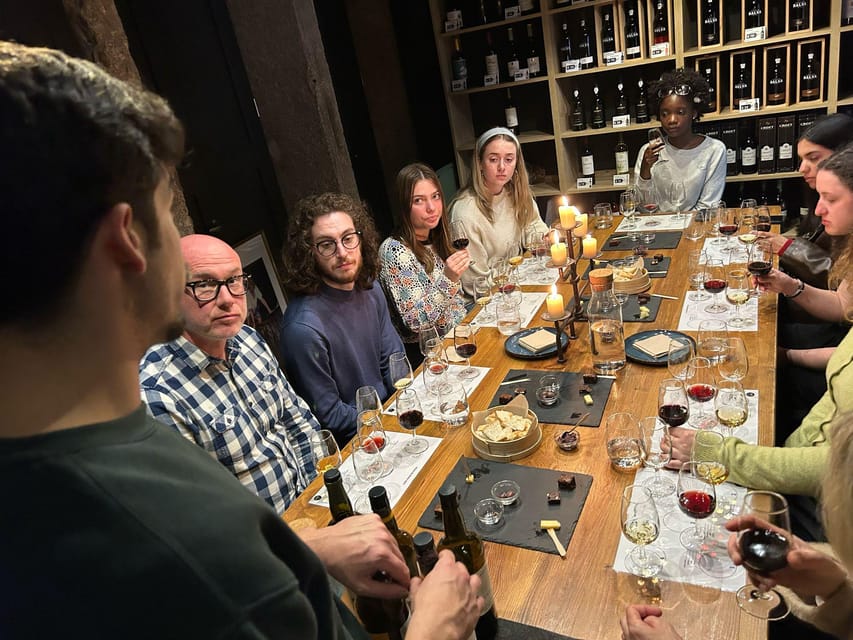
The three-Port option is the shorter choice, lasting around 45 minutes. It suits you if you want a compact introduction before dinner or if your Porto schedule is packed with churches, viewpoints, and river walks.
You still get a proper lesson and food pairings, but the shorter format gives you less time to compare styles. It is enough to learn the broad differences and decide which Port you like best. If you already know little about fortified wine, this option offers a useful starting point without asking you to commit to a longer tasting.
The tradeoff is simple: three glasses provide less range than five. One person who chose the shorter tasting later wished they had selected the five-Port version. That is a fair warning for anyone who enjoys comparing wines or wants a stronger basis for ordering Port during the rest of the trip.
The portions have been described as generous, though exact pours can vary. You should treat the session as a tasting, not a full meal, even though the snacks are more substantial than a token cracker.
Five Ports and a fuller comparison
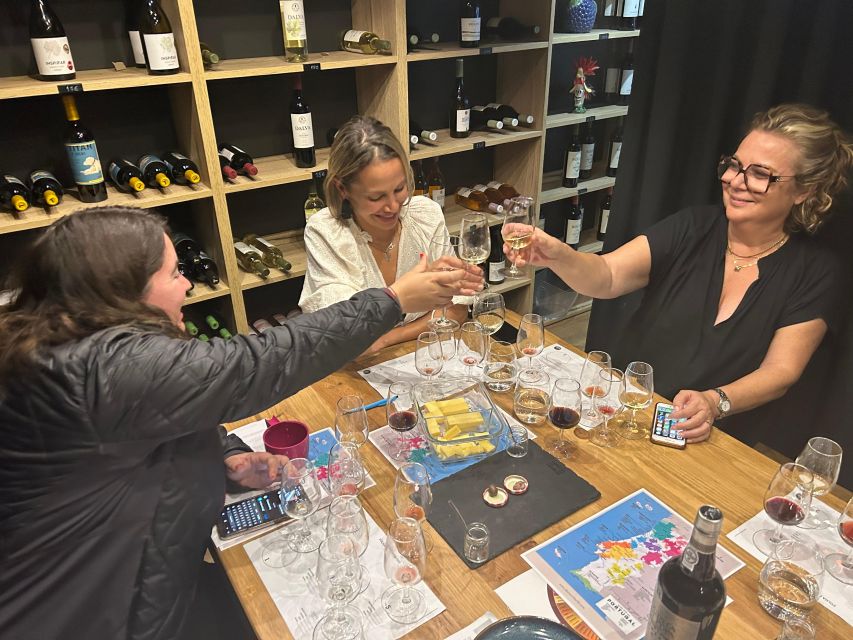
The five-Port option lasts about 75 minutes, though questions can stretch the session toward 90 minutes. It is the better pick if Port is one of the reasons you came to Porto, or if you want to leave with a clear sense of the main styles.
The listed five pours are:
- Two White Ports
- One Tawny Port
- One Ruby Reserve Port
- One Late Bottled Vintage Port
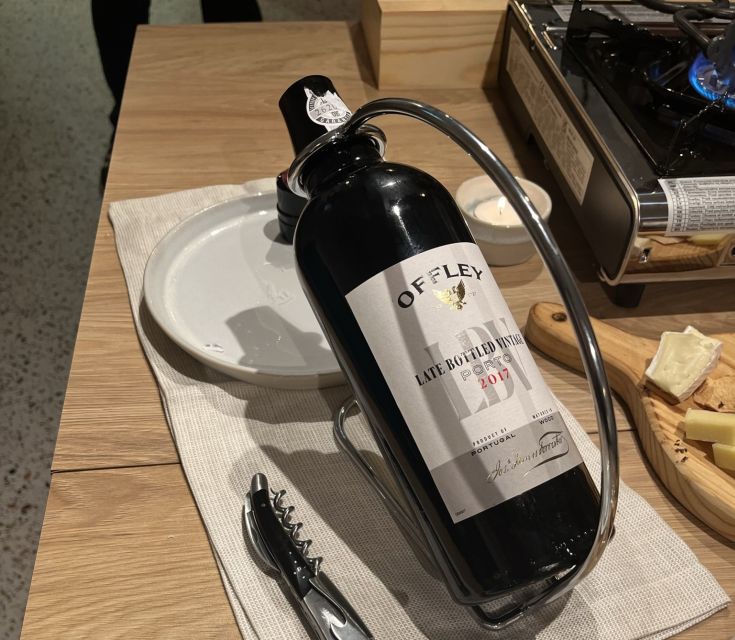
Tasting two white Ports is especially useful because it lets you compare examples within the same broad category rather than moving immediately from one style to another. The Tawny, Ruby Reserve, and Late Bottled Vintage then give you a wider range of color, texture, and flavor.
Your host explains each sample as it arrives, including how it is made and what to notice. This makes the order of the tasting useful. You are not simply handed five glasses and left to guess what separates them.
The longer option also gives you more time to talk. Sessions often become social, with people from different countries sharing impressions around the table. Solo visitors are not at a disadvantage. The group is small, and the guide makes an effort to involve everyone in the conversation.
If you want to take your time, ask questions, and compare the styles properly, I would spend the extra money on five Ports. At $23 per person, the price is modest for a central Porto activity that includes wine, snacks, instruction, and a small group.
More port lodges and cellar tastings:
- Porto: Taylor’s Port Cellars & Tasting
★ 4.6 · 3,374 reviews - Porto: Cockburn’s Port Lodge Tour and Tasting
★ 4.8 · 3,360 reviews - Porto: Bridges Cruise with Wine Cellar Tour or Sunset Option
★ 4.1 · 2,758 reviews - Porto: Authentic Fado Show, Port Wine & Handmade Instruments
★ 4.8 · 2,737 reviews
Portuguese snacks that make the wine easier to understand

The pairings include olives, fruit, chocolate, cheese, and brownie. These are not just decorations on the table. They help you see how the same Port can change when tasted with something salty, creamy, fresh, or sweet.
Cheese and chocolate are natural partners for fuller, sweeter Ports. Fruit gives you a lighter contrast, while olives bring salt and a savory edge. The brownie provides a final sweet pairing and has been singled out as part of the generous snack selection.
The pairings also make the class more approachable if you are new to Port. Wine tasting can feel formal when you are asked to focus only on aroma and finish. A small bite gives you a clear reference point and makes the experience feel more like a relaxed afternoon with food.
This is still a tasting rather than lunch. You should not arrive expecting a full Portuguese meal. If you need a proper meal afterward, Porto’s central restaurants are close by.
A friendly host makes the difference
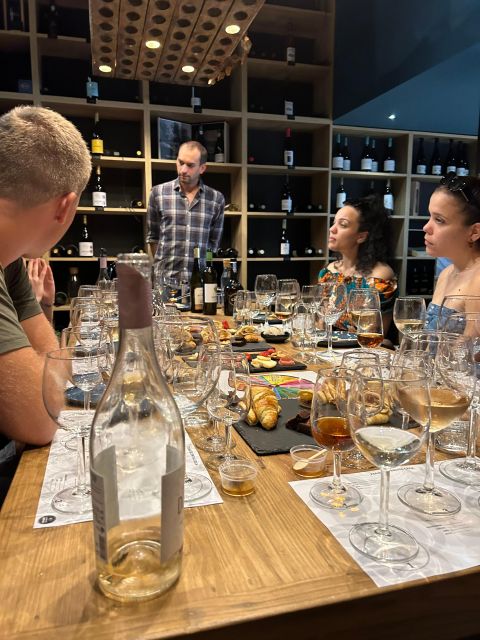
The strongest feature of this experience is the person leading it. The hosts are repeatedly described as warm, funny, and well informed about Port and Porto. Rui has been praised for turning the class into a lively conversation, while Ruan has a reputation for mixing entertaining stories with useful wine information.
João has led sessions that were clear and professional, with careful explanations of Port’s history and production. José has also been singled out for his friendly approach and strong grasp of the subject. The names on the schedule may vary, so you should not book expecting one particular guide unless the provider confirms it.
Some sessions have included an unexpected musical finish, with the host playing guitar and singing. One host even used humor and a surprise ending to close the class. These extras appear to depend on the person leading the session, so treat them as a possible bonus rather than part of the guaranteed itinerary.
The informal style will suit most people. If you want a silent, highly formal sommelier lesson, this may feel too playful. If you prefer a class where questions, jokes, and conversation are welcome, the format works well.
What the room is like

This is held inside a shop in Porto’s city center, in a room in the same building as the tourist office. It is not a traditional wine cellar. That matters because the atmosphere is practical and intimate rather than historic or atmospheric.
The room has been described as clean and prepared for the tasting. Air conditioning can be a welcome break on a sunny afternoon. The table setup encourages conversation, though seating may include long benches. One person found chairs would have been more comfortable, which is worth knowing if you have trouble sitting on a bench for an hour or more.
The small room is also part of the appeal. You are close enough to hear the host clearly and speak with the people beside you. A large commercial tasting can feel anonymous. Here, the maximum group size is 10, and the actual group may be smaller.
The space is wheelchair accessible according to the activity details. English is the stated language, and the host or greeter provides assistance in English.
Is $23 good value in Porto?

At $23 per person, this is a strong-value introduction to Port, especially if you choose the five-sample option. You are paying for instruction, five wines, food pairings, and a small group in a central location. The price is also easy to justify if you do not have time for a separate visit to the cellars across the river.
The three-Port option is better for a quick taste, but the five-Port version offers more educational value. You get two white Ports plus Tawny, Ruby Reserve, and Late Bottled Vintage, which gives you a much broader picture of the category.
The value is less about the quantity of wine than about the explanation. Without guidance, it is easy to taste several sweet wines and remember only that some were darker than others. Here, the host connects each glass to production, history, and food.
I would not choose this as a replacement for a full Douro Valley excursion. It does not take you into the wine-growing region, and it does not include transport or a vineyard visit. Think of it as a compact city-center lesson that can prepare you for later wine tasting.
Who should book the class?
This experience suits first-time Porto visitors who want a clear introduction to the city’s best-known drink. It is also useful if you have already visited the main sights and want something relaxed during the afternoon.
Solo visitors should feel comfortable booking. The small group gives you a natural chance to talk with other people, and the hosts make a point of keeping everyone involved. Couples and friends will appreciate the informal setting, while wine beginners will benefit from the direct comparisons.
The class is less suitable if you want a cellar tour, vineyard scenery, or a full meal. It also may not be the best choice if you dislike group activities, though the 10-person limit keeps the gathering small.
For most people, I would choose five Ports. The extra time is modest, the price remains reasonable, and the additional styles make the lesson far more useful.
Practical details before you go
The activity lasts from about one hour to 90 minutes, depending on whether you choose three or five Ports and how many questions the group asks. The three-Port session takes around 45 minutes. The five-Port session generally lasts about 75 minutes.
You meet at the provider’s shop in front of Palácio da Bolsa. Check in at the tourist office in the same building. If you are searching for a cellar entrance, you may walk past the correct place, so use the shop and tourist office as your landmarks.
The class is offered in English and is limited to 10 participants. You can cancel up to 24 hours in advance for a full refund, and the reserve-now, pay-later option keeps your plans flexible. Starting times vary, so check availability for your date.
Should you book this Port tasting?
Book it if you want a friendly, central, good-value lesson with several Port styles and simple Portuguese pairings. The five-Port option is the strongest choice for most people, especially if you are curious about the differences between White, Tawny, Ruby Reserve, and Late Bottled Vintage Port.
Skip it if your priority is a historic cellar, a vineyard setting, or a full-day wine trip into the Douro Valley. For everyone else, this is an efficient way to understand Port before ordering more of it around Porto, with enough humor and human warmth to keep the lesson from feeling like school.
FAQ
Where does the Port wine class take place?
It takes place in a shop in Porto city center, directly across from Palácio da Bolsa. The tasting room is in the same building as the tourist office.
Is the class held in a Port wine cellar?
No. The experience takes place in a room inside the shop, not in a traditional wine cellar.
How many people can join the class?
The group is limited to 10 participants. Some scheduled sessions may be smaller.
How long does the three-Port tasting last?
The three-Port option takes around 45 minutes, depending on the group’s questions.
How long does the five-Port tasting last?
The five-Port option takes about 75 minutes and may run toward 90 minutes if the group has many questions.
Which Ports are included in the five-Port option?
The five-Port tasting includes two White Ports, one Tawny Port, one Ruby Reserve Port, and one Late Bottled Vintage Port.
What food is served with the Port?
The tasting is paired with olives, fruit, chocolate, cheese, and brownie.
Is the activity available in English?
Yes. The host or greeter and the class are provided in English.
Is the experience wheelchair accessible?
Yes. The activity details state that the experience is wheelchair accessible.
Can I cancel for a full refund?
Yes. You can cancel up to 24 hours in advance for a full refund.
More Food and Drink in Porto
- Porto Food & Wine Tasting Tour with Lunch or Dinner Option
★ 5.0 · 2,303 reviews - Porto Craft Beer Tour: 7 Beers + 3 Food Pairings in a Small Group
★ 5.0 · 1,725 reviews - Porto: Douro River Boat Cruise with Port Wine Tasting
★ 4.8 · 1,627 reviews - Porto: Wine Tasting with Tapas Walking Tour
★ 4.4 · 1,541 reviews
The newest listings around Porto
- Canyoning Tour From Porto★ 5.0 · 79 reviews
- Porto: Tuk tuk Tours with Port Wine Tasting★ 4.5 · 65 reviews
- The Beautiful Story of Porto: Guided Tour with Entry Tickets★ 4.8 · 111 reviews
- Porto: Small Group Surfing Experience with Transportation★ 4.9 · 40 reviews
- Porto: Royal Oporto Tour na Real Companhia Velha★ 4.8 · 395 reviews
- Porto: WOW Daily Ticket★ 4.7 · 42 reviews
- Porto: 6 Bridges Port Wine River Cruise with 4 Tastings★ 4.8 · 182 reviews
- Porto Wine Tasting Experience with Portuguese Tapas Plate★ 4.7 · 356 reviews
Port Wine Cellar Tours, compared.
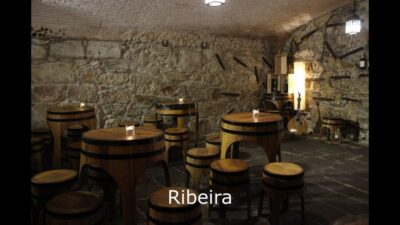
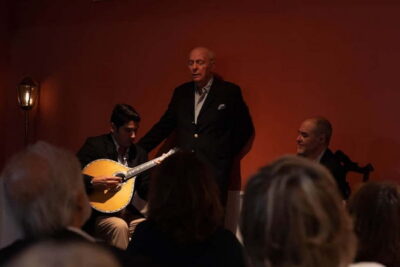
Live Fado Show with Port Wine in Historic Center
Read our review →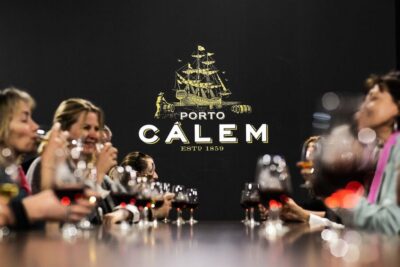
Cálem Cellar Tour, Interactive Museum & Wine Tasting
Read our review →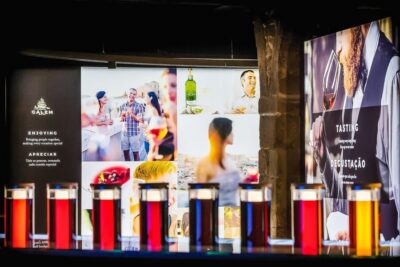
Bridges Cruise with Wine Cellar Tour or Sunset Option
Read our review →
Authentic Fado Show, Port Wine & Handmade Instruments
Read our review →Browse the lists this tour appears in