

Reviewed · HORSES
Lisbon: Morning of Equestrian Art with Lusitano Horses
The main draw here is simple: you get to watch Pure Blood Lusitano horses work through the training that prepares them for the Portuguese School of Equestrian Art’s gala performances. The setting, riders in period costume, and courtly music give the morning an 18th-century feel without turning it into a theme-park show.
I like two things in particular. First, you can see the horses in a working environment, including their care and warm-up. Second, the $17 price gives you access to both the Nora Patio and Henrique Calado Riding Ring, plus an audio guide. The main consideration is pace: the activity can last up to two hours, and the training exercises repeat, so it suits horse lovers more than anyone seeking a fast sightseeing stop.
Key points at a glance
- Watch Lusitanos from the Alter Real Stud Farm during daily training and preparation.
- See riders in period costume perform exercises linked to the Portuguese School of Equestrian Art.
- Visit the Nora Patio and Henrique Calado Riding Ring, two different settings with different photography rules.
- Use an audio guide in English, French, or Portuguese, but bring your own headphones.
- Aim for 11:00 to 12:30, the best window within the activity’s 11:00 to 13:00 schedule.
- Expect a quiet, horse-focused morning, not a full gala performance with a large stage production.
Why the Lusitano horses are the real attraction

This experience gives you a look at a very particular Portuguese tradition. The horses come from the Alter Real Stud Farm, and the training is linked to the Portuguese School of Equestrian Art. You are not simply looking at horses in a stable. You are watching the early work behind a demanding classical riding program.
The Lusitano is a Portuguese breed known for its athletic movement, responsiveness, and controlled presence. This activity does not promise a full explanation of the breed’s development, so you should use the audio guide to add context as you move through the site. The horses themselves remain the focus.
The riders work at a measured pace. They warm up the horses and perform resourcefulness exercises designed around each animal’s rhythm, health, and physical needs. That detail matters. You will see training presented as a partnership, rather than a sequence of tricks forced out for an audience.
I especially like that the program shows preparation. A gala performance can look effortless, but the routine behind it depends on repetition, careful handling, and attention to the horse’s condition. This morning visit lets you see part of that process.
More horse riding in Lisbon:
- Lisbon: Portuguese Riding School Trainig with Lusitano Horse
★ 4.4 · 50 reviews - Algarve: 1-Hour Carrapateira Horseback Riding Tour
★ 5.0 · 295 reviews - From Albufeira: Horse Riding Tour with Pickup
★ 4.7 · 202 reviews
Starting in the Nora Patio

The Nora Patio is an important first stop because it offers a more open look at the school and its horses. Here, you can watch elements of the warm-up and see handlers caring for the animals. It is the less formal part of the visit, and that can make it feel more personal.
This is also the area where photography and video are allowed, provided you do not use flash. Keep your camera ready here if you want a few records of the horses, riders, or setting. Once you move into the Henrique Calado Riding Ring, photography is not allowed.
Pay attention to the handlers. The care routine is not filler before the main event. It shows how the horses are prepared and managed before more demanding exercises. You might find that this part is especially useful if you are interested in stable work, animal care, and the daily discipline behind equestrian performance.
The audio guide can help explain what you are seeing, but the experience does not include headphones. Bring your own pair and a charged smartphone. You also need internet access, since the separate instructions for accessing and downloading the ticket and audio guide are sent after booking.
Watching the warm-up at Henrique Calado Riding Ring
The Henrique Calado Riding Ring provides the more formal viewing area. Riders in period costume work through warm-up movements and exercises, often accompanied by period music. The music helps create the atmosphere of an 18th-century court, while the actual activity remains a working training session.
You should not expect every moment to be dramatic. Much of the value is in noticing small changes in posture, balance, direction, and response. A horse may repeat an exercise several times, and the rider may spend time preparing before attempting a more complex movement.
That repetition is also the chief drawback. If you have little interest in horses, two hours of training may feel slow. One person left early after finding the pre-training and formal training too similar. I would take that as useful advice: this is not the right pick if you want constant action or a short photo stop.
For someone who enjoys equestrian technique, the slower pace works in its favor. You can watch how the rider communicates with the horse and how exercises build toward the higher-level choreography used in gala shows. The program is less about spectacle than about control, timing, and trust.
Period dress, music, and the 18th-century court atmosphere

The costumes and music give the visit its cultural shape. Riders dress in period clothing, and the selected music recalls the court of the 18th century. These elements explain why the Portuguese School of Equestrian Art is more than a modern riding lesson.
The atmosphere is restrained. You will not find a loud presentation packed with commentary at every step. Instead, the horses move through rehearsals while the historic setting and music supply the mood. The audio guide is useful here because it gives you something to follow while the exercises take place.
I like this combination because it connects the horses to Portuguese cultural heritage without hiding the work involved. The riders are not simply acting out a historical scene. They are training animals for difficult movements while dressed in the style associated with the school’s tradition.
Still, keep your expectations in check. The activity includes training and rehearsals, not a promise of the complete gala show. You may see complex exercises and choreographies, but the morning is designed as a behind-the-scenes visit.
More early starts in Lisbon:
- Sailboat Tour in Lisbon with drinks included | Morning and Sunset
★ 4.5 · 867 reviews - Lisbon: Tagus River Cruise, Morning, Day, Sunset, or Night
★ 4.9 · 640 reviews - Lisbon: Early Morning TukTuk Tour – hotel/cruise ship pickup
★ 4.9 · 45 reviews - Funchal: Pico do Arieiro Sunrise Transfer Self-guided Hike
★ 4.9 · 2,798 reviews
What your morning looks like from 11:00 to 13:00

The listed activity window runs from 11:00 to 13:00, but 11:00 to 12:30 is considered the best time to visit. I would plan to arrive at the beginning rather than treating the two-hour period as a flexible arrival window.
The opening portion can include access through the reception area, orientation, and time in the Nora Patio. You can see the handlers at work, observe the horses before formal exercises, and use the audio guide to understand the setting.
The program then moves into the riding ring, where you watch warm-ups, exercises, and rehearsals. The exact rhythm may depend on the horses and the training schedule. That is part of the point: this is a functioning equestrian school, not a performance built around a fixed sequence for every arrival.
Allow the full morning if you want to watch carefully. If you have a packed Lisbon schedule, you may prefer to stay for the first 90 minutes, since that is identified as the best viewing period. Do not assume you can photograph inside the ring, as photography is not permitted there.
Is $17 a fair price?

At $17 per person, this is a reasonably priced cultural activity, especially for anyone who already has an interest in horses or Portuguese riding traditions. The entry includes access to the Portuguese School of Equestrian Art, daily Lusitano training from the Alter Real Stud Farm, and an audio guide.
The value is strongest because you are seeing a specialized institution rather than paying for a general horse-themed attraction. You get access to areas connected with training and care, and the experience can help you understand how the school prepares horses for high-level performances.
The price is less convincing if you expect a polished stage show. There is no food, drink, or transport included, and the activity is based around observation. You are paying for access to the school and its daily work, not a meal, hotel pickup, or a full theatrical production.
I would compare it with the cost of a short museum visit. The difference is that this experience depends on your attention. If you watch closely and use the audio guide, $17 buys a focused cultural morning. If you are only mildly curious about horses, the repeated exercises may not feel like enough.
Tickets, phones, and the details that can trip you up

The booking process requires special care. The GetYourGuide voucher or QR code is not the entrance ticket. You need to show the separate Book N Tour ticket to reception staff, who will assist you.
After booking, check your email for separate instructions on how to access and download both the ticket and audio guide. Check the spam folder too. Provide at least one working WhatsApp number or email address so the provider can contact you.
Bring:
- Comfortable shoes
- Your own headphones
- A charged smartphone
- Internet access
The audio guide is available in English, French, and Portuguese. Reception or greeting assistance is available in English and Portuguese. Since a working phone is part of the setup, charge it before leaving your hotel.
The experience is wheelchair accessible. Transport is not included, so you need to arrange your own way to the venue. Food and drinks are also not included, which makes it sensible to plan a meal before or after the visit rather than expecting refreshments on site.
Photography rules inside the school

The photography rules are strict and vary by area. In the Nora Patio, you may take photos and video without flash. In the Henrique Calado Riding Ring, photography is not allowed.
Do not treat a quick phone photo as harmless once you enter the ring. The no-camera rule is part of the conditions of the visit, so enjoy the riding with your eyes and use the audio guide instead. If photography matters greatly to you, make the most of the patio and do not plan this as a photo-centered attraction.
Smoking is not allowed. Comfortable shoes are a good idea because you will be moving between areas and standing or walking while watching the training.
Who will enjoy this most?

I would recommend this morning to people who already enjoy horses, classical riding, or Portuguese cultural traditions. It is also a good choice if you want an activity that feels different from Lisbon’s churches, viewpoints, and city streets.
Families with children may find the horses appealing, though the slow, repeated training could test the patience of younger visitors. The program is best for children who can watch quietly and follow a demonstration without needing constant action.
It also suits visitors who want a lower-cost activity. At $17, it can fill a morning without the price of a major show. The skip-the-ticket-line feature may help, but you still need to arrive with the correct Book N Tour ticket, not only the booking voucher.
I would not choose it for a tightly scheduled morning or for anyone expecting a complete equestrian performance. The staff are described as pleasant and helpful, but this is not presented as a guided tour with constant personal attention. You are mainly observing a training session and using the audio guide.
Should you book the Lusitano morning?

Book it if you want to see the daily work behind Portuguese equestrian art, especially the Lusitano horses, period costumes, formal exercises, and courtly music. The price is fair, the setting is distinctive, and the access to both the patio and riding ring gives you more than a quick stable visit.
Skip it if you need fast-moving entertainment, extensive live explanation, or a full gala show. The same training patterns can repeat, and the experience rewards patience more than casual sightseeing.
My practical advice is to choose the 11:00 start, bring headphones, download the separate ticket and audio guide in advance, and leave time to watch rather than rush. For horse lovers, this is a thoughtful look at a living Portuguese tradition. For everyone else, it is a pleasant but specialized morning stop.
FAQ
How long does the activity last?
The activity takes place from 11:00 to 13:00. The best time to visit is listed as 11:00 to 12:30.
What does the $17 ticket include?
It includes entry to the Portuguese School of Equestrian Art, access to the daily training of Lusitano horses from the Alter Real Stud Farm, and an audio guide.
Which languages are available for the audio guide?
The audio guide is available in English, French, and Portuguese.
Can I take photographs?
Photography and video are allowed in the Nora Patio without flash. Photography is not allowed inside the Henrique Calado Riding Ring.
Do I need to bring headphones?
Yes. Headphones are not included, so bring your own along with a charged smartphone and internet access.
Is the GetYourGuide voucher the entrance ticket?
No. You must show the separate Book N Tour ticket to reception staff. The ticket and audio guide instructions are sent by a separate email after booking.
The newest listings around Lisbon
- The Real Lisbon Street Art Private Guided Tour by Minivan★ 4.8 · 49 reviews
- Lisbon: Historical Walking Tour with Jeronimos Monastery★ 4.5 · 71 reviews
- Lisbon: Port Wine Tasting at Taylor’s Shop and Tasting Room★ 4.6 · 490 reviews
- Lisbon: Tagus River Cruise With Brunch★ 3.2 · 73 reviews
- South Lisbon: 3-Hour Christ the King Electric Bike Tour★ 4.8 · 97 reviews
- Oeiras Coast: Stand Up Paddleboarding near Lisbon★ 4.9 · 56 reviews
- Small Group Walking Tour of Belém★ 4.9 · 80 reviews
- Lisbon: 3-Hour Secret Food Tour★ 4.7 · 53 reviews
Horses, compared.
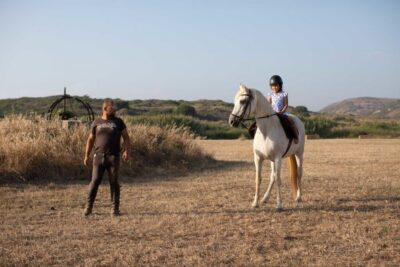
Algarve: 1-Hour Carrapateira Horseback Riding Tour
Read our review →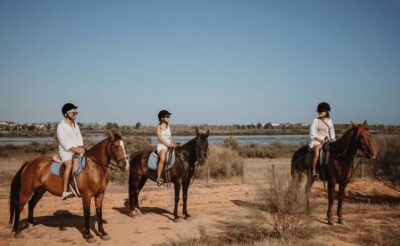
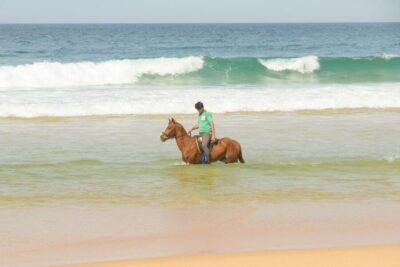
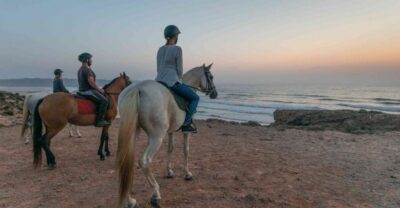
Algarve: Horse Riding Beach Tour at Sunset or Morning
Read our review →

Melides: Horse Riding on the Beach with Wine Tasting
Read our review →
Browse the lists this tour appears in